logo

Best Modular Home Builders in 2026?

Choosing among the best modular home builders in 2026 takes more than comparing glossy floor plans. A home that looks simple on a screen still depends on careful design, factory production, transport, and site preparation. Miss one detail, and the schedule may shift. So can the budget.

Professor Ryan E. Smith, a University of Utah scholar of offsite construction, offers a useful perspective. In paraphrase, his work points to this principle: factory-built delivery depends on coordinating design, manufacturing, and site work—not merely assembling a home indoors. That distinction matters. Modular home builders vary in what they include, how they handle customization, and how clearly they explain costs, warranties, and delivery timelines. A low starting price may not cover foundation work, utility connections, permits, or finishes. Ask for those details in writing.

This guide will compare builders using practical questions: Where are their factories? Which regions do they serve? Can buyers visit completed homes or review specifications? What happens when weather, transport, or site conditions cause delays? These checks cannot guarantee a smooth project. No ranking can replace a careful contract review or a conversation with recent customers. Still, they can help narrow the field and reveal where a builder’s claims need more evidence. Some details may change during 2026, so verify current offerings directly. The right choice is rarely the flashiest one. It is the builder whose process fits your land, budget, and tolerance for uncertainty. And yes, that last part deserves honest thought.

Best Modular Home Builders in 2026?

What Modular Home Building Means in 2026

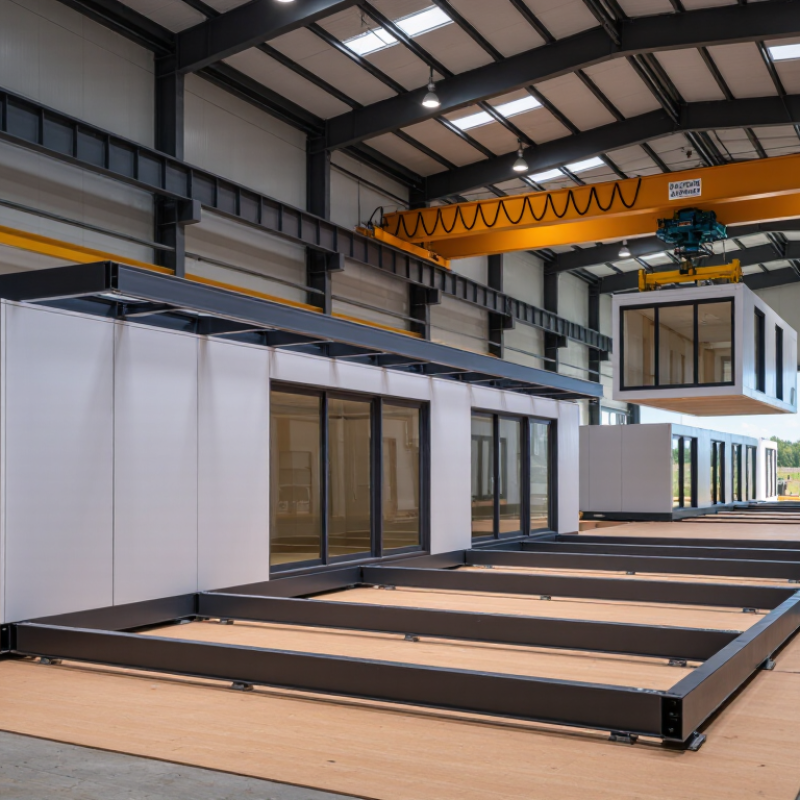
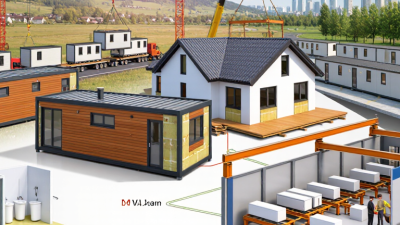
In 2026, modular home building means making substantial parts of a house in a factory, then transporting them to a prepared site for assembly. These parts may be complete rooms or larger structural sections, not just interchangeable wall panels. The foundation, utility connections, permits, and final inspections still depend on the specific property and local requirements.

The process can reduce weather delays, but it does not make every project faster or cheaper. A 2019 McKinsey report, “Modular construction: From projects to products,” estimated that modular methods could shorten construction schedules by 20 to 50 percent and lower costs by up to 20 percent. Those are potential gains, not guarantees. Site access, transport distance, design changes, and coordination can quickly eat into them.

Still, modular is not magic. A narrow road or overhead wires may complicate delivery of a finished section. Before choosing a builder, ask who checks factory quality, handles transport damage, and coordinates the foundation with the home’s dimensions. Request a written schedule that separates factory work from site work. Look closely at the details. A clean factory floor is reassuring, but it cannot tell you how well the finished home will perform through years of local weather.

Best Modular Home Builders in 2026? — What Modular Home Building Means

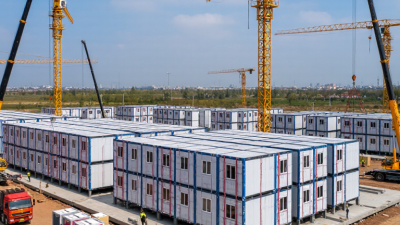
Modular homes are built in sections in a factory, then transported to the site and assembled. For context, the U.S. Census Bureau reported that the average time to complete a single-family home rose from 9.6 months in 2022 to 10.1 months in 2023. These figures cover single-family homes overall—not modular homes specifically—so they provide industry context rather than a modular-versus-site-built comparison.

Source: U.S. Census Bureau, Survey of Construction. Construction time is measured from the start of construction to completion.

How to Evaluate Modular Home Builders

A modular home builder should be evaluated on more than the advertised price. Compare what each quote includes: design changes, delivery, crane placement, foundation work, utility connections, and finish materials. A low factory price can grow once site preparation and transport are added. Details matter.

Ask to visit a completed home or, if possible, a factory floor. Look closely at window seals, cabinet alignment, and how floor sections meet. Request a written schedule and clear explanations of what could cause delays. Check who manages permits, inspections, and coordination with local contractors; responsibilities can otherwise fall between teams. References from owners with similar sites are especially useful.

Read the warranty carefully, including response times and who handles repairs after installation. Ask how changes are priced and documented before signing. Notice whether staff answer specific questions or rely on broad promises. One limitation is that factory quality does not guarantee a smooth build: access roads, weather, and utility conditions still matter. Compare builders using the same plans and site assumptions, then verify important claims in writing.

Builder Strengths, Home Styles, and Service Areas

The best modular builder for 2026 depends less on a glossy floor plan than on what it can deliver locally. Ask whether its standard designs suit your lot, climate, and household: a narrow two-story plan may fit an urban parcel, while a broad ranch needs more frontage. A builder’s strength may be factory precision, design flexibility, or help coordinating site work. Those are different services. Compare them separately.

The Modular Building Institute’s 2024 annual report puts permanent modular construction at roughly 6% of North American construction in 2023. That figure covers more than homes, so it is not a measure of residential builder quality. Still, it shows modular building is a defined, growing construction approach—not a guarantee of faster completion. Request a written schedule that separates factory production, transport, foundation work, and utility connections. Small details matter, like crane access and road width.

Service areas deserve equal scrutiny. Some builders transport modules across several states; others limit delivery to nearby counties. Confirm distance limits, local permitting experience, installation crews, and who handles repairs after handover. Ask to see a completed home in a similar climate, not just showroom photos. I would also compare the included finishes line by line. This part is easy to miss. And no checklist fully predicts how smoothly a specific site will go.

Comparing Costs, Timelines, Customization, and Warranties

Choosing a modular home builder in 2026 means comparing more than the advertised price. Ask for an itemized estimate covering site preparation, transport, foundation, utility connections, permits, and finishes. A low factory price can grow quickly when a sloped lot needs extra grading or a crane. Get local contractors to review the site before signing. Small detail, big difference.

Timelines depend on design approval, factory capacity, weather, and local inspections. A builder may quote months for production, but that does not always include land work or final hookups. Request a written schedule with milestones, responsible parties, and realistic allowances for delays. Customization also varies: some builders offer flexible room layouts, while others limit changes after engineering begins. Moving a bathroom wall may sound simple, yet plumbing and structural plans can make it costly.

Read the warranty carefully. Separate coverage for structural components, appliances, and workmanship may have different terms and claim procedures. Ask who handles repairs after installation, and how quickly urgent issues are addressed. Keep the answers in writing. A polished model home is useful, but it cannot show how a builder responds when a delivery is late or a window leaks. No comparison is perfect; the best choice is the one whose costs, schedule, options, and service terms fit your actual site and budget.

Choosing a Builder for Your Location and Project

Choosing a modular home builder starts with the land, not the floor plan. A sloped lot, narrow access road, or low overhead wires can affect delivery and installation. Ask how the builder evaluates site access, crane placement, foundation needs, drainage, and utility connections. Get those responsibilities in writing; “site work included” can mean different things.

Local conditions matter. In cold or windy areas, ask about insulation, air sealing, snow loads, and moisture control. In warmer regions, discuss shading, ventilation, and cooling needs. Confirm that the proposed design can meet applicable local building requirements, and ask who coordinates reviews with local officials. A builder’s past projects nearby can offer useful evidence, but one successful installation does not guarantee the same result on your property.

Look beyond the model home. Request a detailed schedule, a clear list of exclusions, and examples of how changes are priced. Ask who will handle transport, assembly, inspections, and repairs after move-in. Small details count: where rainwater drains, how entry steps meet the finished grade, and whether a delivery truck can turn around. A plan may look perfect on screen and still feel cramped in person. I would not assume every modular project is faster; weather, site preparation, and delayed decisions can change the timeline. Get realistic answers before choosing.