| Construction Schedule |
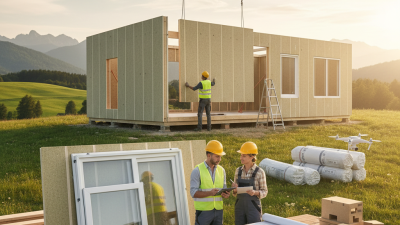
Building modules in a factory allows manufacturing to proceed while foundations, utilities, and access works are prepared on site. |
Parallel activities can shorten the overall project sequence compared with completing every task consecutively on site. |
The final schedule still depends on design approvals, production capacity, shipping, customs clearance, and site readiness. |
| Quality Control |
Factory production uses repeatable workstations, documented procedures, and inspections in a controlled environment. |
Consistent processes can help reduce workmanship variation across multiple homes or project locations. |
Quality documentation and inspections should be aligned with the destination country's building requirements. |
| Weather Exposure |
Most module assembly occurs indoors, reducing exposure to rain, snow, wind, and extreme site conditions during production. |
Weather-related interruptions at the construction site may be reduced, which is useful in seasonal or difficult climates. |
Transport, lifting, foundation work, and external connections remain affected by local weather. |
| Material Efficiency |
Factory cutting and standardized material handling can improve planning and reduce avoidable off-cuts compared with uncontrolled site work. |
More predictable material use can support cost planning and waste-management targets across projects. |
Actual waste performance varies with design complexity, material selection, production methods, and local recycling infrastructure. |
| Labor Availability |
A larger share of skilled work is concentrated in the manufacturing facility, reducing dependence on a full trade workforce at every remote site. |
This can help address shortages of specialized labor in isolated, fast-growing, or overseas markets. |
Local teams are still needed for foundations, installation, utilities, commissioning, and maintenance. |
| Scalability |
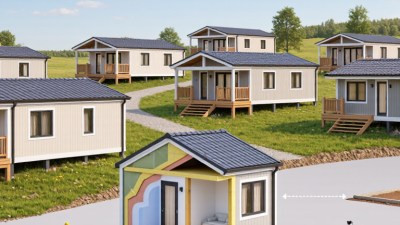
Repeatable module designs can be adapted for housing programs, workforce accommodation, student housing, and hospitality projects. |
Standardized components make it easier to replicate an approved design across multiple locations. |
Design repetition should not override local requirements for climate, culture, accessibility, and planning regulations. |
| Transport and Logistics |
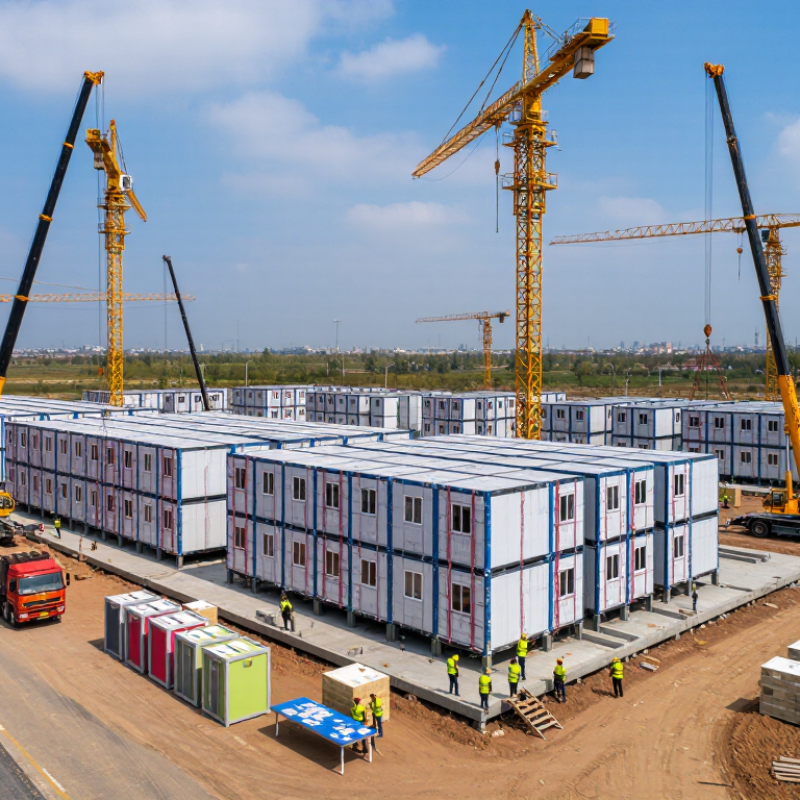
Completed or partially completed modules can be delivered to the site and installed using planned lifting and connection procedures. |
Fewer separate construction activities may be required at the destination site, particularly where local access is limited. |
Route surveys, module dimensions, road limits, port access, lifting equipment, packaging, and import rules must be reviewed early. |
| Code and Standards Compliance |
Modular buildings can be designed and manufactured to meet the applicable building, structural, fire, energy, and electrical requirements. |
Early compliance planning can reduce redesign risk when a project crosses national or regional regulatory boundaries. |
A building approved in one jurisdiction is not automatically approved in another; local review and certification may be required. |
| Climate Resilience |
The design can incorporate region-specific insulation, ventilation, moisture control, structural loading, and corrosion protection. |
A repeatable design process can support adaptation to hot, cold, humid, coastal, seismic, or high-wind environments. |
Climate performance must be engineered for the actual site rather than assumed from the manufacturing location. |
| Cost Predictability |
A defined manufacturing scope and repeatable production process can improve cost estimating before construction begins. |
Better cost visibility supports budgeting for multi-country development programs and phased expansion. |
Total cost must include design, permits, foundations, transport, duties, cranes, local labor, connections, and after-sales service. |
| Site Disruption |
A shorter period of intensive on-site assembly can limit noise, traffic, dust, and disturbance to neighboring properties. |
This is valuable for urban infill, occupied campuses, protected areas, and projects near active infrastructure. |
Temporary access, crane operations, utility shutdowns, and final landscaping still require a detailed site-management plan. |