logo

How to Buy Modular Homes for International Projects?

Buying modular homes for an international project is not simply a factory-shopping exercise. It is a coordinated decision involving design, certification, logistics, site conditions, finance, and long-term maintenance. A home built efficiently in one country may require costly changes elsewhere. Climate matters. So do local building codes, fire standards, accessibility rules, and seismic requirements.

Market evidence supports careful planning. Grand View Research estimated the global modular construction market at approximately USD 91.9 billion in 2023, with continued growth expected through 2030. McKinsey & Company also reported that modular construction could create more than USD 100 billion in annual value across selected real-estate segments. These figures show strong commercial potential, but they do not guarantee savings for every buyer. The numbers are broad. Your project may perform differently.

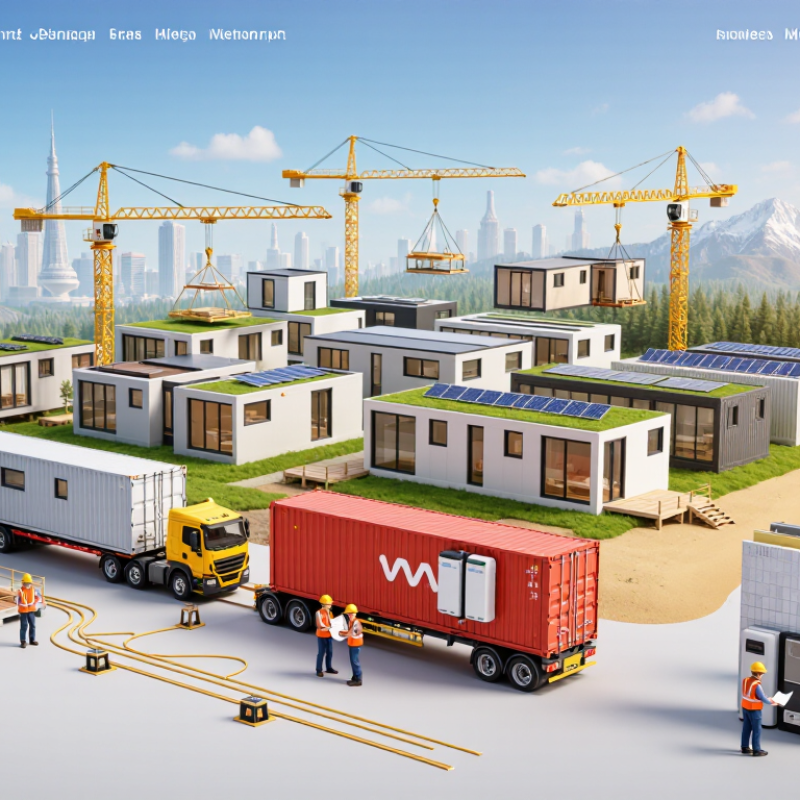
A reliable purchasing process begins with a verified supplier and a clear technical brief. Request factory quality records, material specifications, warranty terms, production photographs, and references from comparable international projects. Check how containers, cranes, foundations, utility connections, and local inspections will be managed. A beautiful showroom unit is not enough. Ask for tested wall assemblies, moisture-control details, and documented energy performance.

The International Energy Agency states that buildings remain responsible for a significant share of global energy demand and emissions. Therefore, insulation, airtightness, glazing, and heating systems deserve serious attention. Yet energy efficiency can be misunderstood. A highly insulated module may still fail if installation is careless or ventilation is inadequate. Buyers should compare complete lifecycle costs, not only the factory price. Modular homes can accelerate delivery, but disciplined due diligence remains essential. That part is easy to underestimate.

How to Buy Modular Homes for International Projects?

Define Project Requirements and Local Building Conditions

Buying modular homes for an international project starts with defining the intended use. Will the units serve as residences, classrooms, clinics, or temporary offices? Record occupancy, room sizes, accessibility needs, service life, and the target budget. Do not rely on a translated floor plan alone. Local building conditions can change the design before manufacturing begins. Short sentence.

Ask a qualified local architect or engineer to verify soil bearing capacity, seismic exposure, wind speed, snow load, flood risk, and fire separation rules. Check whether the site has reliable water, drainage, electricity, and road access for oversized transport. A narrow bridge or weak road may require smaller modules. Measure the crane setup area too. Elevation matters. A humid coastal site may need different corrosion protection and ventilation than a dry inland site. These details should become written performance requirements, not informal emails.

Create a compliance matrix showing each requirement, responsible reviewer, evidence, and approval stage. Confirm foundation tolerances, connection details, insulation values, emergency exits, and local inspection procedures. Procurement teams sometimes focus on factory price and underestimate permits, port handling, storage, and site labor. That is an expensive blind spot. Revise the brief after a site visit. Plans are rarely perfect. Leave room for local feedback, weather delays, and small changes that protect safety and long-term maintenance.

Compare Modular Home Types, Suppliers, and Construction Standards

How to Buy Modular Homes for International Projects?

Choosing a modular home type depends on climate, transport access, site conditions, and local labor. Volumetric modules arrive as finished rooms, reducing on-site work. Panelized systems offer easier shipping and more flexible layouts. Hybrid designs combine both approaches, but coordination becomes harder. A small coastal project may need corrosion-resistant materials and stronger wind connections. A remote mountain site may favor compact panels and simple assembly. The cheapest option is rarely the fastest one.

When comparing suppliers, request factory quality records, completed-project references, production schedules, and clear warranty terms. Ask who manages engineering changes after contracts are signed. Reliable suppliers provide drawings, material specifications, inspection reports, and packing lists. They should also explain customs documents and replacement-part procedures. Visit a production facility if possible. Photos can hide poor storage practices. One weakness in my own evaluation would be trusting polished samples too quickly.

Construction standards require careful local review. Confirm structural design for wind, snow, earthquakes, and foundation movement. Check fire resistance, insulation values, moisture control, electrical systems, plumbing, and accessibility rules. International projects may need both factory certification and approval from local authorities. An independent engineer can compare the supplier’s system with the building code at the destination. Do not treat compliance paperwork as a formality. A missing calculation can delay installation for weeks. Allow time for redesign; early assumptions are often wrong.

Verify International Certifications, Contracts, and Supplier Reliability

How to Buy Modular Homes for International Projects?

Buying modular homes for an international project requires more than comparing floor plans and prices. Verify certifications for the destination country, not only the factory’s home market. Check structural, fire-safety, electrical, insulation, and energy documents. Each certificate should show an issuing authority, test date, product scope, and matching model number. Ask whether the documents cover the exact wall panels, windows, and roofing system being supplied.

Contracts need equal attention. Define approved drawings, material grades, tolerances, delivery dates, inspection rights, payment milestones, and responsibility for customs clearance. Include procedures for damaged components and delayed shipments. Clarify which party handles local permits and site connections. A vague contract can turn a small design change into an expensive dispute. No checklist is perfect. However, written evidence reduces avoidable surprises.

Tips: Request a recent factory audit, sample inspection report, and three verifiable project references. Speak with previous clients about packaging, communication, defect handling, and after-sales support. Review the supplier’s production capacity before accepting a tight schedule. Visit the facility if possible, or use an independent inspector for welding, moisture protection, dimensions, and loading methods. Do not rely on polished photographs. A clean showroom proves little. Compare the supplier’s promised specifications with the final contract, because small mismatches often appear during procurement.

International Modular Home Procurement Verification Framework

Recommended verification checkpoints for international projects, covering certifications, contracts, supplier reliability, logistics, and local compliance.

The chart shows the number of practical checks included in an illustrative procurement checklist. Certification checks may include applicable quality, environmental, structural, and product-compliance documentation; contract checks include scope, delivery terms, payment milestones, warranties, and dispute procedures. These figures are checklist quantities, not supplier performance statistics.

Plan Budget, Financing, Shipping, Customs, and On-Site Assembly

How to Buy Modular Homes for International Projects?

Buying modular homes internationally requires more than comparing factory prices. Build a complete budget covering design, engineering, permits, inland transport, ocean freight, customs duties, insurance, foundations, utilities, and assembly. Ask a qualified local engineer to verify wind, snow, seismic, fire, and energy requirements. A house approved in one country may fail inspection elsewhere. My early estimates were too optimistic. Exchange-rate changes and port storage fees quickly increased the final cost.

Tips: Request a detailed quotation with clear delivery terms. Confirm what the price excludes. Compare financing options carefully, including interest, currency risk, deposit schedules, and payment protection. Keep a contingency fund of at least 10% for uncertain site conditions and regulation changes. Do not rely on verbal promises.

Before shipping, prepare commercial invoices, packing lists, certificates of origin, product specifications, and any required import approvals. Check whether timber, insulation, electrical systems, and plumbing components need special documentation. A customs broker can reduce delays, but the buyer remains responsible for accurate information. Confirm container dimensions and lifting access at the site. Narrow roads, weak bridges, or limited cranes can change the installation plan. Schedule a local supervisor and trained assembly crew, with safety procedures agreed in writing. Some projects need extra weatherproofing after installation. That detail is easy to miss. Payments should follow verified milestones, such as production completion, factory inspection, shipping, and successful assembly. Keep every drawing and inspection record. Mistakes still happen. Good records make them manageable.

How to Buy Modular Homes for International Projects? - Plan Budget, Financing, Shipping, Customs, and On-Site Assembly

International Modular Home Project Planning Benchmarks
Planning Area Cost or Data Dimension Typical Planning Figure Unit / Basis Practical Notes
Project Scope Reference project size 50–200 m² per home Confirm whether the quoted area is gross floor area or usable internal area.
Factory Price Basic modular building package US$900–US$1,800 per m² Usually covers the factory-built structure and standard finishes; foundations, land, taxes, and utility connections may be excluded.
Design and Engineering Adaptation to local codes and site conditions 5%–12% of factory package value Allow for structural calculations, architectural drawings, energy compliance, and permit documentation.
Site Preparation Groundwork and foundation allowance 10%–20% of total construction cost Actual cost depends on soil, slope, drainage, seismic requirements, and foundation type.
International Freight Ocean shipping and export handling 5%–15% of factory package value Use a confirmed quotation based on origin port, destination port, cargo volume, season, and Incoterms.
Cargo Configuration Standard container internal dimensions 12.03 × 2.35 × 2.39 m for a typical 40-foot high-cube container Oversized modules may require flat-rack, open-top, or breakbulk shipping instead of standard containers.
Container Payload Typical maximum cargo weight Approximately 26–28 metric tonnes, subject to container rating The lower limit may be imposed by road regulations, lifting equipment, or the transport route.
Transit Time Port-to-port ocean transit 20–45 calendar days This excludes factory production, port waiting time, customs clearance, inland delivery, and possible transshipment.
Cargo Insurance Marine cargo coverage About 0.3%–1.0% of insured cargo value Check exclusions for moisture, delay, improper packing, loading damage, and installation-related loss.
Customs Classification Harmonized System code Destination-specific per product and country Panels, steel frames, complete buildings, sanitary items, and electrical equipment may use different classifications.
Import Duty Customs tariff allowance 0%–20%+ of customs value, depending on classification The exact rate depends on the importing country, origin rules, trade agreements, and declared product composition.
VAT or GST Import consumption tax Destination-country rate often applied to customs value plus duty and freight Confirm whether the buyer can recover the tax and whether local registration is required.
Customs Clearance Brokerage, documentation, and port fees US$500–US$3,000+ per shipment, excluding duties and taxes Budget additional storage, inspection, demurrage, examination, and terminal handling charges.
Financing Structure Common staged payment schedule 20% / 40% / 30% / 10% deposit / production / pre-shipment / acceptance Use milestone payments linked to approved drawings, factory inspection, shipping documents, and site acceptance.
Payment Security Documentary and contractual controls Inspection plus retention of 5%–10% of contract value Consider third-party inspection, performance security, warranty terms, and clearly defined acceptance criteria.
On-Site Assembly Installation duration 2–6 weeks for a small or medium project The schedule depends on module count, foundation readiness, weather, crane access, and local labor availability.
Installation Team Typical site labor requirement 4–8 workers plus crane crew per active installation team Verify local licensing, safety training, temporary accommodation, travel, and supervision requirements.
Heavy Lifting Mobile crane and lifting logistics US$5,000–US$25,000+ per project, depending on capacity and location A lift plan must consider module weight, radius, ground bearing capacity, power lines, road access, and wind limits.
Utility Connections Water, wastewater, electricity, and communications 5%–15% of overall project budget Remote sites may require wells, septic systems, generators, batteries, or independent water treatment.
Contingency Allowance for unknown project risks 10%–15% of total project budget Keep this reserve for exchange-rate movement, design changes, delays, local code upgrades, and site conditions.
Total Delivery Timeline Design-to-handover duration 5–10 months typical small-to-medium international project Include design approval, permits, production, inspection, shipping, customs, foundation work, assembly, and commissioning.

Planning note: The figures above are indicative international-project benchmarks in U.S. dollars. Actual costs vary by destination, building specification, origin, exchange rate, local regulations, transport route, site conditions, and applicable taxes. Obtain current written quotations and confirm customs treatment before signing a contract.

Inspect, Approve, and Maintain the Completed Modular Homes

Buying modular homes for international projects does not end when the modules reach the site. The completed home needs a careful inspection under local conditions. Check the foundations, connection points, roof seals, windows, doors, and drainage. Measure floor levels near joints. Small gaps can allow water to enter during heavy rain. Test electrical systems, plumbing pressure, ventilation, and emergency lighting before occupancy.

Approval should include clear records, not only a signed handover form. Compare the installed home with approved drawings, material certificates, inspection reports, and local building requirements. An independent professional can verify fire separation, insulation, structural connections, and accessibility. Take dated photographs of concealed services before closing walls. This evidence helps resolve disputes between the factory, contractor, and project owner. Local officials may request translated documents, so prepare them early. Delays are expensive.

Maintenance planning starts during acceptance. Record serial numbers, sealant types, filter sizes, and recommended inspection intervals. Keep spare roof membranes, door hardware, and plumbing fittings in a dry storage room. Inspect external joints after the first severe storm, then at least twice each year. Clean ventilation filters every few months in dusty regions. A checklist is useful, but it is not perfect. It may miss unusual settlement or occupant damage. Trained staff should walk through the building, listen for pumps, smell for dampness, and report changes immediately. A modest defect is easier to repair before it affects several connected modules.