2026 Best Prefab Houses for Global Buyers to Consider?
Prefab houses have gained immense popularity among global buyers. As construction methods evolve, these homes offer innovative designs and efficient builds. The advantages are significant. They often boast lower costs and reduced construction timelines. Moreover, prefab houses are increasingly sustainable, incorporating eco-friendly materials and energy-efficient systems.
In 2026, potential buyers face a vibrant market. Numerous styles suit diverse preferences and needs. Some options appeal to minimalists, while others provide ample space for families. However, buyers must consider local regulations and transport logistics. Not all regions accommodate prefab construction smoothly.
Choosing the right prefab house can be daunting but rewarding. Each option presents unique challenges. Buyers should weigh their desires against practical constraints. Ultimately, the decision must reflect both personal taste and practical sensibilities.
Overview of Prefab Houses and Their Growing Popularity Worldwide
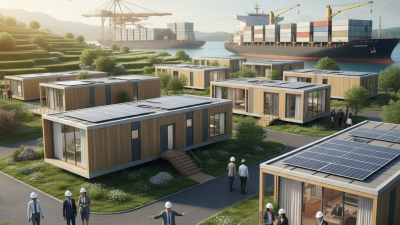
Prefab houses are becoming increasingly popular around the globe. Their flexible designs and quick assembly appeal to many buyers. These homes are built off-site and transported to their final location. This method often reduces construction time and labor costs. More people are discovering the benefits of prefab homes, especially in urban areas where space is limited.
Climate change concerns also influence this trend. Many prefab houses are designed with energy efficiency in mind. They often utilize sustainable materials and practices. These factors make them attractive options for eco-conscious consumers. However, potential buyers should consider local building regulations and site-specific challenges. Not every location is suitable for prefab construction, which can lead to complications.
While prefab homes offer many advantages, they are not a one-size-fits-all solution. Customization options can be limited, leading to potential dissatisfaction. Buyers must weigh the benefits against these constraints. Understanding the local market and seeking expert advice can help in making an informed decision. As the industry progresses, ongoing innovation may enhance the appeal of prefab living.
Key Features to Look for in 2026 Prefab Houses
As we approach 2026, the demand for prefab houses continues to grow. Buyers should focus on essential features when selecting a prefab home. Sustainability is a significant concern. Look for energy-efficient designs and eco-friendly materials. This not only reduces environmental impact but also cuts long-term costs.
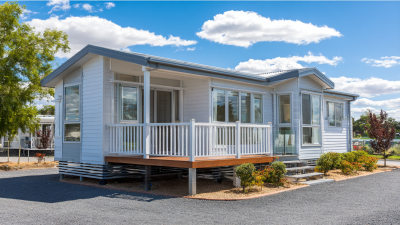
Another critical aspect is layout flexibility. Many buyers prefer customizable floor plans. An adaptable interior can accommodate changing lifestyles. Spacious designs with plenty of natural light are particularly appealing. Big windows and open spaces enhance the feeling of comfort.
Quality of construction should not be overlooked. Check for reliable building practices and strong materials. Some homes may promise quick assembly but deliver low durability. Inspecting warranties and reviews can help gauge long-term performance. This careful consideration can protect your investment. In the evolving prefab market, attention to these details will lead you to the best choices.
2026 Best Prefab Houses: Key Features Analysis
Top Prefab House Manufacturers for Global Buyers
The demand for prefabricated houses has surged globally, driven by rising housing costs and sustainability concerns. According to a recent report from Allied Market Research, the prefabricated housing market is expected to reach $195 billion by 2027, growing at a compound annual growth rate of 6.7%. This indicates a significant shift in how we approach residential construction.
It's essential to consider the top manufacturers in the prefab sector. These companies often emphasize eco-friendly materials and efficient building practices. Eco-conscious buyers increasingly favor firms that utilize recycled materials and energy-efficient technologies. However, quality varies greatly among manufacturers. Potential buyers should conduct thorough research to avoid subpar options that could lead to long-term issues.
The industry also faces some challenges. Sourcing skilled labor can be difficult in certain regions. This may lead to delays in production and installation, impacting the overall experience. Buyers should be aware of these potential drawbacks when exploring prefab home options. Taking the time to vet manufacturers can prevent future headaches and ensure a satisfying investment in your home.
Sustainability and Energy Efficiency in Modern Prefab Designs
In recent years, the demand for prefab houses has surged, driven by a focus on sustainability. Modern designs often utilize eco-friendly materials and innovative construction methods. According to a 2022 report by the World Green Building Council, the construction industry accounts for 39% of global carbon emissions. This statistic highlights the pressing need for greener building solutions.
Energy efficiency is another critical factor in prefab houses. A study by the U.S. Department of Energy revealed that energy-efficient homes can reduce energy costs by up to 30%. Prefab designs commonly incorporate superior insulation, energy-efficient windows, and advanced HVAC systems. These elements significantly lower a home's environmental impact and enhance comfort.
However, challenges remain. Not all prefab manufacturers prioritize sustainability in their practices. It's essential for buyers to research and ensure that environmental standards are upheld. Additionally, some prefab structures may lack customization options. Balancing sustainability with personal preferences can be a complex task.
Financing Options and Considerations for Prefab Home Buyers
Financing a prefab home can be quite challenging yet rewarding. For many buyers, understanding the financial landscape is crucial. Traditional mortgages may not always cover prefab homes, leading to alternative financing options. Buyers may explore personal loans or specialized lenders that accommodate these structures. However, it’s essential to research interest rates and terms carefully. Not all lenders are equal; some may offer better terms than others.
Another factor to consider is the cost of land. Many buyers forget to factor in expenses beyond the home itself. Site preparation, utility connections, and permits can add thousands. It’s easy to underestimate these costs, leading to financial strain later on. Building a budget should include all aspects of the purchase and eventual living expenses.
Also, buyers should assess their long-term needs. Will the home still meet your needs in five or ten years? Prefab homes can be flexible, but not all units allow for easy expansion or modifications. Reflection on future plans is essential when investing. Taking the time to consider both immediate and future financial implications can lead to more satisfying homeownership.
2026 Best Prefab Houses for Global Buyers to Consider