logo

What is a Modular Home and Why Choose One?

Modular homes are gaining popularity for various reasons. These structures offer unique advantages over traditional housing. They're built in a factory and assembled on-site, allowing for faster construction and less waste. This efficiency can save both time and money, making modular homes an attractive option for many.

Another benefit is the design flexibility they provide. Homebuyers can customize layouts and finishes to suit their preferences. This aspect makes modular homes stand out in the residential market. However, some might question the long-term durability compared to conventional homes. Addressing concerns about quality and longevity is crucial for potential buyers.

Choosing a modular home may come with challenges. Buyers should do thorough research and consider their specific needs. While many find the advantages compelling, others might hesitate due to stigma or misconceptions. Understanding the real value of modular homes can lead to informed decisions. Embracing these modern living solutions could be beneficial for future homeowners.

What is a Modular Home and Why Choose One?

Definition of Modular Homes and Their Key Features

Modular homes are prefabricated structures built in sections or modules. These modules are created in a factory environment and then transported to the building site for assembly. This method allows for higher quality control and faster construction times. Homeowners can customize designs, sizes, and layouts to fit their needs. Many modular homes look just like traditional homes, providing similar aesthetic appeal.

Key features of modular homes include energy efficiency and durability. The construction process often involves using sustainable building materials. This can lead to lower utility bills for residents. Additionally, modular homes are built to withstand various environmental challenges. Many meet or exceed local building codes. This fact can enhance their market value and longevity.

However, there can be challenges with modular homes. Some people may perceive them as less traditional. Others may have concerns about the resale value. It’s important to research local regulations and market trends. Prospective buyers should consider personal preferences along with practical aspects. Exploring these factors can lead to more informed decisions about modular living.

The Construction Process of Modular Homes Explained

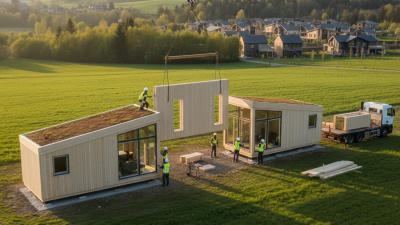
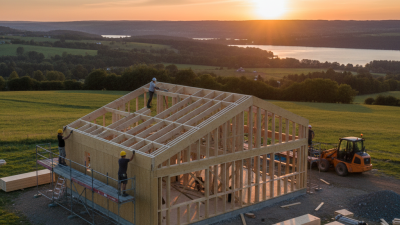
The construction process of modular homes is both innovative and efficient. Modular homes are built in sections, or "modules," in a factory setting. This method allows for precise control over construction quality. Each module is then transported to the home site and assembled. It's a fascinating blend of factory efficiency and traditional building.

Off-site construction reduces delays caused by weather and other site conditions. Workers in the factory can focus on specific tasks, leading to higher craftsmanship. However, this method can also present challenges. Ensuring all modules fit perfectly during assembly requires careful planning. Miscommunication or design flaws can lead to complications.

Another aspect to consider is transportation. Moving large modules to the site can be tricky. Roads must accommodate the size of the modules, and permits may be necessary. While this might complicate logistics, modular homes often exceed traditional builds in energy efficiency. That said, not every design suits the modular approach. Finding the right balance between aesthetics and functionality is crucial for success in this building method.

Advantages of Choosing Modular Homes Over Traditional Homes

Modular homes are pre-fabricated structures built in sections off-site. These homes offer a unique alternative to traditional housing. One significant advantage is speed. Modular homes can be constructed in a fraction of the time it takes to build a traditional home. This can save families not only time but also money.

Another key benefit is cost efficiency. Building modular units typically involves fewer labor costs. Materials are often purchased in bulk to lower expenses. Furthermore, they often come with energy-efficient features, reducing utility bills. Buyers can find tailored designs that meet their specific needs, while still maintaining budget flexibility.

However, some may have concerns about their sturdiness. It is true that the perception of quality might lag behind traditional homes. Regrettably, not all modular homes are created equal. Researching builders and their reputations is crucial. Some modular units may face zoning issues, creating challenges for potential owners. An informed decision is vital here.

Common Misconceptions About Modular Homes

Modular homes often face misconceptions that can deter potential buyers. One common myth is that they are of lower quality than traditional homes. In reality, modular homes are built in controlled environments, ensuring high standards. The materials used can be just as durable as those in site-built homes.

Another myth is that modular homes lack customization options. Many believe that these homes come in fixed designs. However, builders offer a range of layouts and finishes. This flexibility allows homeowners to reflect their personal style.

Many fear that modular homes decrease in value over time. This is simply not true. Properly maintained modular homes can appreciate just like conventional homes. These misconceptions can overshadow the benefits of modular living. Understanding the facts is crucial for making informed decisions.

Factors to Consider When Buying a Modular Home

When considering a modular home, several factors come into play. Location is key. Understand the zoning laws and land preparation costs. Some areas have strict regulations that can impact your build timeline. Research your chosen area to avoid surprises during construction.

Budgeting is another crucial element. Modular homes often present savings compared to traditional builds. However, hidden costs can arise. From utility connections to landscaping, these can add up quickly. Be prepared for potential overruns and adjust your budget accordingly.

**Tips:** Always conduct thorough inspections before purchase. Ensure that the quality meets your expectations. Additionally, consult with local builders to get realistic quotes. Listen to past homeowners' experiences. They can provide insights about the construction process and any challenges faced. A modular home can be a wise investment if approached carefully. Make informed choices that align with your lifestyle and financial situation.