logo

What is a modern modular home and why is it popular?

Modern modular homes are reshaping the housing landscape. According to Mark Torres, a leading expert in modular construction, “These homes provide innovative solutions for today’s lifestyle.” The rising popularity of modern modular homes can be attributed to their efficient design and sustainability.

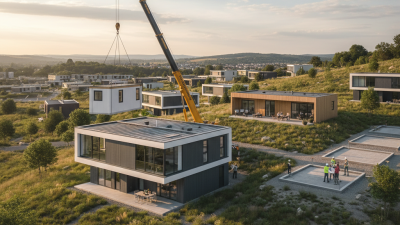
With technology advancing, modern modular homes offer a contemporary aesthetic. They are constructed off-site and then assembled on location, allowing for faster build times. Individuals appreciate the flexibility in customizing designs to fit their unique needs. However, some may question the perceived quality compared to traditional homes.

Community acceptance presents another challenge. These homes can sometimes face skepticism from neighborhoods unaccustomed to modular designs. Yet, as more people experience their benefits, the stigma may fade. In the end, modern modular homes represent a blend of modernity and practicality, making them a viable housing option for many.

What is a modern modular home and why is it popular?

Definition of Modern Modular Homes: Key Characteristics and Features

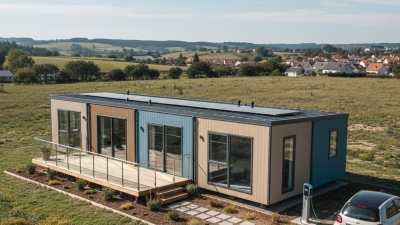
Modern modular homes are prefabricated structures manufactured in sections. These sections are assembled on-site, allowing for faster construction times compared to traditional homes. One key characteristic is the ability to customize designs. Homebuyers can choose layouts, materials, and finishes, ensuring their homes reflect personal tastes. This customization not only enhances aesthetic appeal but also functional space.

Sustainability plays a vital role in the popularity of modern modular homes. They often utilize eco-friendly building materials and energy-efficient systems. Many designs include solar panels or energy-efficient appliances, reducing long-term utility costs. However, some potential homeowners may find that the upfront costs can be higher than traditional homes. This requires careful budgeting and planning.

The flexibility of modular homes is noteworthy. They can adapt to various environments, from urban settings to rural landscapes. Yet, zoning laws in some areas may limit installation options. Additionally, manufacturers must meet local building codes, which can complicate the process. These challenges highlight the importance of thorough research before purchasing a modular home.

Historical Development of Modular Homes: Evolution to Modern Designs

Modular homes have undergone a significant transformation since their inception in the early 20th century. The concept started with basic prefabricated structures during post-war periods. These early designs were focused on affordability and quick assembly. However, they often lacked aesthetic appeal and did not prioritize energy efficiency. Over the decades, as technology advanced, so did the design and functionality of modular homes. Today, they encompass sleek lines, innovative materials, and customizable layouts.

Sustainability has become a hallmark of modern modular homes. Builders now incorporate energy-efficient systems and eco-friendly materials. However, many consumers remain unaware of potential drawbacks. Some modular homes may face challenges in resale value. Location also influences acceptance; urban areas often have zoning restrictions that hinder modular construction. This evolution reflects a broader societal shift toward sustainable living. Yet, the modular home market continues to grapple with misperceptions about quality and permanence. Exploring these complexities reveals a rich narrative of resilience and innovation in housing.

What is a modern modular home and why is it popular? - Historical Development of Modular Homes: Evolution to Modern Designs

Dimension Description
Definition A modern modular home is pre-fabricated housing that is built off-site in sections or modules, then moved and assembled on a foundation.
Construction Time Typically completed in a few months, significantly faster than traditional homes which can take longer due to weather and other delays.
Cost Efficiency Generally more affordable due to lower labor costs and fewer delays compared to traditional construction methods.
Sustainability Often constructed with eco-friendly materials and practices, resulting in lower energy consumption and a smaller carbon footprint.
Design Flexibility Modern modular homes come in various styles and layouts, allowing customization according to individual preferences and needs.
Historical Development Modular homes have evolved from early prefabricated designs dating back to the 19th century to advanced contemporary models incorporating modern architecture and technology.

Sustainability in Modular Homes: Energy Efficiency and Eco-Friendly Trends

Modern modular homes are gaining traction for their sustainability features. These homes often utilize energy-efficient technologies that significantly reduce carbon footprints. According to a report by the U.S. Department of Energy, modular homes utilize up to 20% less energy compared to traditional constructions. This efficiency not only helps in lowering utility bills but also plays a part in environmental conservation.

Materials play a crucial role in shaping modular homes. Many builders are choosing eco-friendly materials such as bamboo, recycled steel, and low-VOC paints. Using these materials minimizes harm to the environment and promotes healthier living spaces. The National Association of Home Builders reports that homes built with sustainable materials can have better indoor air quality, benefiting residents’ health.

**Tips:** When considering a modular home, research energy-efficient designs. Look for homes that use renewable energy sources. Also, consider small changes in your living space, like installing energy-efficient appliances. Every little step contributes to a bigger impact on sustainability. Embrace the possibility of imperfections in the process, as each home offers a unique opportunity for reflection and growth.

Market Trends: Increasing Popularity and Affordability Factors in Modular Housing

Modern modular homes are increasingly popular due to various market trends. Many buyers are drawn to their affordability. Compared to traditional homes, modular houses often cost less to construct. This can be a crucial factor for first-time homeowners. The construction process is typically quicker, which also reduces overall expenses.

More people are recognizing the environmental benefits of modular housing. These homes can be built with sustainable materials. They are often more energy-efficient, resulting in lower utility bills. Additionally, the factory settings reduce waste during construction. This appeals to environmentally conscious buyers.

However, not everything is perfect in modular housing. Some potential buyers have concerns about design limitations. Standardized layouts can restrict customization, leaving some feeling dissatisfied. Additionally, not all modular homes are equal in quality. It's essential to research builders thoroughly before making a commitment. This reflection is vital to ensure long-term satisfaction.

Demographics of Modular Home Buyers: Who is Choosing Modern Modular Homes?

In recent years, modern modular homes have gained traction among diverse demographic groups. According to a report from the National Association of Home Builders, about 25% of today’s modular home buyers are millennials. This generation values affordability and sustainability, making modular homes an attractive option. They often seek homes that blend smart technology with eco-friendly materials.

Another interesting trend is the rising interest from retirees. A study by the American Institute of Architects reveals that nearly 35% of new modular homes are purchased by individuals aged 55 and over. These buyers appreciate the low maintenance and customizable aspects of modular construction. Many prefer smaller, efficient spaces that promote a simpler lifestyle.

While modular homes are appealing, challenges persist. Some potential buyers express concerns about resale value and investment risks. Others question the quality of materials used. The experience of living in a modular home often prompts these buyers to reflect on their needs. Balancing cost-efficiency and quality remains a crucial conversation in this growing sector.