logo

Why Choose Pre Made Homes for Your Next Purchase?

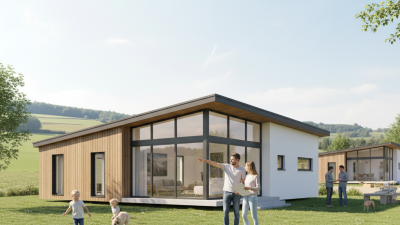
In today’s fast-paced world, many homebuyers are exploring alternatives to traditional housing. A growing number are turning to pre made homes for their next purchase. These homes offer convenience, affordability, and customization options.

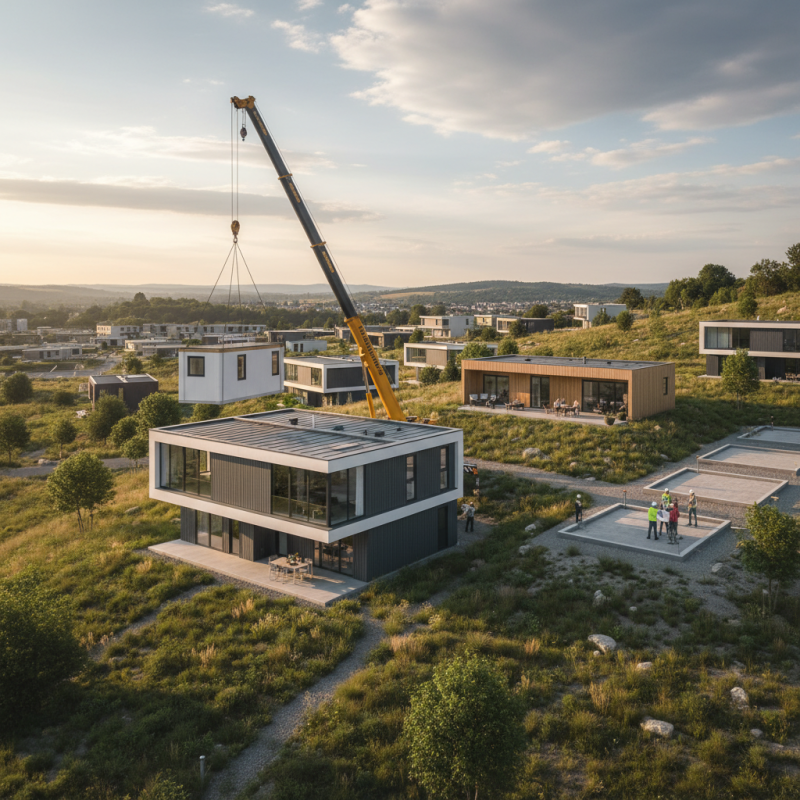
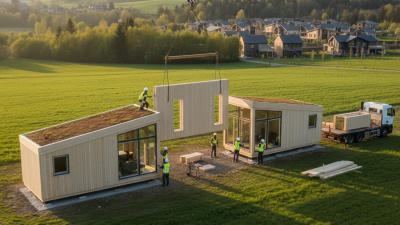
Pre made homes are constructed off-site, minimizing the time spent on-site. This efficiency can lead to lower labor costs, which are often passed on to the buyer. Furthermore, they are built with industry standards in mind. This means you can trust their durability and quality.

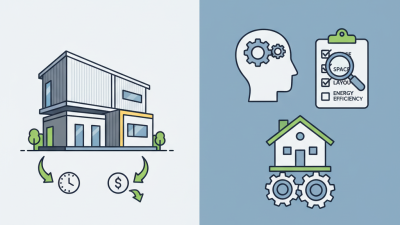
However, potential buyers should reflect on their unique needs. Not all pre made homes are the same. Some may not offer the personal touches or space you desire. It’s essential to conduct thorough research and consult professionals in the field. This way, you ensure that your new home aligns perfectly with your lifestyle and expectations.

Why Choose Pre Made Homes for Your Next Purchase?

Benefits of Pre Made Homes: An Overview of Cost-Effectiveness

Why Choose Pre Made Homes for Your Next Purchase?

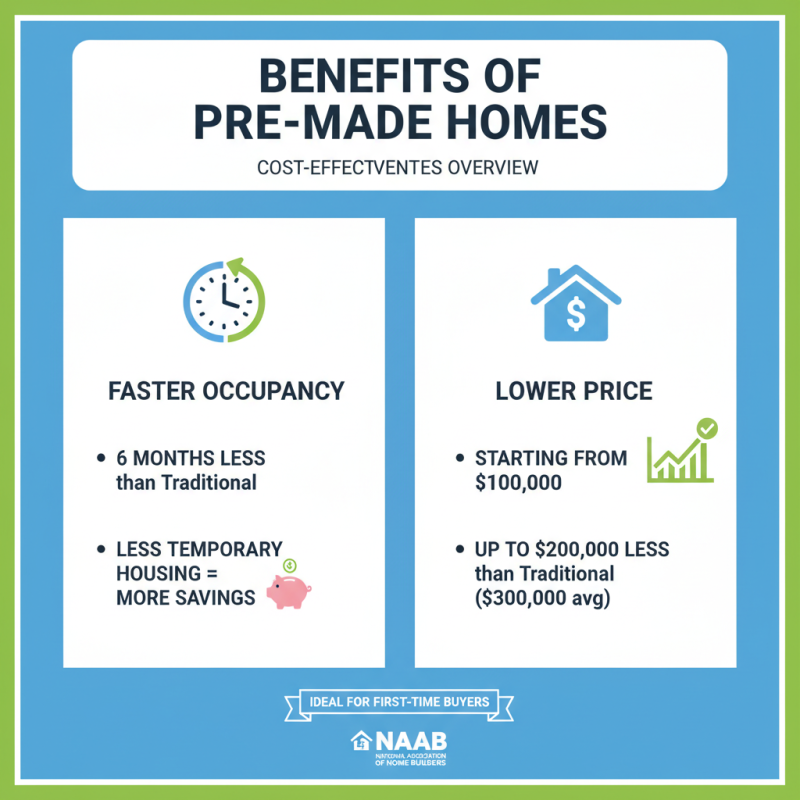
Pre-made homes offer significant advantages for potential buyers looking for cost-effectiveness. According to the National Association of Home Builders, constructing a traditional home can take up to six months longer than purchasing a pre-made one. This means less time spent in temporary housing and more savings on living expenses. In addition, pre-made homes typically come at a lower price. The average cost for a traditional home is around $300,000, while pre-made homes can start as low as $100,000, making them appealing for first-time buyers.

Another compelling factor is the energy efficiency of pre-made homes. A report from the U.S. Department of Energy reveals that modern prefabricated homes can be up to 70% more energy-efficient compared to older models. This efficiency translates into lower utility bills—a benefit that can provide long-term financial savings. However, some buyers may find the resale value of pre-made homes to be lower than traditional homes, which is something to consider.

Overall, pre-made homes blend affordability with modern amenities. Yet, challenges exist, such as zoning regulations and site limitations. These factors can complicate the process. Nonetheless, the cost-effectiveness and energy savings make them an invaluable option for many.

Industry Statistics: Lower Construction Times Compared to Traditional Homes

The construction industry is evolving rapidly. Pre-made homes, also known as modular homes, showcase impressive statistics. They can dramatically reduce construction times compared to traditional homes. A notable fact is that pre-made homes can be built in as little as a few weeks. In contrast, traditional homes often take months, sometimes even over a year.

This efficiency stems from streamlined manufacturing processes. These homes are constructed in controlled environments, minimizing weather-related delays. However, there are concerns over the longevity and aesthetic appeal of pre-made homes. Some argue they lack the customization options available in conventional builds. Others worry about resale value in the long run.

While pre-made homes offer a swift solution, prospective buyers should weigh their options. Consider the craftsmanship and quality of materials. Rushing through the design may lead to regrets later. In a world where speed is often prioritized, finding a balance between speed and quality is crucial.

Sustainability in Pre Made Homes: Eco-Friendly Building Materials and Practices

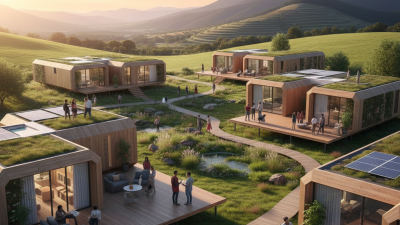
Sustainability is a central theme in the construction of pre-made homes. Eco-friendly materials significantly reduce the environmental footprint. Reports indicate that using sustainable materials can lower energy consumption by up to 30%. These homes often use recycled or rapidly renewable materials, leading to fewer resources being depleted.

Moreover, the building practices employed in pre-made homes prioritize efficiency. Many manufacturers utilize modular construction techniques, which can reduce waste by as much as 50%. The controlled environment of factory settings ensures precision and minimizes errors. However, it is crucial to consider local regulations and building codes, which may not align with sustainable practices.

Energy efficiency is another area where pre-made homes shine. According to the U.S. Department of Energy, homes built with energy-efficient practices can reduce utility bills by 20-50%. Yet, potential buyers must remain vigilant about the choices made during construction. Not all materials marketed as eco-friendly truly meet sustainability standards. Therefore, thorough research and understanding are essential when selecting a pre-made home.

Customization Options Available in Pre Made Homes for Diverse Needs

When considering pre-made homes, customization is a significant advantage. Recent reports indicate that 75% of potential homeowners prioritize personalized features. This statistic highlights the growing trend toward unique living spaces. Pre-made homes are no longer just cookie-cutter designs. Instead, they offer various options, allowing buyers to tailor layouts and finishes.

Materials used in pre-made homes can vary widely. Options might include eco-friendly alternatives, modern aesthetics, or traditional styles. According to industry data, about 60% of buyers choose energy-efficient features. This reflects a shift toward sustainable living. However, customization can lead to higher costs. Sometimes, buyers find their ideal choices exceed initial budgets. This can lead to tough decisions.

Another aspect to consider is space efficiency. Many pre-made homes maximize square footage. However, choosing a smaller home might limit design options. About 40% of homeowners cite space as a constraint in customization. Homeowners must balance desires with practical limitations. This reflects the complexity of creating a perfect living environment through pre-made homes. People must contemplate the trade-offs involved in their choices.

Customization Options in Pre Made Homes

Market Trends: The Rising Popularity of Pre Made Homes in Urban Areas

In recent years, pre-made homes have surged in popularity, especially in urban areas. According to a report by the National Association of Home Builders, over 20% of new homes built in cities are now prefabricated. This trend highlights a shift in consumer preferences towards more affordable housing solutions. Urban dwellers often face high costs, making pre-made homes an appealing option.

Architectural efficiency plays a significant role in this growing interest. These homes can be built in a fraction of the time compared to traditional constructions. The speed can reduce labor costs, which appeal to many buyers. However, the challenge is ensuring quality. Some pre-made homes struggle with insulation and long-term durability. This concern warrants careful consideration, as buyers must weigh upfront affordability against potential future repairs.

Market research indicates that millennials and young professionals are driving this trend. They seek flexibility in their living situations. Many prefer the minimalist lifestyle that pre-made homes offer. Still, not everyone believes this model is flawless. Local zoning laws can pose hurdles, and the quality of communities surrounding pre-made homes can vary widely. Buyers should investigate these factors closely before making a decision.