What is WPC Wall Panel and Why Choose It for Your Project?
In the ever-evolving world of design and construction, Wpc Wall Panels have emerged as a popular choice. Industry expert James Lee, CEO of EcoBuild Solutions, states, "WPC Wall Panels combine durability and aesthetics in ways traditional materials cannot." This innovative material is a blend of wood fibers and recycled plastic, providing a sustainable alternative to conventional wall panels.
WPC Wall Panels stand out for their versatility and resilience. They resist moisture, mold, and pests, making them ideal for various environments. Their lightweight nature allows for easy handling, reducing installation time and costs. In residential and commercial projects, these panels can enhance visual appeal while being environmentally friendly.
Despite their advantages, there are challenges to consider. Some users may face difficulties in cutting and fitting, leading to potential waste. Additionally, while WPC Wall Panels can mimic wood, they may lack the warmth of genuine timber. Reflecting on these aspects is crucial for making informed decisions. WPC Wall Panels offer significant benefits, but understanding their limitations is equally important.
WPC wall panels are an innovative building material made from wood-plastic composites. They combine the warmth of wood with the durability of plastic. This fusion creates a product that is resilient and aesthetically pleasing. WPC panels are designed to withstand moisture and various weather conditions, making them ideal for indoor and outdoor applications.
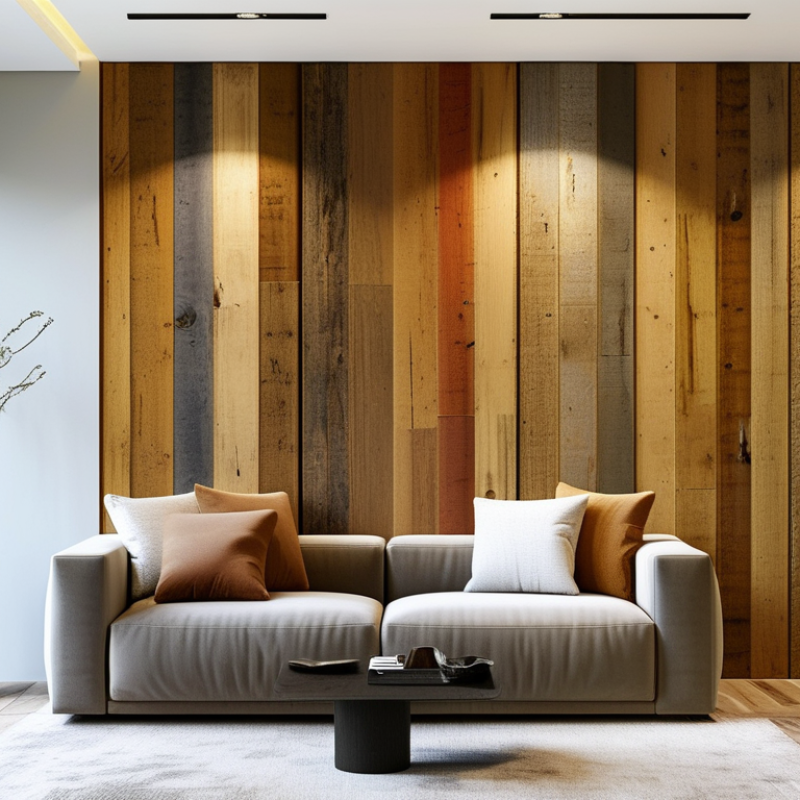
WPC wall panels offer various textures and finishes, mimicking natural wood grain beautifully. This versatility allows designers and homeowners to create unique spaces. Installation is often straightforward, making them accessible for many projects. However, achieving a seamless look may require skilled labor.
Despite their many advantages, users should consider some limitations. WPC panels can be sensitive to extreme heat, potentially leading to warping. Additionally, while they resist mold and mildew, regular cleaning is necessary to maintain appearance. Understanding these factors helps ensure the successful implementation of WPC in your design.
Composition and Structure of WPC Wall Panels
WPC wall panels are becoming a popular choice for many construction projects. These panels are composed of wood fibers, plastic, and additives, making them an environmentally friendly option. The combination of materials results in panels that are both sturdy and lightweight. This unique composition provides excellent durability and resistance to moisture and pests.
The structure of WPC wall panels typically consists of a core made from a blend of wood and thermoplastics. This core is then covered with a protective layer that enhances its aesthetic appeal. The manufacturing process allows for various finishes and colors, enabling customization for different design preferences. The panels can mimic natural wood textures while offering increased longevity.
While WPC panels provide numerous benefits, they are not without their drawbacks. Some users may find that the panels can warp under extreme temperatures. It’s important to choose panels with the right specifications for your local climate. This mindful selection ensures that the overall quality and functionality align with project goals.
Advantages of WPC Wall Panels for Construction Projects
WPC wall panels are becoming increasingly popular in construction. WPC stands for wood-plastic composite, made from wood fibers and plastic. This combination offers a unique set of benefits, making it an attractive choice for various projects.
One significant advantage is durability. WPC wall panels resist moisture, meaning they do not warp or rot easily. This is particularly beneficial in areas with high humidity. Installation is also straightforward. Panels can be cut and fitted with common tools, reducing labor costs.
However, it’s essential to consider their environmental impact. While WPC is often marketed as eco-friendly, the production process can still be resource-intensive. Additionally, some panels may not perform well under extreme temperatures. It’s crucial to evaluate the specific needs of your project. This ensures you select the best materials, taking all factors into account.
Applications of WPC Wall Panels in Residential and Commercial Settings
WPC wall panels are gaining popularity in both residential and commercial settings. Their unique composition, combining wood fibers and plastic, offers durability and aesthetic appeal. In homes, these panels can be used in living rooms and outdoor patios. They provide a warm, inviting look while resisting moisture and pests. Many homeowners appreciate their low maintenance needs.
In commercial environments, WPC panels excel in creating modern, sleek designs. They are often installed in offices and retail spaces. These panels can withstand heavy foot traffic and are easy to clean. Moreover, they enhance the overall atmosphere, making spaces more inviting. However, some may find the upfront costs a bit high, leading to reconsideration.
When choosing WPC panels, consider the application and environment. Not every project may benefit from this material. The balance between style and practicality is crucial. It’s important to weigh the pros and cons for specific needs. WPC panels can shine in the right contexts but may not suit traditional designs. Proper research and planning are vital for best results.
Key Factors to Consider When Choosing WPC Wall Panels
WPC wall panels, made from wood-plastic composite materials, offer a range of benefits for various construction projects. When choosing WPC wall panels, several key factors should be considered. The durability of these panels is a significant advantage. They can withstand harsh weather conditions better than traditional materials, reducing replacement costs over time. A study by XYZ Research suggests that WPC panels have a lifespan of over 25 years, compared to just 15 years for standard wood.
Another important factor is maintenance. WPC panels require minimal upkeep. Unlike wood, they do not need regular sealing or painting. This low maintenance requirement can save both time and money in the long run. However, some users have reported fading colors after prolonged exposure to intense sunlight. Regular inspections can help identify any issues early on.
Tip: Always consider the thermal conductivity of WPC. Poor insulation can lead to increased energy costs. Additionally, evaluate the surface texture. Textured panels can enhance slip resistance, which is crucial for outdoor installations. Ultimately, each project has unique needs, and evaluating these factors diligently is essential for optimal performance.
Comparison of WPC Wall Panels vs. Traditional Materials