| Long-term cost | Compare the purchase price with the expected use period, replacement needs, care, and storage costs. | Reusable arrangements can reduce repeat purchasing, especially in spaces that need consistent displays. The initial outlay may be higher than a single fresh-flower purchase. | Estimate total cost over the intended display period and include containers, installation, cleaning, and replacement of damaged stems. |
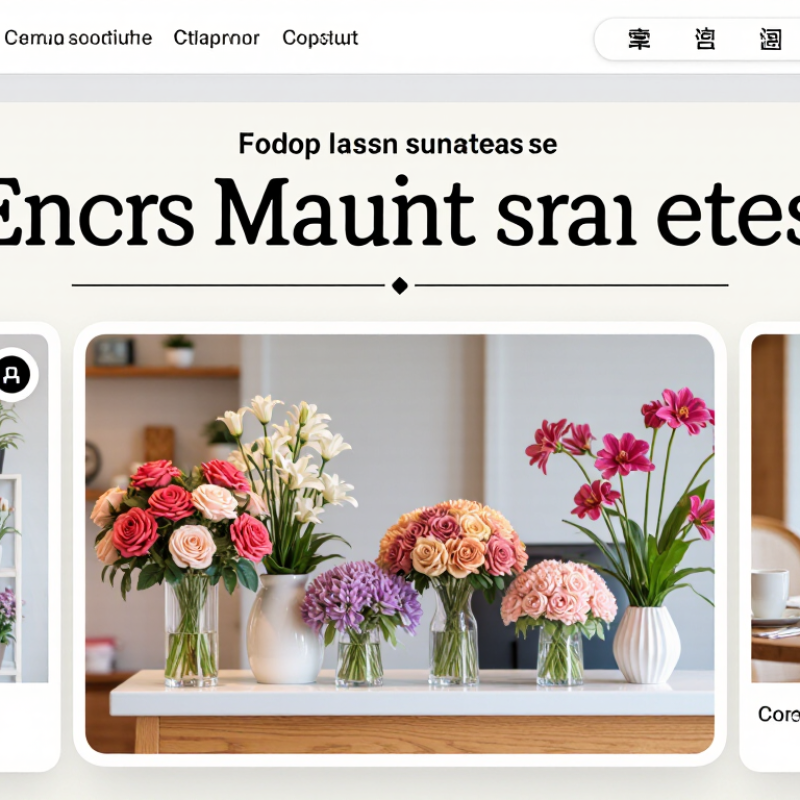
| Appearance and realism | Check petal shape, color variation, leaf detail, stem finish, and how the arrangement looks from normal viewing distances. | A convincing display can support a polished customer-facing space. Less realistic finishes may be more noticeable in close-up settings. | Inspect samples in the actual lighting and view them both up close and from across the room. |
| Maintenance and storage | Ask how the flowers should be cleaned, whether they can be reshaped, and how they should be packed between seasonal displays. | Artificial flowers do not need watering or routine replacement due to wilting, but they can collect dust and may need careful cleaning and storage. | Follow the supplier’s care guidance; test cleaning on a small, inconspicuous area before treating a full arrangement. |
| Light and placement | Consider direct sunlight, heat, moisture, and whether the display will be indoors or outdoors. | Indoor arrangements generally avoid weather-related wear. Sunlight and outdoor exposure can fade or degrade some materials over time. | Confirm whether the product is intended for indoor or outdoor use and ask about any UV-resistance testing or care limitations. |
| Material and construction | Artificial flowers may use materials such as polyester fabric, polyethylene, or PVC, with wire or plastic stems. | Material affects texture, flexibility, weight, appearance, and cleaning requirements. Construction quality also affects how well stems hold their shape. | Review the material specification, bend a sample gently, and check that petals and leaves are securely attached. |
| Color and seasonal consistency | Consider whether replacement stems or matching arrangements will be available later, and whether color variation between batches matters. | Reusable flowers make it easier to repeat a display scheme, but product colors and availability can change over time. | Order enough for the planned project and keep product details and a sample for future matching. |
| Fire and venue requirements | Check applicable building, venue, and event rules, especially for displays near lighting, exits, or heat sources. | Requirements vary by location and use. Some venues may request documentation for flame-retardant treatment or restrict certain materials. | Ask the venue or relevant authority what documentation is required; do not assume a product is flame-retardant without verification. |
| Environmental considerations | Consider product lifespan, packaging, material composition, repairability, and local disposal or recycling options. | Reuse may help avoid frequent replacements, but many artificial flowers contain mixed materials that can be difficult to recycle. | Choose durable designs, reuse arrangements where possible, and check local waste guidance before disposal. |
| Fit for the business setting | Match size, color, style, and placement to the space, customer expectations, and frequency of display changes. | Artificial flowers can suit reception areas, retail displays, restaurants, and event décor where a maintained look is useful; they may not meet every client’s preference for fresh flowers. | Test a complete sample arrangement in the intended space and gather feedback from staff or customers before ordering in quantity. |


 Your message must be between 20-3,000 characters!