Top 5 Small Prefab Homes You Need to Consider for Affordable Living
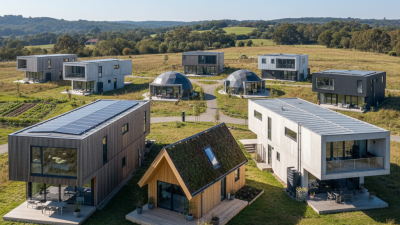
As the demand for affordable housing solutions grows, small prefab homes have emerged as a viable option for those seeking cost-effective living spaces without sacrificing style or sustainability. According to industry expert Sarah Johnson, a renowned advocate for innovative housing designs, "Small prefab homes not only provide an economical alternative but also foster a sense of community and environmental responsibility." With their efficient layouts and modern aesthetics, these homes are redefining the way we think about space and sustainability.
In 2025, the trend of small prefab homes is expected to reach new heights, as more individuals and families recognize the benefits of downsizing while maintaining comfort and functionality. These homes offer a practical solution to rising real estate prices, allowing homeowners to achieve their dreams of homeownership in an increasingly competitive market. By embracing the philosophy of "less is more," small prefab homes provide a unique opportunity for buyers to invest in quality living without the burden of overwhelming costs.
In this article, we will explore the top five small prefab homes that everyone should consider for affordable living. From cutting-edge designs to eco-friendly features, these models exemplify the potential for harmony between affordability and modern living, making them a noteworthy choice for the future of housing.
Innovative Design Features of 2025's Top Small Prefab Homes
In 2025, the trend towards affordable living continues to gain momentum, particularly with the rise of innovative small prefab homes. These residences blend cutting-edge design with cost-effective materials, making homeownership more accessible. According to the Modular Building Institute, prefab homes can reduce construction time by up to 50%, which significantly lowers labor costs. Additionally, modern prefab homes often incorporate sustainable features like solar panels and energy-efficient appliances, enhancing their appeal to eco-conscious buyers.
When considering a prefab home, focus on design features that maximize space and functionality. Look for models with open floor plans and multi-use furniture, which can create the illusion of a larger living area. It's also wise to choose homes with built-in storage solutions to minimize clutter.
Tip: Always check for local zoning laws and building codes to ensure your prefab home can be placed on your desired plot of land without complications. Engaging with suppliers early on can provide insight into customizable features that fit both your style and budget.
Top 5 Small Prefab Homes You Need to Consider for Affordable Living
Home Model
Size (sq ft)
Price (USD)
Key Features
Eco-Friendliness
EcoNest
400
$60,000
Sustainable materials, solar panels
High
Modular Studio
300
$45,000
Compact design, fully furnished
Moderate
Zen Cottage
500
$75,000
Open layout, natural lighting
High
Tiny Home Haven
250
$30,000
Space-saving furniture, energy-efficient
Moderate
Green Retreat
600
$90,000
Nature integration, rainwater harvesting
Very High
Cost-Effective Living Solutions for Budget-Conscious Buyers
In an era where housing costs are skyrocketing, small prefab homes emerge as a logical solution for budget-conscious buyers seeking cost-effective living solutions. These homes offer a unique blend of affordability and modern design, making them an attractive option for those who want to downsize without sacrificing quality. With customizable layouts and eco-friendly materials, prefab homes allow homeowners to create a space that reflects their personal style while remaining affordable.
Moreover, the speed of construction and reduced waste associated with prefab homes further enhance their appeal. Traditional home-building processes can extend over months or even years, but prefab homes can be assembled in a fraction of that time. This rapid completion not only saves time but also minimizes construction costs, making these homes a financially smart choice. For anyone looking to invest in a practical yet stylish dwelling, exploring the various small prefab home options available is a step towards achieving a more sustainable and economically sound lifestyle.
Sustainable Materials and Eco-Friendly Practices in Prefab Homes
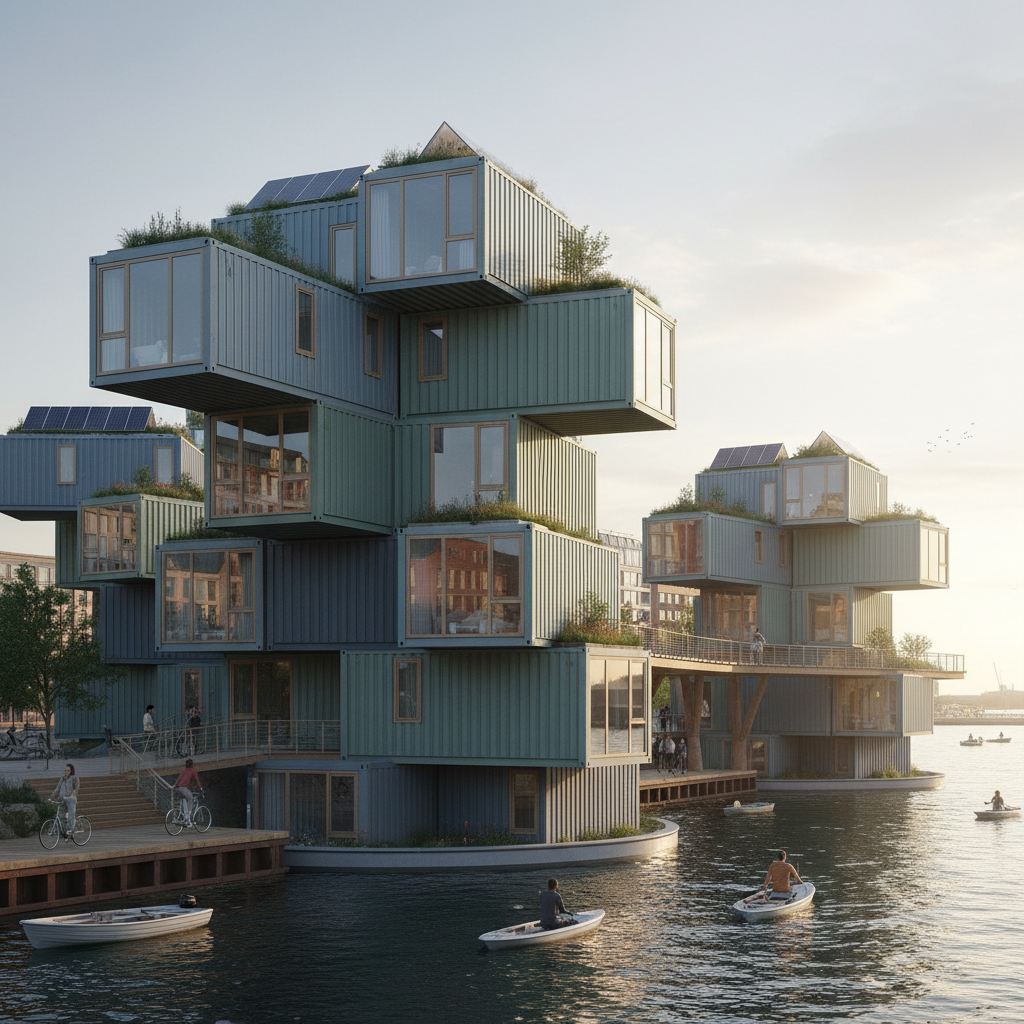
The growing demand for sustainable living is reshaping the housing industry, particularly with the advent of prefab homes that employ eco-friendly materials and practices. According to recent studies, the construction sector is responsible for a significant portion of global carbon emissions, prompting a need for innovative solutions. Prefab homes offer a compelling answer, utilizing recycled materials and efficient manufacturing processes that reduce waste. For instance, the use of shipping containers for housing, as seen in projects like Urban Rigger in Copenhagen, exemplifies how repurposing materials can lead to both affordability and sustainability.
Recent initiatives also highlight the shift towards eco-friendly prefab kits, which are increasingly available in the market. Companies are focusing on sustainable materials such as bamboo, reclaimed wood, and insulated panels that minimize energy consumption. Reports indicate that these structures can significantly cut construction waste by as much as 40% compared to traditional building methods, while also streamlining the logistics involved in transportation and installation. This trend is essential as communities seek solutions that not only address housing shortages but also align with broader environmental goals. With the continued rise of sustainable practices, prefab homes are poised to play a key role in building a greener future.
Space Optimization Techniques in Small Prefab Living Spaces
In today’s housing market, small prefab homes are gaining traction as a cost-effective solution to rising living expenses. According to a report from the National Association of Home Builders, the average size of newly constructed single-family homes has steadily increased over the years, but the demand for smaller, efficient spaces is pushing trends in the opposite direction. By embracing innovative space optimization techniques, such as multifunctional furniture and integrated storage solutions, prefab homes can maximize utility without sacrificing comfort.
For instance, utilizing vertical space is essential in small living environments. The U.S. Department of Housing and Urban Development suggests that vertical storage methods, including wall-mounted shelves and lofted beds, can significantly increase available space. Furthermore, compact designs often incorporate open floor plans that promote better airflow and light distribution, making even the smallest homes feel airy and inviting. In this context, the combination of clever design and prefab construction allows homeowners to enjoy minimalism while maintaining a high quality of life, reducing both their ecological footprint and living costs.
Comparative Analysis of the Best Small Prefab Homes for Affordability
In the realm of affordable living, small prefab homes have emerged as a practical and sustainable solution.
According to a report by the National Association of Home Builders, the average cost of building a new home in the U.S. is approximately $296,654.
In contrast, small prefab homes can range from $50,000 to $150,000, significantly reducing the financial barrier for potential homeowners.
This price point makes them particularly appealing to millennials and first-time buyers seeking to own property without incurring overwhelming debt.
Moreover, small prefab homes offer efficiency not just in cost but also in energy consumption. A study by the U.S. Department of Energy highlights that these modular dwellings can be up to 30% more energy-efficient compared to traditional homes due to their superior insulation and compact design.
Many models are also equipped with eco-friendly technologies, such as solar panels and rainwater harvesting systems, which contribute to lower utility bills and a reduced carbon footprint.
With their affordability and sustainability, small prefab homes are a compelling option for those looking to embrace a more economical lifestyle while still maintaining modern comforts.