Top 10 Seal Valve Types for Efficient Procurement Solutions?
Seal Valves play a crucial role in various industrial applications, from oil and gas to water management. According to a report by MarketsandMarkets, the global valve market is anticipated to reach $85 billion by 2026, driven by the growing demand for efficient and reliable solutions. Seal valve technologies are at the forefront of this trend as they minimize leaks and increase operational efficiency.
The use of seal valves has shown to enhance process reliability. For instance, a study published by the American Society of Mechanical Engineers (ASME) highlighted that employing advanced seal valve designs can reduce leakage rates by over 30%. This data underlines the importance of selecting the right type of seal valve in procurement strategies. However, despite available technology, many industries still face challenges in optimizing their valve selections.
In this competitive landscape, understanding the various types of seal valves can significantly impact procurement outcomes. This overview will explore the top ten seal valve types that not only reflect current industry standards but also highlight gaps that need addressing within procurement practices. A careful analysis can lead to improvements and better decision-making, ultimately enhancing operational efficiency.
Overview of Seal Valve Types in Procurement Solutions
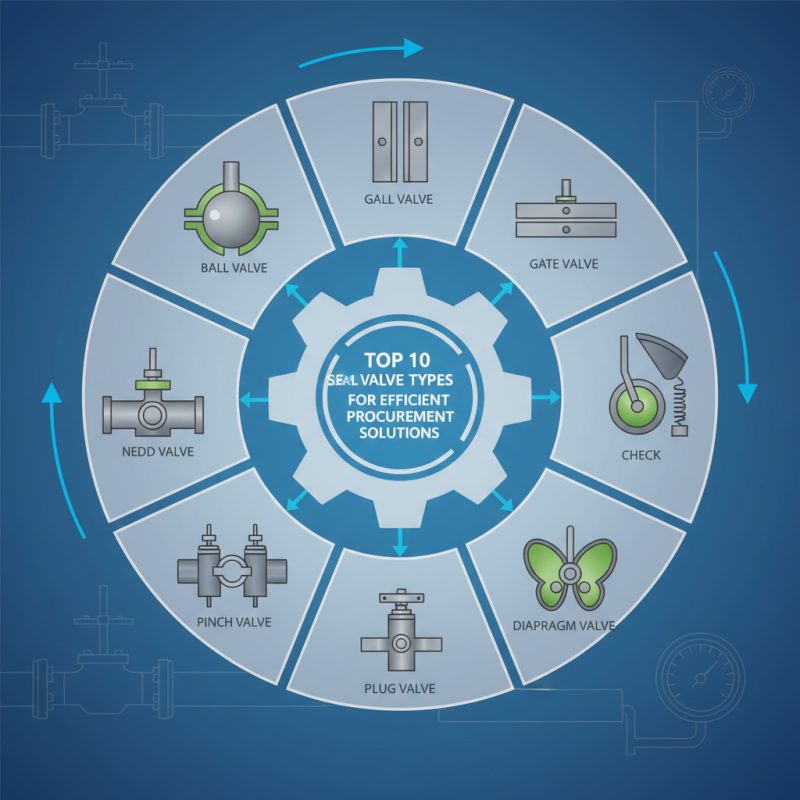
In procurement solutions, seal valves play a crucial role in ensuring system integrity and efficiency. Various types of seal valves, including ball valves, gate valves, and globe valves, each offer unique benefits. For instance, ball valves are known for their excellent sealing capabilities and quick operation, while globe valves provide precise flow control. According to a recent industry report, the global market for seal valves is projected to grow by 6.2% annually, indicating increasing demand for efficient procurement solutions.
Choosing the right seal valve type depends on application requirements. For high-pressure systems, check valves offer reliable backflow prevention. In contrast, butterfly valves are ideal for low-pressure applications due to their lightweight design. As projects become more complex, procurement professionals must weigh the performance characteristics against the budget constraints. They should invest time in understanding valve specifications to avoid costly mistakes.
Tips: Always review technical data sheets before finalizing purchases. Engage with suppliers to gain insights on product performance. Consider lifecycle costs, not just upfront prices. Ensuring reliable supply chains and stock levels can prevent disruptions in operations. Additionally, consider the environmental impact of your choices. Prioritize sustainable options that align with corporate responsibility goals.
Top 10 Seal Valve Types for Efficient Procurement Solutions
Criteria for Selecting Efficient Seal Valves
Selecting the right seal valves is crucial for efficient procurement solutions. When assessing seal valves, consider the material compatibility with the fluids involved. The seal material must withstand temperature and pressure variations. Using the wrong material can lead to premature failure or leaks.
The design of the valve also plays a significant role. It should promote good sealing while facilitating easy maintenance. Look for features that allow for quick disassembly. This can save time and costs during maintenance.
Tips: Always check for manufacturer specifications. Ensure that the valve meets industry standards. Testing the valve under real-world conditions can prevent issues later.
Another important criterion is the valve's operational efficiency. It should minimize energy consumption during operation. High-efficiency valves lead to lower operational costs. Evaluate the flow characteristics carefully.
Remember, even the best valves have limits. Understanding those limits is key. Regular assessments can help identify when a valve might fail. This proactive approach can mitigate potential disruptions.
Detailed Analysis of the Top 10 Seal Valve Types
Seal valves play a critical role in various industries, ensuring the efficient control of fluids. Choosing the right seal valve type impacts operational efficiency and safety. One popular option is the butterfly valve, known for its lightweight design and quick operation. Its structure allows for effective flow regulation in liquid and gas applications. Another essential type is the gate valve, which provides a tight seal. It is suitable for on/off control in high-pressure scenarios.
Tips: Always consider the fluid type when selecting a valve. Certain materials resist corrosion better than others.
Check the sealing materials used in the valve. They should match your application requirements.
The globe valve stands out for its excellent throttling capability. However, it can lead to more pressure loss compared to other types. In high-temperature environments, ball valves excel due to their durability and reliability. A simpler design means less maintenance, but they can be costly.
Understanding these diverse options helps in making an informed decision. Each type comes with its own advantages and potential drawbacks. Addressing these factors leads to better procurement solutions for your operations.
Comparative Efficiency of Seal Valves in Various Applications
Seal valves play a critical role in various industries. They ensure safe and efficient fluid containment. Applications can range from oil and gas to chemical processing. The choice of valve type significantly impacts operational efficiency. Different seal designs are optimized for specific conditions.
For instance, soft-seated valves are ideal for low-pressure systems. They provide a tight seal and minimize leakage. On the other hand, metal-seated valves perform better in high-temperature environments. This versatility allows engineers to select the most suitable option based on the application. Frequent evaluations are necessary to maintain optimal performance.
However, selecting the wrong type can lead to inefficiencies. Considerations like pressure, temperature, and fluid characteristics are vital. Testing various types can help identify the best fit. Achieving balance between cost and performance requires careful analysis. Each application brings unique challenges that demand innovative valve solutions.
Cost Considerations and Procurement Strategies for Seal Valves
When considering procurement solutions for seal valves, cost is a crucial factor. Companies often aim to strike a balance between quality and price. Lower costs might attract attention, but they can lead to reliability issues later. Understanding the different valve types helps ensure better long-term investments.
Tips: Assess supplier credentials. Reliable vendors offer warranties and support. Avoid going for the cheapest option without considering performance.
Developing a procurement strategy involves thorough market research. This might include evaluating multiple suppliers. Comparing features, materials, and longevity ensures that you select the right valve type. Engaging with industry experts can provide valuable insights into the latest trends.
Tips: Attend trade shows and webinars. Networking with professionals can reveal hidden costs and best practices. Stay informed about industry innovations to refine your choices.
Cost evaluations should also consider maintenance and operational efficiency. High upfront costs may lead to lower maintenance expenses and extended service life. Always reflect on the long-term implications of your choices.