Top 10 Pre Fabricated Homes You Need to Consider Now
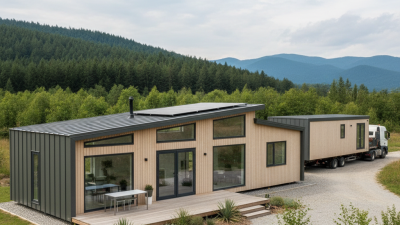
In recent years, pre fabricated homes have gained significant attention in the housing market. These innovative dwellings offer quick construction and cost-effectiveness. They appeal to diverse buyers, from young families to retirees seeking simplicity.
Exploring the top 10 pre fabricated homes can reveal why they stand out. Each design showcases unique features, sustainability, and modern aesthetics. However, potential buyers should reflect on their own needs and values. Not all pre fabricated homes may suit every lifestyle or climate. This article aims to guide you through various options, highlighting what makes each one worthy of consideration.
As you read, consider your personal situation and preferences. Are you ready to embrace a new way of living? Pre fabricated homes may offer the solution you’ve been searching for. Your journey into this modern housing trend starts here.
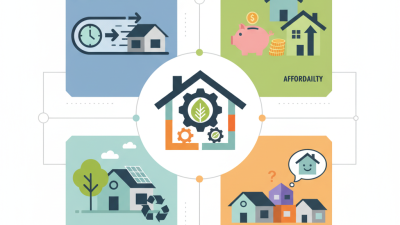
The world of prefabricated homes is evolving. For 2023, sustainability is a top trend. Many homeowners are prioritizing eco-friendly materials. Green roofs and solar panels are becoming standard features. These designs not only reduce energy consumption but also enhance aesthetics. Prefab homes can be customized with energy-efficient windows, minimizing heat loss. This shift towards sustainability reflects a deeper awareness of environmental impact.
Another emerging trend is the integration of smart technology. Homeowners want connectivity and convenience. Smart thermostats and security systems can be easily incorporated into prefab designs. These technologies streamline daily living, making homes more functional. However, many people may struggle with the learning curve of these gadgets. It’s crucial to balance innovation with user-friendliness.
Open floor plans remain popular, allowing for flexibility in interior design. However, some individuals may find these layouts lack the cozy feel of traditional homes. Adding private nooks or dedicated spaces can enhance comfort. Personalization is key in prefab designs. While manufacturers often provide standard designs, customizing layouts can ensure each home reflects the owner's spirit. The journey towards finding the perfect prefabricated home can spark both excitement and uncertainty.
Top 10 Pre Fabricated Homes You Need to Consider Now - Top Trends in Prefabricated Home Design for 2023
Model
Size (sq ft)
Bedrooms
Price ($)
Main Features
Eco Modular
1,200
3
150,000
Sustainable materials, energy-efficient design
Modern Cabin
800
2
100,000
Open floor plan, large windows
Urban Loft
1,000
2
120,000
Contemporary design, rooftop terrace
Family Residence
1,600
4
180,000
Spacious layout, backyard space
Compact Living
500
1
70,000
Minimalist design, multi-functional spaces
Contemporary House
1,400
3
160,000
Energy-efficient, modern finishes
Rural Retreat
1,200
3
140,000
Rustic style, nature-friendly
Luxury Tiny Home
300
1
50,000
High-end finishes, space-saving solutions
Eco-Friendly Dome
900
2
110,000
Unique shape, off-grid capabilities
City Chic Duplex
1,100
2
130,000
Dual living spaces, urban design
Key Benefits of Choosing Prefabricated Homes Over Traditional Builds
Prefabricated homes are gaining popularity for several reasons. They offer significant time savings compared to traditional builds. According to a report from the National Association of Home Builders, prefabricated homes can be constructed up to 50% faster. This speed can be critical for those needing quick housing solutions or for urban development projects.
Cost efficiency is another compelling reason to consider prefabricated homes. A study by the Federal Housing Finance Agency shows that these homes can be 10% to 20% cheaper than traditional construction methods. This cost savings arises from reduced labor expenses and optimized manufacturing processes. However, potential buyers should consider long-term investment implications. While the upfront costs are appealing, resale values can vary widely.
Sustainability is a key aspect of prefabrication. Many manufacturers focus on eco-friendly materials and energy-efficient designs. For instance, homes can be built with less waste, resulting in a smaller carbon footprint. Yet, this might not be universally true. Some prefabricated homes still rely on conventional building materials. It's vital to conduct thorough research to find options that align with sustainability goals and practices.
Cost Analysis: Prefabricated Homes vs. Site-Built Homes
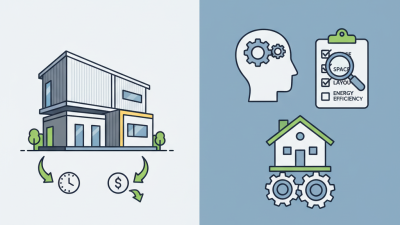
Prefabricated homes have gained popularity due to their efficiency and cost-effectiveness. Cost analysis shows that prefabricated homes can be less expensive than traditional site-built homes. The construction process is streamlined, reducing labor costs. Many buyers appreciate the speed of assembly, which can take weeks instead of months.
However, potential homeowners should be aware of hidden costs. Land preparation, transportation, and permits can add up. These factors might offset initial savings. Additionally, not every prefabricated home is customizable. Some models come with limited design choices, which can be a drawback for those seeking a personalized touch.
Maintenance costs must also be considered. Prefabricated homes may require more upkeep due to unique construction materials. Also, reselling can be challenging. Prospective buyers may have apprehensions about the home's value and durability. It's crucial to weigh these considerations carefully before making a decision.
Environmental Impact: Sustainability in Prefabricated Construction
Prefabricated homes are gaining traction for their environmental benefits. These structures often require fewer materials and reduce waste. Most of the construction happens off-site, which minimizes disruption to the land. This process can greatly lessen the impact on local ecosystems.
Many prefabricated homes incorporate sustainable materials like recycled steel or wood from responsibly managed forests. This choice not only ensures durability but also supports sustainable forestry practices. However, potential buyers should evaluate the overall environmental footprint. Some components may still rely on fossil fuels for production and transportation.
Energy efficiency is another aspect to consider. Many models are designed with passive solar features and high insulation levels. These elements can reduce heating and cooling needs significantly. Yet, it’s crucial to assess long-term energy consumption and maintenance. Engaging with builders who prioritize sustainability can lead to better choices. Being informed leads to a more responsible decision-making process.
Top 10 Prefabricated Homes: Environmental Impact and Sustainability
This chart depicts the sustainability scores for various environmental impact factors associated with prefabricated homes. Higher scores indicate better sustainability practices in areas such as energy efficiency, material use, waste reduction, carbon footprint, and water conservation.
Future of Living: Innovation and Technology in Prefabricated Homes
The future of living is taking shape with innovative technologies in prefabricated homes. These homes are not just structures; they represent a shift in how we approach residential design. With an emphasis on efficiency, many are crafted in factories and then assembled on-site. This removes the delays often associated with traditional construction methods.
Energy efficiency is a key driver for this transformation. Many prefabricated homes feature sustainable materials and smart energy systems. Solar panels, for example, can drastically reduce energy bills. However, not all designs achieve optimal energy performance. Some homes still rely on conventional materials. This raises questions about sustainability and long-term costs.
User customization is another technological advance in prefabricated homes. Homeowners can choose layouts, finishes, and features that fit their lifestyles. Yet, this personalization can lead to higher costs. There’s a balance to strike between tailored design and budget constraints. As the industry evolves, examining these nuances is crucial. Future living should not only be about innovation but also equitable access and functionality.