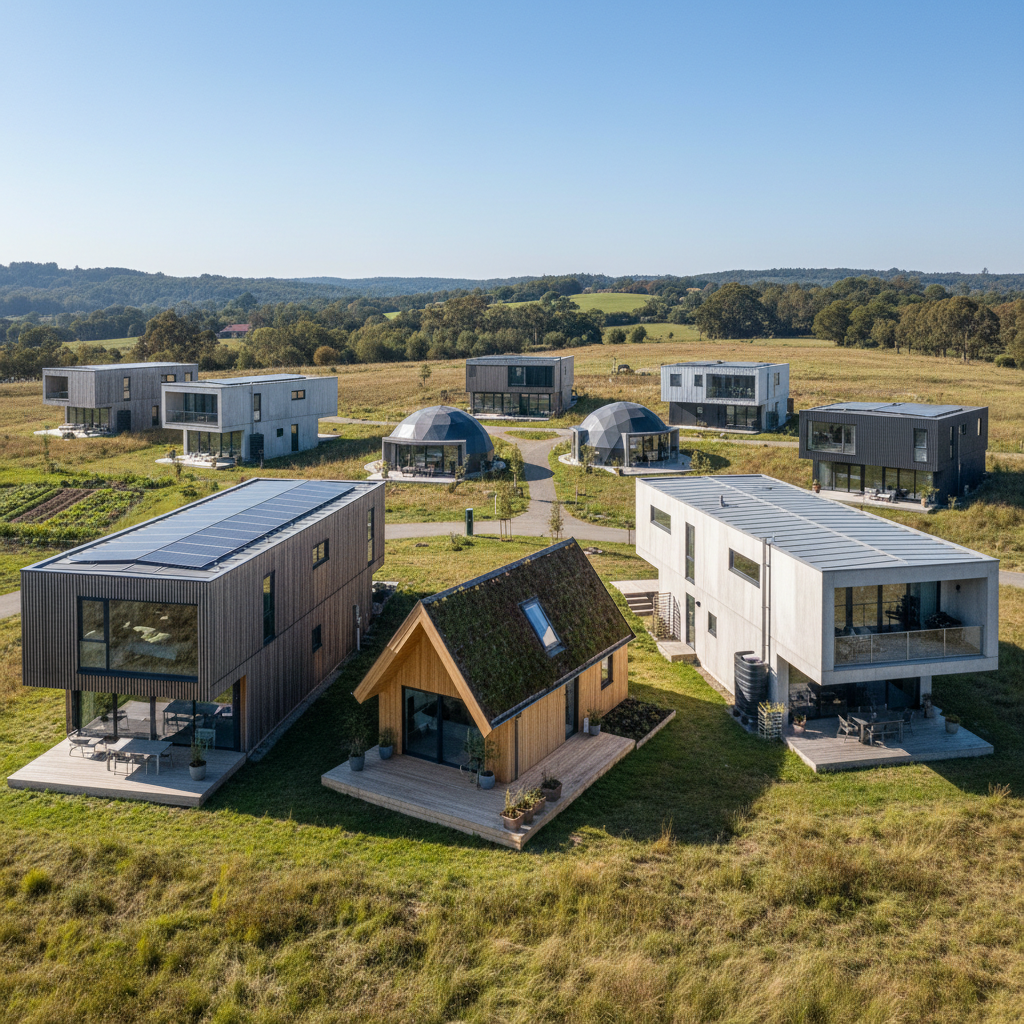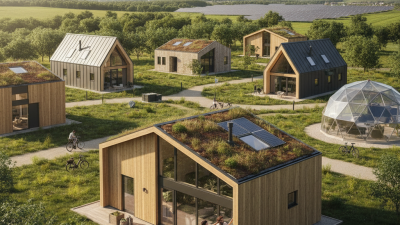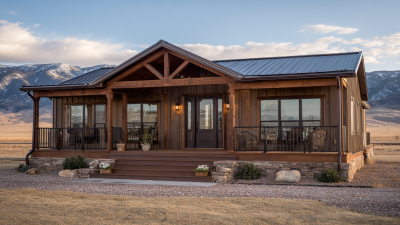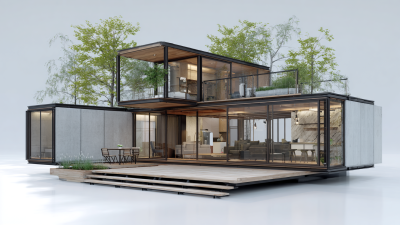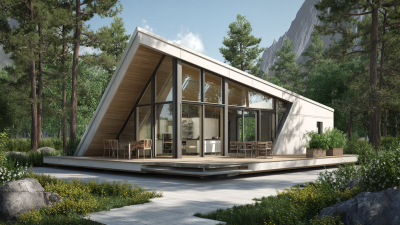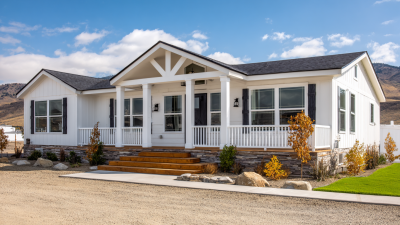
Top 10 Prebuilt Houses That Offer Modern Living Solutions
In recent years, the housing market has witnessed a significant shift towards prebuilt houses, a trend that is revolutionizing modern living solutions. According to a report by the National Association of Home Builders, the demand for prebuilt homes has surged by over 30% in the past five years, as individuals seek affordable, sustainable, and customizable living spaces. Experts in the field, such as Dr. Emily Johnson, a leading analyst on housing trends, affirm, “Prebuilt houses offer unparalleled flexibility, allowing homeowners to create their ideal living environment with minimal environmental impact.”
The appeal of prebuilt houses lies not only in their efficiency but also in the innovative designs that cater to contemporary lifestyles. With advancements in construction technology, these homes can be erected in a fraction of the time compared to traditional builds, often within a few weeks. The incorporation of eco-friendly materials and energy-efficient systems further enhances their attractiveness, aligning with the growing consumer preference for sustainability. As we delve into the top 10 prebuilt houses that exemplify modern living solutions, it’s clear that this trend represents a pivotal moment in the evolution of housing, offering unique alternatives that meet the needs of today’s society.
Benefits of Prebuilt Houses in Modern Construction Markets
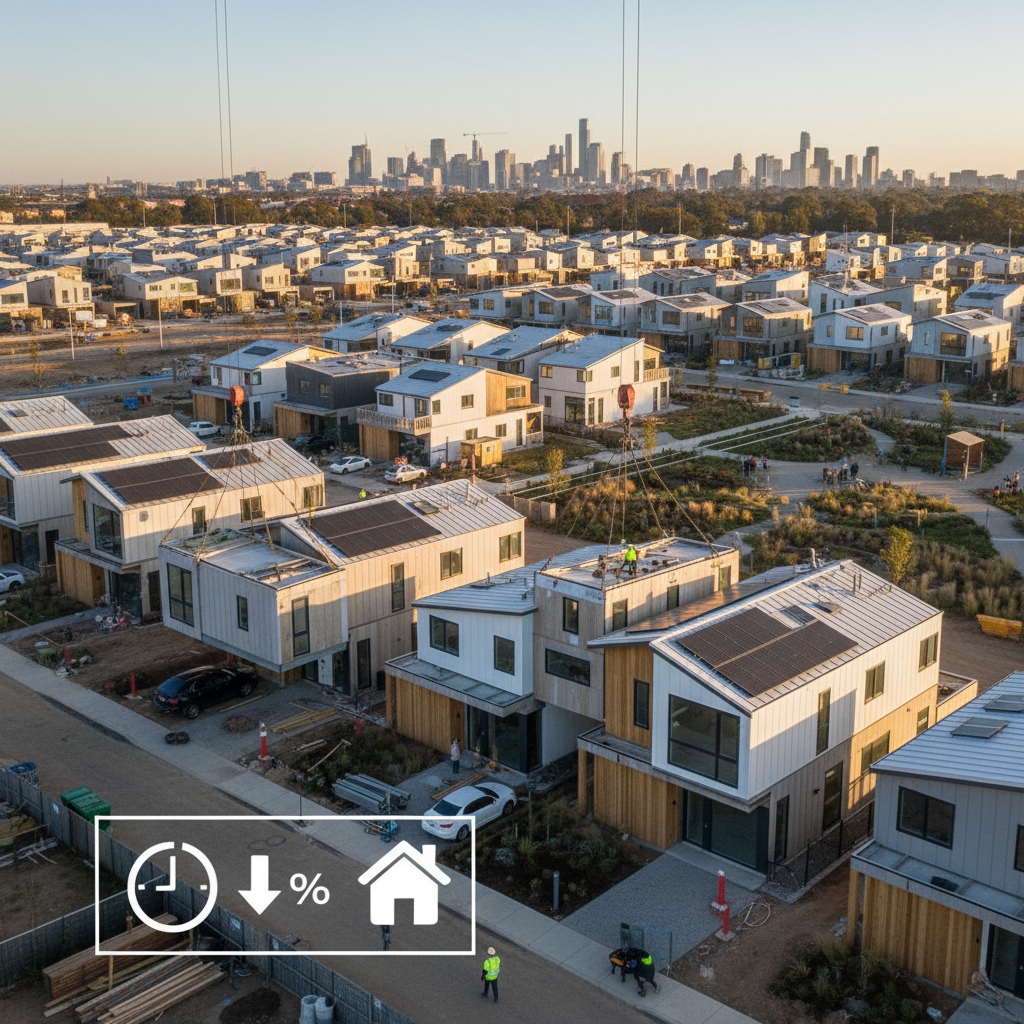
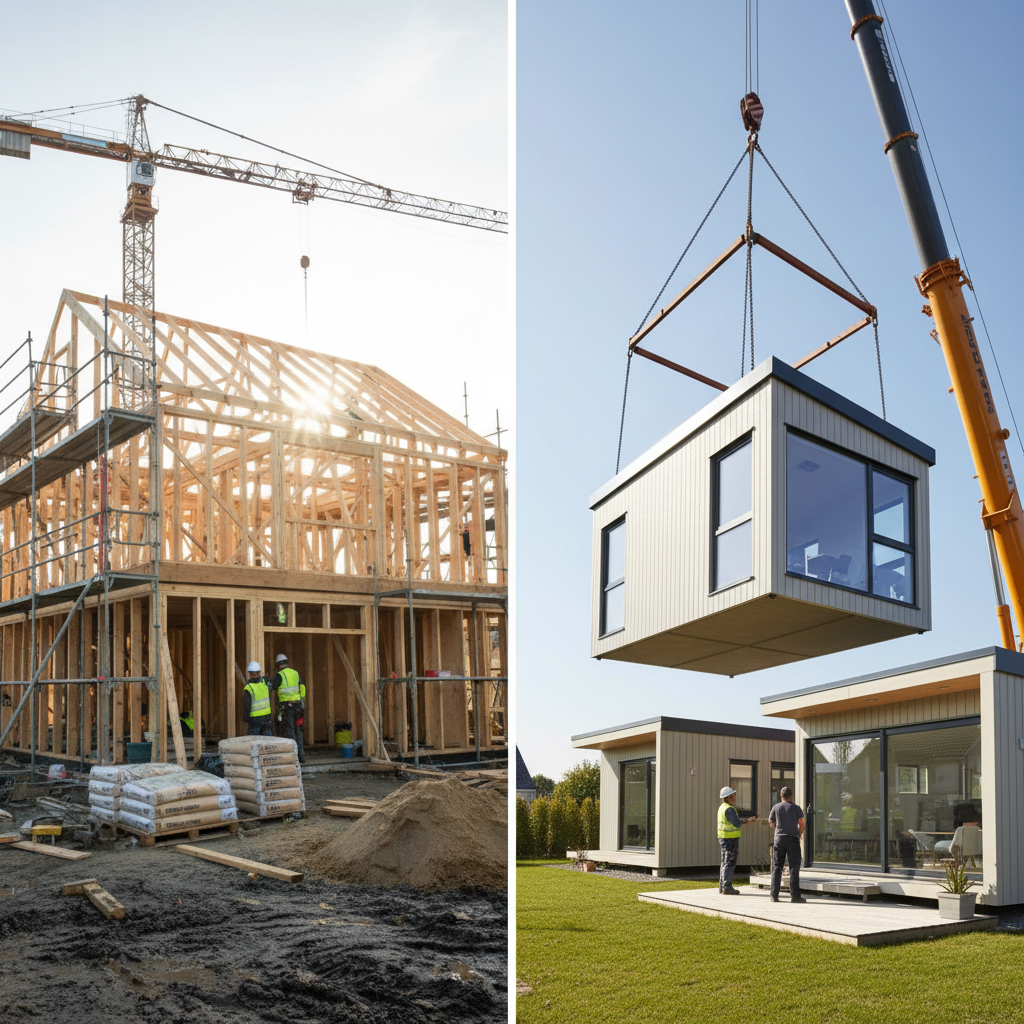
Prebuilt houses have surged in popularity within modern construction markets, driven by their distinct advantages in efficiency, cost, and sustainability. According to a 2022 report by the McKinsey Global Institute, prefabricated building methods can reduce construction time by 30-50% compared to conventional construction. This time-saving benefit is crucial in addressing the growing housing shortages seen in urban areas, allowing developers to quickly respond to increasing demand.
Moreover, prebuilt houses often utilize innovative materials and designs that enhance energy efficiency. The U.S. Department of Energy reports that factory-built homes can be 10-20% more energy-efficient than site-built homes due to better insulation techniques and controlled manufacturing environments. This aspect not only lowers the utility costs for homeowners but also aligns with global sustainability goals, making prebuilt houses an attractive option for environmentally-conscious buyers.
Overall, the trend toward prebuilt homes is supported by both economic and ecological reasons, marking a shift in how people perceive modern living solutions.
Analysis of Sustainability Trends in Prefabricated Housing Solutions
The rise of prefabricated housing is closely aligned with contemporary sustainability trends, as more individuals seek eco-friendly living solutions. According to a report by the U.S. Green Building Council, residential buildings contribute to approximately 20% of greenhouse gas emissions, prompting a shift towards more sustainable practices in construction. Prefabricated homes, made from energy-efficient materials and designed for minimal waste, present a viable alternative that significantly reduces the carbon footprint compared to traditional building methods.
One key trend is the use of modular design, which allows for the efficient incorporation of renewable energy technologies, such as solar panels and green roofing. A study by the Global Institute of Sustainable Housing indicates that prefabricated structures can save up to 50% in energy consumption throughout their lifecycle. As a result, modern prefab homes not only offer functionality and aesthetic appeal but also enhance environmental responsibility.
**Tips:** When considering a prefabricated home, explore options that prioritize sustainable materials and energy-efficient technologies. Look for companies that adhere to LEED (Leadership in Energy and Environmental Design) standards, ensuring that your home is built with sustainability in mind. Additionally, consider prefabs designed with longevity and recyclability in focus to further contribute to a sustainable future.
Top 10 Prebuilt Houses That Offer Modern Living Solutions
Model
Size (sq ft)
Price ($)
Sustainability Features
Energy Efficiency Rating
EcoNest
800
100,000
Solar panels, Rainwater harvesting
A+
GreenBox
1000
120,000
Insulated walls, Energy-efficient appliances
A
SustainHome
900
110,000
Recycled materials, Green roof
A+
Modular Living
850
95,000
Smart home technology, Low VOC materials
B+
NatureHouse
750
85,000
Biodegradable materials, Passive design
A
SmartCabin
700
70,000
Solar hot water, Smart thermostat
A+
EcoChic
950
115,000
LED lighting, Low-flow fixtures
A
ZenSpace
800
90,000
Green insulation, Ecosystem-based landscaping
B+
UrbanEco
900
105,000
Vertical gardens, Efficient HVAC systems
A+
EcoSphere
850
98,000
Green energy solutions, Sustainable materials
A
Cost Comparison: Prebuilt Houses vs. Traditional Home Building Methods
When considering homeownership, the cost of constructing a house using traditional methods can be daunting. Traditional building often involves lengthy timelines and significant labor costs, which can lead to a final price that surprises many prospective homeowners. In contrast, prebuilt houses or modular homes offer a streamlined alternative that can significantly reduce expenses. By factory-constructing these homes, builders minimize waste and optimize labor efficiency, enabling a more affordable price point that appeals to a wider audience.
Furthermore, the cost comparison between prebuilt houses and traditional building methods reveals a compelling case for the former. On average, prebuilt houses can save buyers between 10-30% on construction costs. This saving stems not only from decreased labor costs but also from economies of scale that factory production provides. Additionally, prebuilt homes are often completed in a fraction of the time it takes to build a traditional house, meaning homeowners can move in sooner and start enjoying their investment without the extended waiting period.
Technological Innovations Driving the Growth of Prebuilt Homes
The rise of prebuilt homes has been significantly influenced by technological innovations that enhance efficiency, sustainability, and affordability. According to a report by the McKinsey Global Institute, the construction industry is poised to benefit from technologies such as modular construction and advanced manufacturing processes, potentially reducing construction time by up to 50%. This shift towards prefabrication not only accelerates the building process but also minimizes waste, aligning with the growing demand for sustainable living solutions.
Moreover, advancements in smart home technology have made prebuilt houses more attractive to modern homeowners. A study by Grand View Research highlights that the global smart home market is expected to reach $174 billion by 2025, with a substantial share attributed to prebuilt homes equipped with smart features. These innovations include energy-efficient systems, automated controls, and enhanced security features, all of which contribute to a more convenient and sustainable lifestyle. As prebuilt homes evolve with these advancements, their appeal continues to expand, catering to consumers seeking both modernity and practicality in their living spaces.
Top 10 Prebuilt Houses That Offer Modern Living Solutions
This chart represents the growth in the adoption of various technological innovations in prebuilt homes over the years. The data illustrates how features like energy efficiency, smart home technology, sustainable materials, and modular design have contributed to the rising popularity of prebuilt houses.
Consumer Preferences: Why Modern Buyers Choose Prebuilt Housing Options
In recent years, consumer preferences have shifted significantly towards prebuilt housing options, driven by the demand for efficiency, sustainability, and design flexibility. Modern buyers are increasingly drawn to the idea of homes that can be assembled quickly and with minimal environmental impact. Prefabrication allows for a streamlined construction process, reducing traditional delays and costs while maintaining high quality. As a result, many new homeowners find themselves opting for these innovative solutions, which align with their desire for convenience without compromising on style.
Moreover, the versatility offered by prebuilt houses appeals to modern buyers who seek personalized living spaces. Many companies allow customization, enabling homeowners to choose layouts, finishes, and features that reflect their individual tastes and lifestyles. This flexibility caters not only to first-time buyers but also to aging populations looking to downsize or access more accessible living arrangements. Ultimately, as the construction landscape evolves, prebuilt homes have emerged as an attractive modern solution, fulfilling buyers' preferences for quick, sustainable, and tailored housing options.