Top Modular Homes in Canada Where Innovation Meets Affordability?
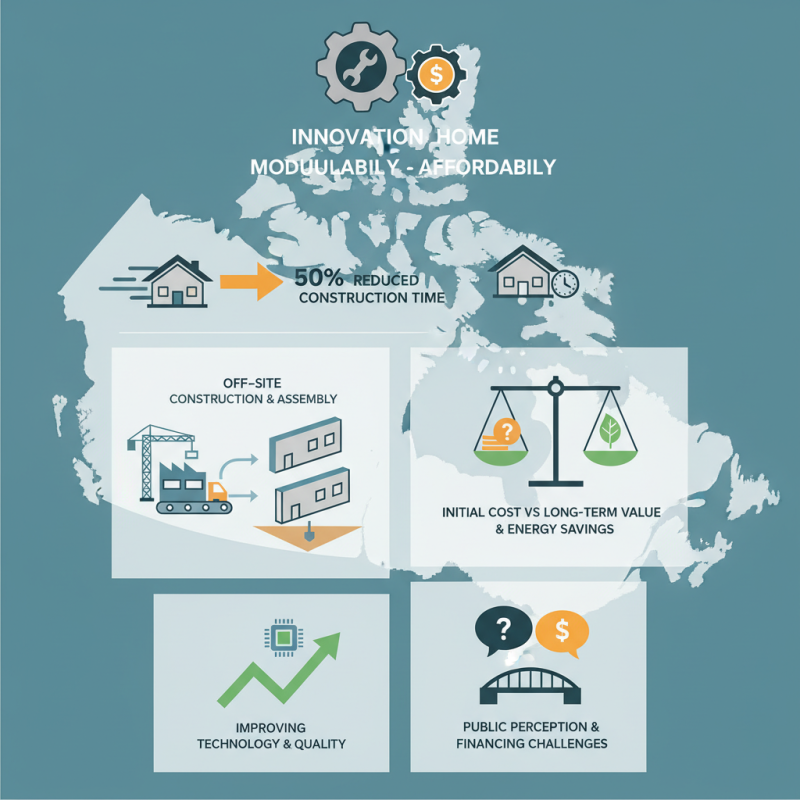
The landscape of housing in Canada is changing rapidly. Modular homes, Canada’s growing trend, promise affordability and innovation. According to a 2022 report by the Canadian Modular Home Association, these homes can reduce construction time by up to 50%. This efficiency caters to the high demand for housing across urban areas.
Modular homes are constructed in sections off-site and then transported for assembly. This method allows for precise engineering and customization. However, the initial costs can still be a concern for many. Those considering this option might question the long-term value and durability. It’s essential to weigh these factors against the quick timeline and potential energy savings.
The future of modular homes in Canada looks promising. As technology advances, quality is expected to improve continuously. Yet, there remain challenges in public perception and financing options. Exploring the balance between modern design and affordability is crucial for many buyers in today’s market.
Top Trends in Modular Home Design for Affordability in Canada
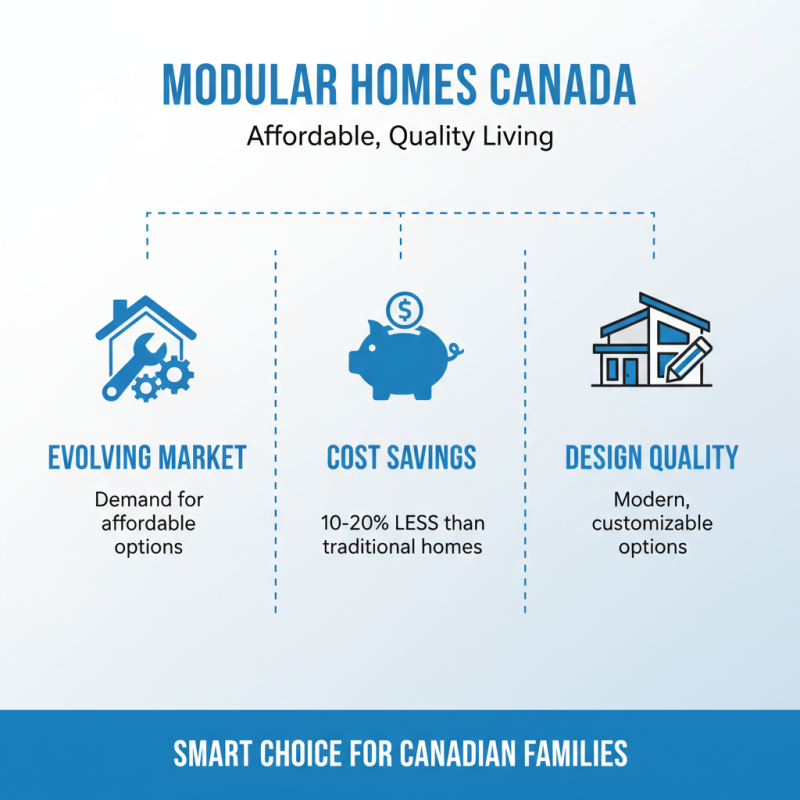
The modular home market in Canada is rapidly evolving. Many buyers seek affordable living options without sacrificing design quality. Industry data indicates that modular homes can cost 10% to 20% less than traditional homes. This presents a compelling choice for many families.
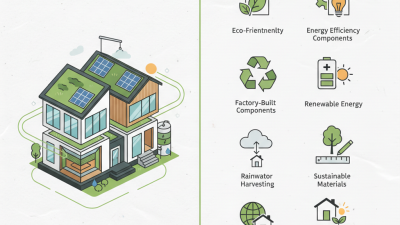
Sustainability is a major trend in modular home design. Eco-friendly materials and energy-efficient technologies are becoming standard. Reports state that homes using sustainable practices can reduce energy costs by as much as 30%. However, not all builders are fully embracing these innovations. Improvements and investments are still needed in many areas.
Customization is gaining traction as well. Homebuyers desire spaces tailored to their needs and tastes. The rise in popularity of open floor plans speaks to this trend, offering flexibility. Yet, some modular homes still struggle with limited design choices. This imbalance challenges the industry to meet the diverse demands of homeowners while maintaining affordability.
Innovative Materials Used in Canadian Modular Homes
In recent years, modular homes in Canada have embraced innovative materials. These materials not only enhance sustainability but also improve energy efficiency. For instance, cross-laminated timber is becoming popular. This engineered wood product is lightweight yet strong. It allows for faster construction with minimal waste. Many builders are opting for this material due to its eco-friendly nature.
Another exciting trend is the use of recycled materials. Some homes feature reclaimed wood or repurposed insulations. This approach reduces waste and gives each home a unique charm. However, sourcing these materials can be challenging. Not every region has access to sufficient supplies. Additionally, there can be questions about durability over time, prompting further reflection on their use.
Innovative technology also plays a role. Smart home features are increasingly integrated into modular designs. These systems can optimize energy use and improve convenience. While the benefits are clear, they can complicate installations. Not all homeowners know how to maintain such systems. Therefore, ongoing education and support are essential. These advancements show promise, yet they come with their own set of challenges.
Top Modular Homes in Canada: Innovation Meets Affordability
Benefits of Modular Homes versus Traditional Housing in Canada
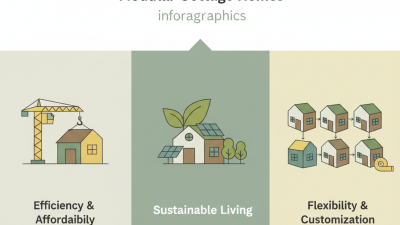
In recent years, modular homes have gained popularity in Canada. They offer a range of benefits compared to traditional housing. For many, affordability stands out as a key advantage. Modular homes are often less expensive to build. They save time and labor costs due to their factory production. This process can significantly reduce the overall expenses involved in home construction.
Another benefit lies in their efficiency. Modular homes are built to high standards with less waste. This means more sustainable practices in the housing market. They can be designed in various styles, catering to different tastes. However, some may find a lack of customization options a downside. Each design must balance innovation with practicality. It’s essential for buyers to consider their long-term needs when choosing a home type. Reflecting on these factors is vital for making an informed decision.
Top Modular Homes in Canada Where Innovation Meets Affordability
Features
Modular Homes
Traditional Homes
Cost Efficiency
Lower overall cost due to reduced labor and material costs
Higher costs due to on-site construction
Construction Speed
Built in a factory setting, usually completed in weeks
Can take months to years depending on weather and labor
Customization Options
Various designs and layouts available
Customization can be expensive and limited
Energy Efficiency
Often designed with energy-efficient materials
Varies greatly depending on construction methods
Maintenance
Generally requires less maintenance due to modern construction
Can require significant upkeep, especially older homes
Resale Value
Value can appreciate well if updated and maintained
Traditional homes often have a stable resale market
Leading Regions for Modular Home Development Across Canada
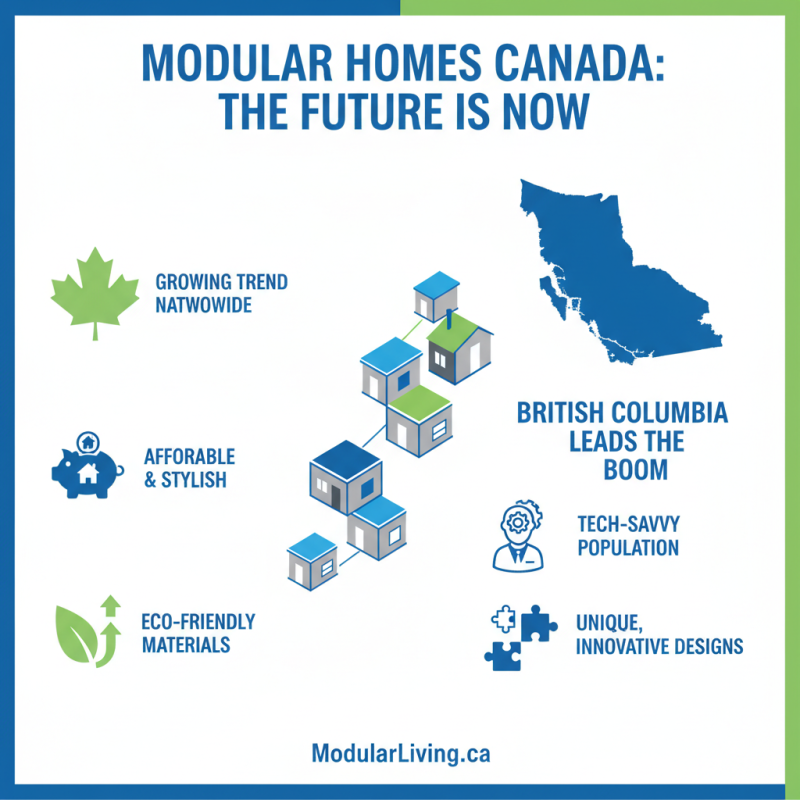
Modular homes are gaining traction across Canada. These innovative residences provide a blend of style and affordability. Some regions stand out for modular home development. The demand for these homes is booming in British Columbia. The tech-savvy population appreciates unique designs and eco-friendly materials.
Ontario, with its diverse population, also embraces modular living. Here, modular homes can cater to various family sizes. However, challenges arise in zoning regulations and construction permits. Navigating bureaucracy can be frustrating and time-consuming.
Quebec's modular market is expanding as well. The province is known for its architectural creativity. Homebuyers in Quebec seek customizable solutions. Yet, they often face limitations in available land and resources. Finding the perfect spot can be a difficult journey. Each region presents a distinct experience in modular home living, offering potential buyers ample choices and challenges.
Case Studies of Successful Modular Home Projects in Canada
In Canada, modular homes are redefining affordable housing. A study from the Canada Mortgage and Housing Corporation highlights that modular construction can cost 10-15% less than traditional building methods. This cost-effectiveness is particularly evident in successful projects across the country. For instance, a recent project in British Columbia demonstrated how modular homes can be completed in half the time compared to conventional builds.
These homes often use advanced materials and technologies that enhance energy efficiency. A report by the Canadian Home Builders' Association reveals that modular homes can reduce energy consumption by over 20%. However, challenges exist. Site preparation and local regulations can hinder progress. Potential buyers often express concerns about the long-term durability of modular homes. These are valid points that need addressing.
One standout case is a community in Ontario where modular homes made a substantial impact. This project addressed homelessness and provided affordable housing. Despite initial challenges, it has become a model for future developments. Yet, issues like land scarcity and public perception still pose hurdles. As the industry grows, refining designs and improving community acceptance remain crucial tasks.