China Top Natural Specimen Suppliers for Global Buyers
China Top Natural Specimen Suppliers for Global Buyers explores a fast-changing and highly diverse sourcing market. Natural Specimen products may include minerals, fossils, shells, botanical materials, and educational displays. Each category requires different documentation, conservation methods, and buyer checks.
Market data needs careful interpretation. The United Nations Comtrade Database records certain collectible items under HS 9705, but it does not isolate every natural specimen category. Therefore, trade values should not be treated as a complete market size. This limitation matters. It prevents exaggerated supplier claims.
China remains important because its manufacturing base supports cutting, polishing, mounting, packaging, and custom display production. A mineral supplier may ship a labeled quartz cluster in a foam-lined carton. Another may prepare classroom sets with trays, measurements, and origin notes. These details reveal operational experience more clearly than polished website language.
The CITES Trade Database provides essential reference points for specimens involving protected species. Buyers should also review customs rules, import permits, scientific names, collection locations, and export records. The ICOM Code of Ethics for Museums emphasizes provenance, documentation, and responsible acquisition. These principles apply to commercial buyers too.
This guide compares Chinese suppliers through product consistency, laboratory or grading support, packaging quality, communication, and compliance awareness. It also considers response time and sample accuracy. No supplier is perfect. Photos can hide size differences, repairs, unstable pigments, or unclear origins. Independent verification remains necessary.
Reliable sourcing is not simply about low prices. It is about traceable products, honest descriptions, and safe delivery. That standard protects buyers, educators, collectors, and the natural heritage behind every specimen.
Types of Natural Specimens Supplied by Chinese Companies
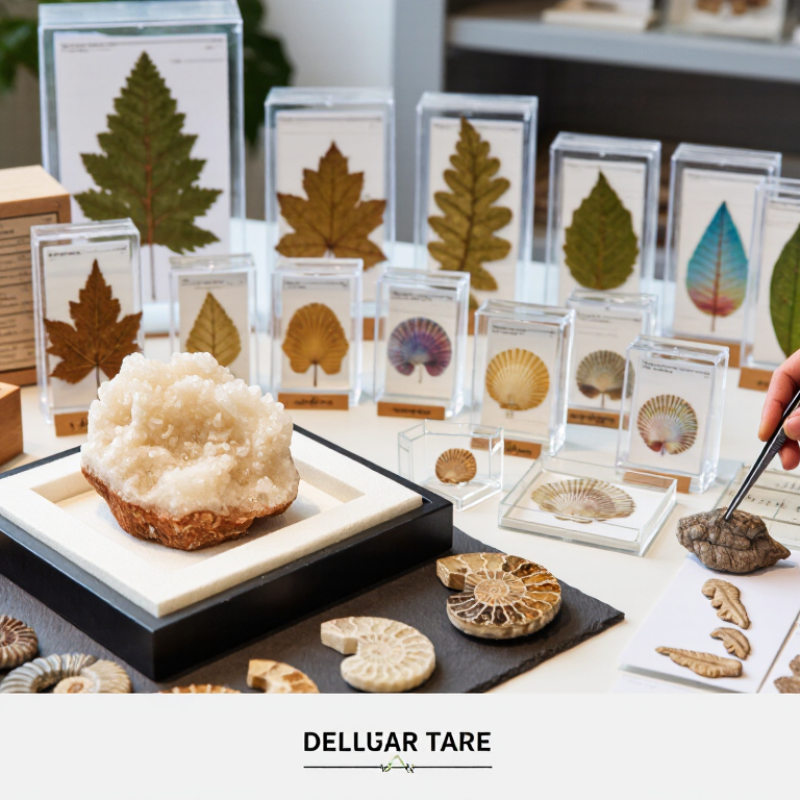
Chinese natural specimen suppliers serve museums, schools, laboratories, and private collectors worldwide. Their product ranges often begin with botanical specimens, including pressed leaves, flowers, roots, seeds, and labeled herbarium sheets. These materials usually include collection dates, locations, scientific names, and preparation methods. Good documentation matters more than bright color.
Geological specimens form another important category. Suppliers provide polished and rough minerals, crystal clusters, rocks, ores, and regional geological samples. Some prepare thin sections for classroom microscopes or research demonstrations. Fossil specimens are also available, including ammonites, plant impressions, shell fragments, and small vertebrate traces. Buyers should request provenance records and export documentation before ordering. A dramatic appearance proves little.
Some Chinese companies supply insect displays, shells, and ethically sourced educational specimens. Responsible suppliers clarify whether materials are captive-bred, naturally deceased, cultivated, or legally collected. They should also explain preservation chemicals, packaging methods, and humidity controls. Wooden crates, foam supports, and sealed bags reduce damage during long transport. Labels can still contain mistakes. I have seen inconsistent species names and incomplete location data, so independent verification remains wise. Customs rules differ by destination, especially for biological materials, fossils, minerals, and protected species. Clear photographs, specimen dimensions, permits, and invoices help buyers assess each shipment before payment.
China Top Natural Specimen Suppliers for Global Buyers
Types of Natural Specimens Supplied by Chinese Companies
Mineral and geological specimens represent the broadest supply category, followed by fossils, shells, insects, botanical specimens, and zoological materials. The chart shows an indicative category distribution for the Chinese natural specimen supply market and does not represent data from any individual company or brand.
How to Evaluate China’s Natural Specimen Suppliers
China Top Natural Specimen Suppliers for Global Buyers
How to Evaluate China’s Natural Specimen Suppliers
A reliable supplier should explain each specimen’s identity, origin, and collection history. Ask for scientific names, locality records, acquisition dates, and clear specimen photographs. For minerals and fossils, request measurements, weight, repairs, and treatment disclosures. For biological materials, check applicable permits before discussing shipment. The CITES Trade Database shows how closely international trade can depend on species identification and documentation. A vague label is a serious warning.
Supplier evaluation should include a video inspection, sample order, and packaging test. Check whether the item matches its description under natural light. Examine cracks, resin filling, artificial coloring, and replaced parts. Request a commercial invoice, packing list, certificate of origin, and export documents when required. UN Comtrade data can help compare trade patterns, but it cannot prove a specimen’s legal provenance. That limitation matters.
Look for documented quality procedures, not polished promises. The ISO Survey of Management System Standard Certifications can help buyers understand the value of certified quality systems, although certification does not guarantee authenticity. Ask about batch records, inspection photos, moisture control, and damage claims. Strong suppliers answer precisely. Weak ones avoid details. One practical lesson is uncomfortable: a beautiful specimen can still have incomplete records. Price should come after provenance, compliance, and condition.
Key Sourcing Regions and Production Capabilities in China
China’s natural specimen supply network is concentrated in regions with distinct geological and ecological resources. Yunnan and Guangxi are known for colorful minerals, crystalline formations, and unusual rock textures. Hunan and Jiangxi offer strong cutting, polishing, and finishing capabilities. Inner Mongolia and Xinjiang provide access to desert minerals, agates, and sedimentary materials. Regional strength matters, but boundaries are not absolute.
Many suppliers combine local collection networks with centralized workshops. These facilities sort rough material, remove surface dust, stabilize fragile pieces, and prepare display-ready samples. Experienced workshops can preserve natural edges while improving clarity and handling safety. They may also provide measurements, high-resolution photographs, material descriptions, and batch packing. Small details matter. A specimen can look excellent online yet arrive with hidden fractures.
Professional buyers should request origin records, processing notes, and recent inspection images. Reliable suppliers normally explain what was naturally formed and what was modified. They should also discuss export documentation and destination-country requirements before production. This is especially important for fossils, protected biological materials, and restricted geological resources. Legal sourcing is not optional.
In practice, quality control can remain uneven. Some regional suppliers have strong technical skills but limited English documentation. Others present polished catalogs without consistent grading standards. Buyers should compare several samples, confirm tolerance levels, and use independent inspection when order value is high. A clear specification sheet often prevents more trouble than a lower quotation.
Export Standards, Documentation, and Buyer Compliance
China Top Natural Specimen Suppliers for Global Buyers
Export Standards, Documentation, and Buyer Compliance
Reliable natural specimen suppliers treat compliance as part of product quality. Each specimen should have a clear scientific name, origin record, and traceable batch number. Photos alone are not enough. Buyers need evidence.
Before shipment, confirm the destination country’s import rules. Requirements may include collection permits, export licenses, species declarations, phytosanitary certificates, or CITES documents where applicable. Minerals may require different customs classifications and testing records. A commercial invoice should state the item description, quantity, value, and country of origin. The packing list must match the actual contents. Small differences can cause delays.
Packaging also matters. Use sealed bags, rigid boxes, moisture control, and protective labels when needed. Labels should remain readable after handling. Suppliers should provide copies of permits before dispatch, not after customs questions arise. Chain-of-custody records are useful for museums, universities, and regulated buyers. They show who handled the specimen and when.
Details matter most.
In practice, some documents still contain inconsistent names or outdated tariff codes. Buyers should review every file against the purchase order and local regulations. Even experienced teams can miss a translation error. No checklist replaces professional customs advice. A careful supplier welcomes questions, corrects unclear records, and refuses uncertain shipments. That behavior protects the buyer’s schedule, reputation, and legal responsibilities.


 Your message must be between 20-3,000 characters!