What Are the Top 10 Canopy Outdoor Types for Buyers?
Choosing the right Canopy Outdoor structure is more than comparing colors, prices, and attractive product photos. Buyers must consider weather, available space, intended use, installation effort, and long-term maintenance. A compact pop-up canopy may suit weekend markets, while a gazebo, pergola, or commercial shelter may better support frequent outdoor activities.
This guide examines ten popular canopy types from a practical buyer’s perspective. It considers frame materials, fabric performance, ventilation, drainage, portability, and anchoring stability. Details matter. A steel frame can provide dependable strength, but it may increase weight and require rust protection. Aluminum is easier to carry, although some lightweight models may feel less rigid in strong wind.
Look closely.
Real outdoor experience often reveals weaknesses that specifications hide. A canopy can appear spacious but provide limited headroom near the edges. Waterproof fabric may still allow leaks around seams or poorly fitted roof panels. Buyers should check supplier information, warranty terms, replacement parts, and relevant safety guidance before purchasing. No single design is perfect for every location. That is worth admitting. The best option depends on how often the canopy will be used, who will assemble it, and what conditions it must handle. This overview offers a balanced starting point, helping buyers compare the top ten Canopy Outdoor types with clearer expectations and fewer expensive surprises.
What Defines an Outdoor Canopy and Its Main Categories
An outdoor canopy is a roofed structure that creates shade, shelter, or a defined gathering area. It may stand independently or attach to a building. Most canopies use fabric, metal, wood, or polycarbonate panels. Their main categories include portable, permanent, freestanding, and wall-mounted designs. Buyers should match the structure to weather, space, and expected use.
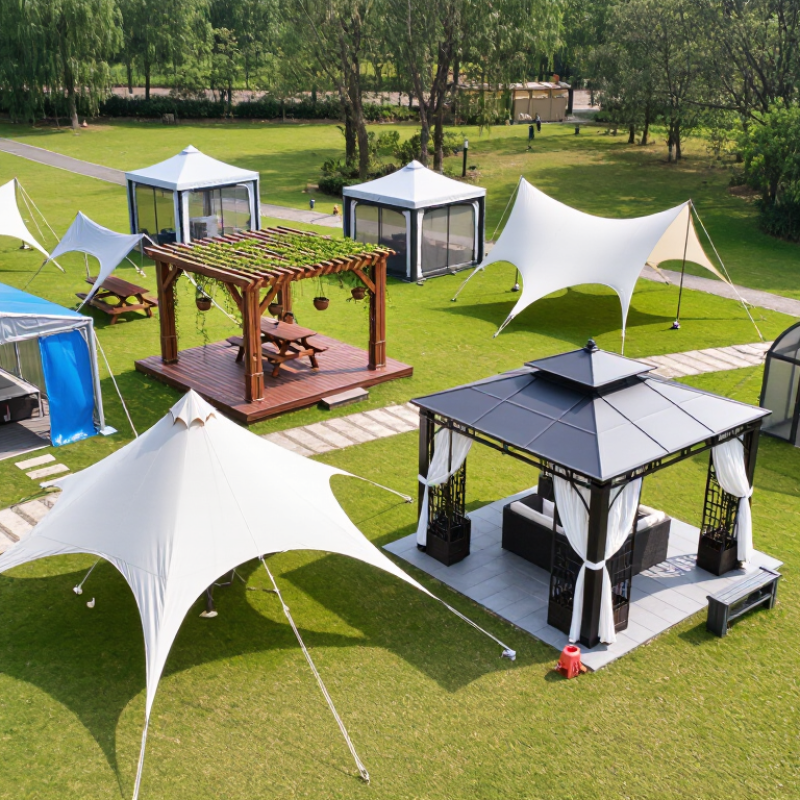
The top ten canopy outdoor types are pop-up, pergola, gazebo, pavilion, sail, lean-to, market, carport, tunnel, and dome canopies.
Pop-up models suit weekend events and small patios. Pergolas provide filtered sunlight, while gazebos offer enclosed comfort. Pavilions handle larger gatherings. Sail canopies create modern shade with minimal visual weight. Lean-to structures work well beside walls.
Market canopies support stalls and temporary displays. Carports protect vehicles. Tunnel designs cover walkways, and dome models resist some wind effectively. However, no canopy performs perfectly in every climate.
Tips: Check frame joints, drainage, fabric ratings, and anchoring points before purchase. Measure the ground twice. I have seen buyers focus on appearance and underestimate wind exposure. That mistake can become expensive. Leave enough clearance for doors, furniture, and safe movement. For permanent installations, ask a qualified local professional to review foundations and structural loads. Better planning usually matters more than decorative details.
The Top 10 Outdoor Canopy Types Explained by Design and Function
Outdoor canopy choices reflect different designs and practical jobs.
A pop-up canopy uses folding frames for markets, patios, and short events.
A pergola offers open slats, partial shade, and a permanent architectural feel.
A gazebo adds enclosed roof coverage, often with screened sides for dining.
A sail shade stretches fabric between strong anchor points, creating a light, sculptural profile.
A cantilever canopy keeps posts away from seating, which helps cover tables or pool edges.
A lean-to canopy attaches to a wall and suits narrow patios. A pavilion provides a broad, freestanding roof for outdoor kitchens, dining, or gatherings.
A tunnel canopy creates sheltered walkways between buildings or activity areas. A frame canopy uses modular metal sections, making larger installations more adaptable.
An inflatable canopy sets up quickly, but air pressure and wind deserve close attention.
It looks simple.
It is not maintenance-free.
Grand View Research estimated the global outdoor furniture market at approximately US$23 billion in 2023, with continued growth projected through 2030.
That trend supports demand for integrated shade, dining, and leisure spaces, but it does not make every canopy suitable.
Buyers should check fabric UV ratings, drainage, anchoring, head clearance, and local wind requirements.
A common field mistake is choosing roof size before studying sun movement. I would also question “all-weather” claims unless testing details are available.
For reliable comparison, review manufacturer specifications, installation instructions, and recognized structural guidance such as ASCE 7-22.
How Different Canopy Types Compare in Size, Materials, and Durability
Pop-up, frame, pole, tension, sail, gazebo, pergola, retractable, carport, and beach canopies serve different buying situations. Pop-up models commonly measure 10 by 10 feet, while commercial frame systems can exceed 20 by 40 feet. Polyester is light and affordable. Acrylic and solution-dyed fabrics usually resist fading better. Aluminum reduces corrosion and lifting weight. Steel frames normally offer greater rigidity, but they demand protective coatings and careful storage.
The Freedonia Group’s Outdoor Living Products analysis identifies continued interest in shade and outdoor comfort, while the U.S. Bureau of Economic Analysis reported a $639.5 billion outdoor recreation economy in 2023. These figures do not prove that every canopy will sell well. They do show a substantial setting for outdoor shelter purchases. A beach canopy needs flexible fiberglass poles and sand anchors. A carport needs galvanized steel, deeper anchoring, and stronger roof tension. Pergolas provide structure, but fixed louvers often handle weather better than fabric roofs.
Durability depends on more than fabric weight. The International Code Council’s 2024 building guidance uses site-specific wind-speed data, so a universal “windproof” claim deserves caution. Check frame joints, seam quality, UV ratings, drainage, and replacement-part access. A tension canopy often sheds rain efficiently. A sail canopy creates less enclosed space. Retractable types offer convenience, but their moving hardware may require more maintenance. My judgment is imperfect: buyers often compare dimensions first, although anchoring and local weather usually matter more. A larger canopy can become a liability when its base is too light.
Which Outdoor Canopy Best Fits Each Use, Space, and Weather Condition
What Are the Top 10 Canopy Outdoor Types for Buyers?
The right canopy depends on purpose, available space, and local weather. A pop-up canopy suits weekend markets, garden parties, and quick shade. A straight-leg canopy offers more usable floor space than a slant-leg model. For small patios, a wall-mounted awning can protect a doorway without blocking movement. A compact gazebo works well over outdoor dining areas, especially when screened panels reduce insects.
A pergola creates a semi-open structure for climbing plants and mild sunlight. It is attractive, but it will not replace a waterproof shelter. A shade sail fits irregular yards and can cover a play area with little ground space. Measure anchor points carefully.
A beach canopy needs lightweight fabric and corrosion-resistant fittings, while a heavy-duty frame canopy handles repeated setup and stronger breezes. I once underestimated wind exposure in an open yard. The canopy looked secure, but its sidewalls acted like sails.
For vehicles, a carport canopy needs greater height, strong joints, and reliable ground anchoring. A patio canopy with a retractable roof gives flexible control over sun and light rain. A commercial canopy is better for frequent events because reinforced corners and replaceable covers reduce maintenance delays. In wet climates, choose sloped fabric and sealed seams. In snowy regions, avoid designs that collect weight overhead. Check every connection after storms. Small weaknesses become expensive problems. A beautiful canopy is not always the safest choice for its location.
Key Buying Factors: Setup, Maintenance, Safety, and Long-Term Value
Outdoor canopies come in many forms, including pop-up shelters, pergolas, gazebos, shade sails, pavilions, carports, retractable roofs, lean-to covers, event tents, and poolside structures. Each type serves a different buyer. A pop-up canopy suits occasional gatherings, while a fixed pavilion offers stronger long-term protection. Setup time matters. A shelter that needs three people and heavy tools may become inconvenient quickly.
Inspect the frame, joints, fabric, drainage, and anchoring system before buying. Powder-coated metal can resist corrosion, but scratches still need attention. Fabric should dry completely after rain to reduce mildew. Safety depends on stable bases, proper spacing, and secure tie-downs. Never rely on weight alone during strong wind. Fixed structures may need professional installation, especially when attached to a building. I have seen attractive covers fail because owners underestimated water runoff.
Tips: Measure the usable area, not only the canopy footprint. Leave room for chairs, walking paths, and opening doors. Check replacement fabric and hardware availability before purchase. Compare the warranty terms carefully. A low price can hide frequent repairs. Also, consider seasonal storage, cleaning access, snow loads, and sunlight direction. Some retractable designs look convenient, but their mechanisms can require more maintenance than expected. Recheck anchors after storms. Small movements can become serious damage.
Scores use a practical 1–10 buyer benchmark, where higher values indicate easier setup, simpler maintenance, stronger safety potential, and better long-term value. Permanent structures generally score higher for durability, while portable canopies score higher for flexibility and setup convenience.