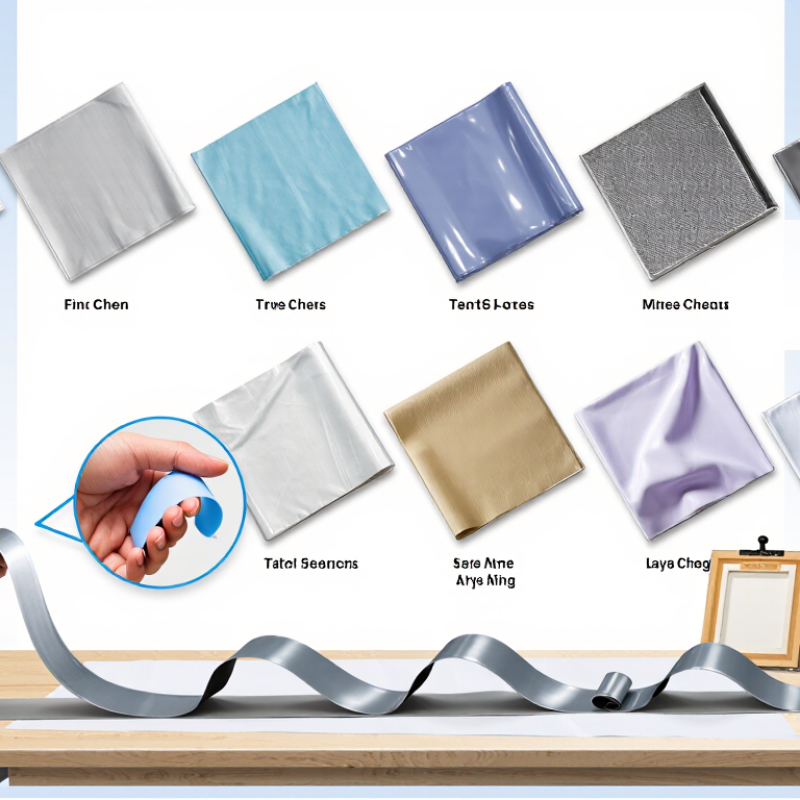
Silicone Ink is often chosen when textile printers need flexible, durable graphics that retain a soft hand. On a workshop table, the difference can be tangible: a cured print bends with a stretch fabric instead of cracking at the fold. Results still depend on the ink system, fabric, mesh, application, and curing conditions. Silicone Ink is not a shortcut around process control.
For a clearly identified illustrative perspective, fictional silicone-ink applications specialist Maya Chen puts it this way: “A reliable print starts with matching the ink to the fabric, then proving the cure.” This is an original example, not a verified quotation from a real expert. The principle is practical: test adhesion, stretch, wash performance, and surface feel on the actual garment. Small setup changes matter.
This guide examines why printers consider Silicone Ink, including its flexibility, opacity, durability, and suitability for performance textiles. It also looks at trade-offs. Some formulations require careful mixing and precise curing, and a print that looks smooth under shop lights may feel different after washing. That part deserves attention. Comparing samples under real production conditions is more useful than relying on claims alone. No single ink is ideal for every fabric or design, and the best choice may involve compromises. That is worth saying plainly.
In textile printing, silicone ink is a pigment-bearing ink made with silicone polymers. After curing, it forms a flexible layer on the fabric rather than behaving like a conventional water-based dye. The print can feel smooth or raised, depending on the ink and screen setup. It is commonly used for stretch garments, sportswear details, and textured graphics. Not every fabric. Fiber type, surface finish, and curing conditions all affect adhesion and the final hand feel.
Textile Exchange’s Materials Market Report 2024 estimates that global fiber production reached about 124 million tonnes in 2023, with polyester making up roughly 57 percent. That scale helps explain why printers need coatings that can handle synthetic fabrics, though the report does not assess silicone inks themselves. In production, test a small swatch first: check stretch recovery, wash performance, and whether the cured print feels too thick. Silicone ink can suit demanding applications, but it is not automatically the best choice. Cure settings vary by formulation, and a print that looks clean on the press may still crack after repeated stretching. That deserves a closer look.
Why Choose Silicone Ink for Textile Printing? - What Is Silicone Ink in Textile Printing?
Dimension
What Is Typical of Silicone Ink?
Why It Matters in Textile Printing
Ink composition
A specialty printing ink based on silicone polymers, formulated to form an elastomeric layer when properly cured.
The cured layer can remain flexible, which is useful for prints on stretch fabrics.
Stretch and recovery
Many silicone ink systems are designed to stretch with the garment; performance depends on the ink, fabric, print construction, and curing.
Can help reduce cracking or damage when printed garments are stretched during wear.
Surface feel
Can produce a soft, flexible or raised finish, depending on the formulation and printing method.
Offers options for tactile effects, though thicker deposits may feel more noticeable on the fabric.
Suitable fabrics
Often used on synthetic and stretch textiles, including performance garments; suitability varies by ink system and fabric finish.
Testing on the actual fabric is important, especially when it contains finishes, coatings, or blends.
Adhesion
Adhesion depends on the textile, surface treatment, ink formulation, and curing conditions.
A test print and wash testing help confirm that the print bonds reliably to the chosen material.
Curing requirements
Requires a specified curing process. Temperature, time, and equipment settings vary by product and should follow its technical instructions.
Correct curing is essential for achieving the intended adhesion and durability without damaging heat-sensitive fabric.
Durability
A properly formulated and cured print can offer good resistance to repeated flexing and laundering; actual results depend on the full print process.
Laundering and stretch tests on finished garments provide a more reliable assessment than ink type alone.
Production considerations
Printing may require compatible screens, tools, handling procedures, and curing equipment. Some systems use multiple components or have limited working time after mixing.
Check the product instructions and plan setup, cleanup, and production timing before a print run.
Best-fit applications
Often considered for stretch garments, performance apparel, and prints requiring a flexible or dimensional finish.
A suitable choice when flexibility and surface effects are priorities, provided the fabric and process are compatible.
How Silicone Ink Bonds with Fabric Fibers
Silicone ink bonds to fabric through contact, surface wetting, and curing. It usually does not soak deeply into fibers like a thin dye. Instead, the ink forms a flexible elastomeric layer that follows yarn contours and grips the fabric’s texture. This mechanical anchoring helps the print move with the cloth. Formulations and primers can also affect adhesion at the interface. That distinction matters.
Textile Exchange’s Materials Market Report 2024 estimates that global fiber production reached 124 million tonnes in 2023. That figure reflects a vast mix of textiles, not a guarantee of print performance. Polyester, cotton, blends, and coated fabrics present different surfaces. Silicone’s low surface energy can make consistent wetting difficult, especially when fabrics carry softeners or water-repellent finishes. Small details matter.
In practice, printers should check ink compatibility, fabric preparation, and cure conditions together. A print may look secure when cool, then lift after stretching or washing. It happens. Test samples under the actual production conditions, including repeated flexing and laundering, and inspect edges for peeling. A small trial can reveal problems that a neat sample swatch hides. Textile Exchange reports fiber volumes, not silicone adhesion; that limit is worth remembering.
Which Performance Benefits Set Silicone Ink Apart?
Silicone ink stands out when printed fabric needs to move without cracking. On a stretch jersey, a well-cured print can flex with the garment instead of forming brittle lines. The surface often feels smooth and slightly raised, while fine details remain visible. That balance matters.
Durability is another practical benefit. Silicone prints can resist repeated washing, abrasion, and exposure to outdoor conditions when the ink is matched to the fabric and cured correctly. A test wash is still worthwhile. For production teams, reliable curing can help keep results consistent across a run. Small changes in temperature, dwell time, or ink deposit may affect adhesion and feel, so process checks are not optional.
Opacity can also be useful on dark textiles. A controlled layer may create bright, clear graphics without making the print excessively heavy. Silicone ink is often chosen for performance garments because it can combine stretch, softness, and lasting color. Still, it is not automatically the best choice for every design. Some fabrics need special preparation, and the final hand can vary. I would test a sample before committing to a large batch. A print that looks excellent under studio lights may feel different after real wear.
Where Is Silicone Ink Used in Textile Printing?
Silicone ink is used most often on performance apparel, where prints must move with the fabric. Common examples include stretch tops, leggings, swimwear, and sports uniforms. It can create raised logos, flexible lettering, and textured grip zones. On socks or gloves, small silicone dots can help reduce slipping. The right result depends on the ink formulation, fabric, and curing conditions.
Textile Exchange’s Materials Market Report 2024 estimates global fiber production reached 124 million tonnes in 2023. Polyester accounted for 57% of that total. These figures describe the wider textile market, not silicone ink use specifically, but they show the scale of synthetic fabrics used in apparel. Silicone prints can suit polyester blends and elastane-rich fabrics when testing confirms adhesion and stretch. Scale matters.
In production, a printer may test a small swatch first, then stretch and wash it before approving a full run. The print should not crack, peel, or feel like a stiff patch against the skin. Silicone ink is also used for decorative transfers and some functional textile surfaces, though it is not ideal for every fabric or design. A thick deposit can feel heavy. This is easy to overlook.
What Factors Guide Silicone Ink Selection?
Why Choose Silicone Ink for Textile Printing?
What Factors Guide Silicone Ink Selection?
Choosing silicone ink starts with the garment, not the color chart. A smooth polyester panel can behave differently from textured cotton. Check the fiber blend, stretch, surface treatment, and risk of dye migration. Small details matter. A water-repellent finish, for example, may affect adhesion.
Match the ink to the print’s purpose and feel. For a soft athletic logo, a thin deposit may preserve stretch; a raised graphic needs more ink and careful control. Ask how the ink cures on your equipment, and verify the specified time and temperature. A rushed cure can look fine at first. Test on production fabric, then stretch and wash samples before approving a run. A swatch alone is not enough.
Also consider viscosity, opacity, and whether a primer or additive is required. These choices affect application and the finished surface, so follow the ink’s technical and safety data. Keep a record of mesh, squeegee pressure, and curing conditions; small changes can alter the result. There is no perfect formula: a softer print may give up some opacity, while a heavier layer can feel less flexible. That trade-off deserves a real fabric test, not a guess.