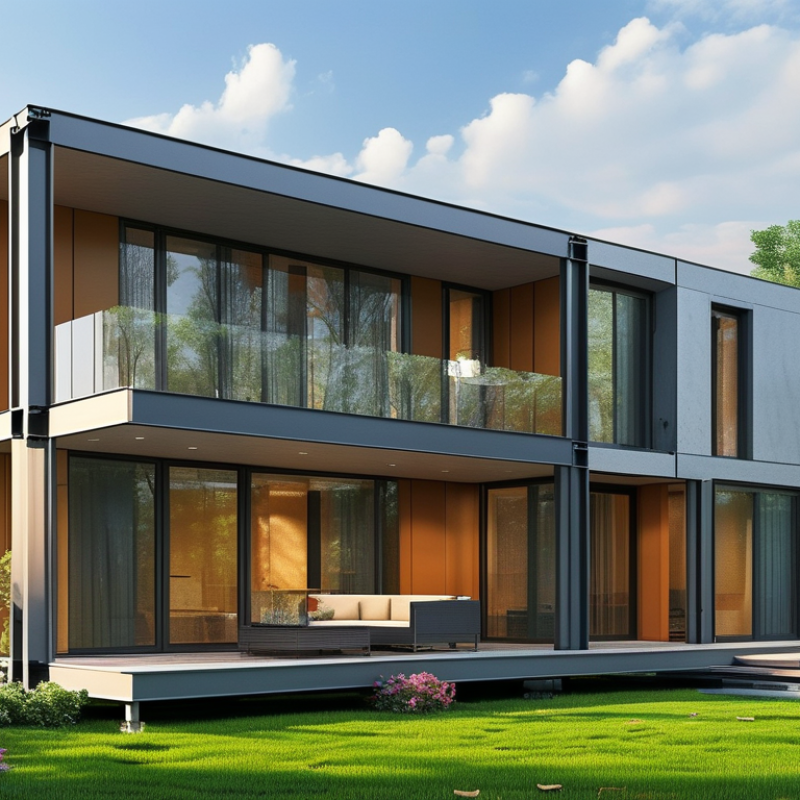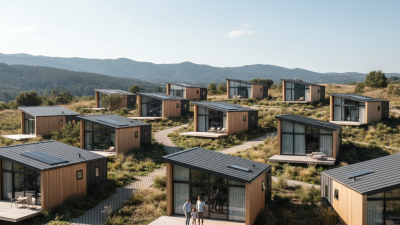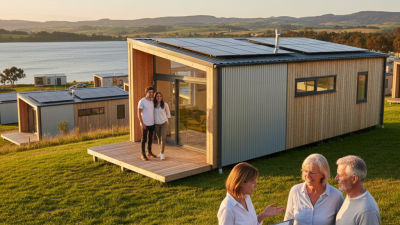
What is a prefab home kit and how can it benefit you?
Prefab home kits are revolutionizing the way we think about home construction. These kits provide ready-to-assemble components, enabling quicker and more efficient building processes. Homeowners can customize designs and manage budgets more easily. With a prefab home kit, you often experience less waste due to precise manufacturing and shipping processes.
However, while the convenience of prefab homes is clear, there are challenges. Finding dependable suppliers and ensuring quality control can be tricky. Some kits may leave you feeling overwhelmed when piecing everything together. It is important to research thoroughly before committing to a specific prefab home kit.
Ultimately, these homes are becoming a popular choice due to their affordability and sustainability. They represent a shift towards smarter living solutions for those prioritizing efficiency. Embracing prefab home kits may offer you an innovative route to achieving your dream home.
What is a Prefab Home Kit? Definition and Overview
A prefab home kit refers to a package of pre-cut and pre-designed materials for building a home. These kits usually include structural components, insulation, and sometimes even appliances. Prefab homes offer a streamlined approach to home construction, often reducing time and labor costs. This can be particularly appealing for those looking for affordability and efficiency.
When considering a prefab home kit, take the time to research your options. There are various styles and sizes available, catering to different needs. Look for detailed assembly instructions, as they affect the ease of construction. Some kits may require more skilled labor, which could impact overall cost. Assessing your skill level before starting is critical.
Building a home with a prefab kit is not just about convenience. It also offers sustainability. Many manufacturers now focus on eco-friendly materials and energy-efficient designs. This can lead to long-term savings on energy bills. However, it's vital to scrutinize every element of the kit. Some components might be lower in quality, so always ensure they meet your standards.
Benefits of Prefab Home Kits
The Process of Building with Prefab Kits: Step-by-Step Guide
Building with prefab kits can be an exciting journey. The process begins with selecting the right kit that suits your needs and budget. Once you’ve made your choice, it's crucial to prepare the site. Clearing the land and leveling the ground ensures a solid foundation. This stage often requires patience, as weather conditions can delay progress.
After site preparation, assembly begins. Follow the instructions carefully, especially with structural components. It’s easy to overlook screws and fasteners, which can lead to issues later. Some people find themselves frustrated if pieces don’t fit as expected. Be ready to troubleshoot. Staying organized with your tools will make the construction smoother.
Finally, finishing touches bring your prefab home to life. This includes insulation, plumbing, and electrical work. It’s important to check local codes to ensure compliance. Some homeowners might underestimate the complexity of these tasks. Mistakes can lead to costly fixes down the road. Engaging a professional for these steps may not be necessary, but it can save you time and stress. The entire process requires commitment. Each step is a learning opportunity, revealing the many intricacies of home construction.
Cost Comparisons: Prefab Homes vs Traditional Construction Methods
Prefab homes are gaining attention for their cost-effectiveness and efficiency. When comparing prefab homes to traditional construction methods, a few key factors emerge. Generally, prefab homes can be significantly cheaper, sometimes 10-20% less than conventional building. This difference in cost primarily arises from reduced labor expenses and shorter construction times.
One notable aspect is that traditional construction often incurs hidden costs. Unforeseen delays can lead to extra charges. On the other hand, prefab homes can provide a more predictable financial outcome. Many costs are defined upfront, reducing the risk of overspending.
Consider local zoning laws before choosing a prefab home kit. Understanding regulations can prevent future complications. Also, assess builder experience. Some companies excel in customer service and quality while others may struggle. It’s essential to conduct thorough research on different options available.
Remember that while prefab homes offer a streamlined process, challenges may still arise. If a kit does not meet your expectations or certain materials are subpar, it may lead to frustration. Hence, careful evaluation is crucial to ensure a successful project.
Sustainability and Energy Efficiency in Prefab Homes
Prefab homes are increasingly recognized for their sustainability and energy efficiency. These homes are built to reduce waste, utilizing factory production techniques. According to the U.S. Green Building Council, prefabricated homes can use up to 45% less waste compared to traditional construction methods. This reduction is critical as the construction industry accounts for a significant portion of landfill contributions.
Energy efficiency is another key advantage. Prefab homes often come equipped with high-quality insulation and energy-efficient windows. The Department of Energy reports that efficient home designs can lead to a 30% reduction in energy costs. This is especially beneficial as energy prices continue to rise. Homeowners can see lower utility bills while contributing to a decrease in carbon emissions.
However, there are challenges. While prefab homes can be more efficient, their initial costs can be higher. Land acquisition and site preparation may also add expenses. Additionally, not all prefab options are equal in terms of energy performance. It's essential to conduct thorough research and consider local energy regulations. Balancing budget constraints with sustainability goals is not always straightforward, requiring careful planning and reflection.
Customization Options: Tailoring Your Prefab Home to Your Needs
Prefab home kits provide an innovative approach to building your dream home. When it comes to customization options, you have a wide array of choices. From layout adjustments to material selections, you can tailor your prefab home to your unique lifestyle. For instance, if you love open spaces, opting for fewer walls can create a cozy yet expansive feel.
Choosing the right finishes is just as important. You might want to consider eco-friendly materials. They not only beautify your home but also promote sustainability. However, it's essential to balance aesthetics with cost. Sometimes, budget constraints may require compromises. You may find yourself re-evaluating certain features to stick to your budget.
Reflect on how each choice aligns with your needs. Customization doesn’t only shape the home’s look but also its functionality. Imagine a home office in a quiet corner or a larger kitchen for family gatherings. Envision how these decisions will enhance your daily life. Take the time to research and consider your options thoroughly before making final decisions.
What is a prefab home kit and how can it benefit you? - Customization Options: Tailoring Your Prefab Home to Your Needs
Feature
Description
Benefits
Customization Options
Ability to select floor plans, finishes, and layouts based on personal preferences.
Personalized living space that reflects individual style and needs.
Cost-Effectiveness
Lower overall costs due to reduced labor and construction time.
More budget-friendly option for home buyers.
Sustainability
Use of eco-friendly materials and energy-efficient designs.
Reduced environmental impact and lower utility bills.
Time Efficiency
Faster construction timeline compared to traditional homes.
Quick move-in process for homeowners.
Flexibility
Ability to easily expand or modify designs.
Future-proofing the home to adapt to changing needs.