What is a Prefab Home and How Does It Benefit Homeowners?
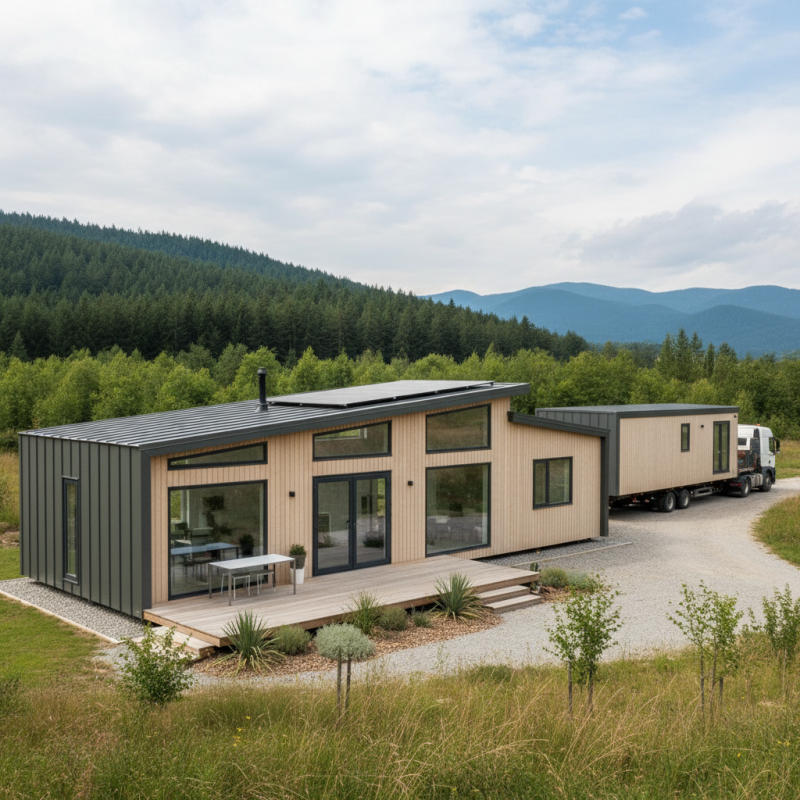
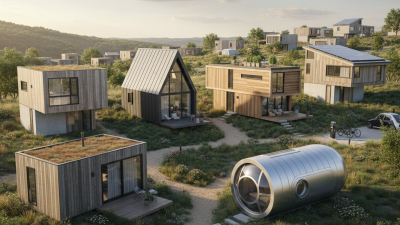
Prefab homes, short for prefabricated homes, are becoming increasingly popular among modern homeowners. In recent years, the prefab housing market has grown significantly, with a projected annual growth rate of over 5% through 2027. These homes are constructed in factories and then transported to their final locations, offering a unique blend of efficiency and customization. They often boast reduced construction waste and energy consumption compared to traditional homes.
The benefits of prefab homes are extensive. They can be built more quickly than conventional homes, saving time and money. However, some argue that prefab homes may lack the unique character found in site-built homes. Despite this, many manufacturers are now offering customizable options that allow homeowners to create a unique living space. Efficiency is key, yet practicality sometimes raises concern. Are these homes truly affordable, or do hidden costs emerge?
As more builders invest in sustainable practices, prefab homes may lead the way in eco-friendly living. While they offer many advantages, buyers should remain vigilant. Not all prefab homes are created equal. It’s essential to research various options to find the best fit for individual needs.
What is a Prefab Home? An Overview of Prefabricated Housing Types
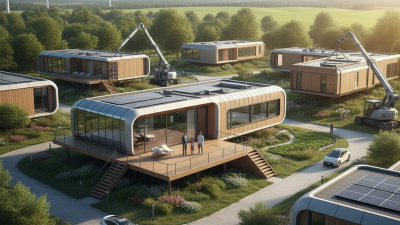
Prefab homes, or prefabricated homes, have gained popularity due to their efficiency and affordability. They are built off-site and assembled on-location, which reduces construction time. On average, a prefab home can be completed in about half the time of traditional homes. This speed can help homeowners move in sooner.
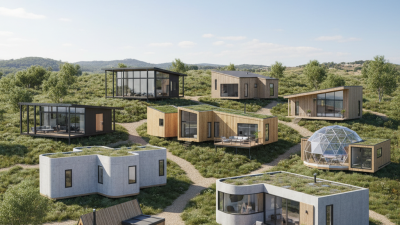
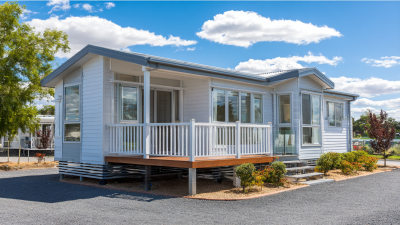
There are different types of prefab homes. Modular homes consist of sections made in a factory and transported to the site. Panelized homes use pre-cut panels, offering flexibility in design. Each type has unique benefits, but they all share a common advantage: reduced waste. A report from the National Association of Home Builders states that prefab construction can generate up to 30% less waste compared to conventional building methods.
Despite the advantages, there are challenges. Some buyers worry about the perceived quality of prefab homes. The stigma surrounding these homes can affect resale values. Additionally, zoning regulations may limit where these structures can be placed. It's essential for potential homeowners to conduct thorough research and consider these factors when choosing a prefab option.
What is a Prefab Home and How Does It Benefit Homeowners?
Feature
Benefits
Cost-Effective
Typically cheaper than traditional homes due to reduced labor costs.
Time-Efficient
Faster construction time, allowing homeowners to move in sooner.
Sustainable Materials
Often built with eco-friendly materials, reducing environmental impact.
Customization Options
Various design options allow personalization to suit homeowner preferences.
Quality Control
Construction is completed in a factory setting, ensuring better quality control.
Energy Efficiency
Designed to be more energy-efficient, resulting in lower utility bills.
Key Advantages of Prefab Homes: Cost, Time, and Efficiency Metrics
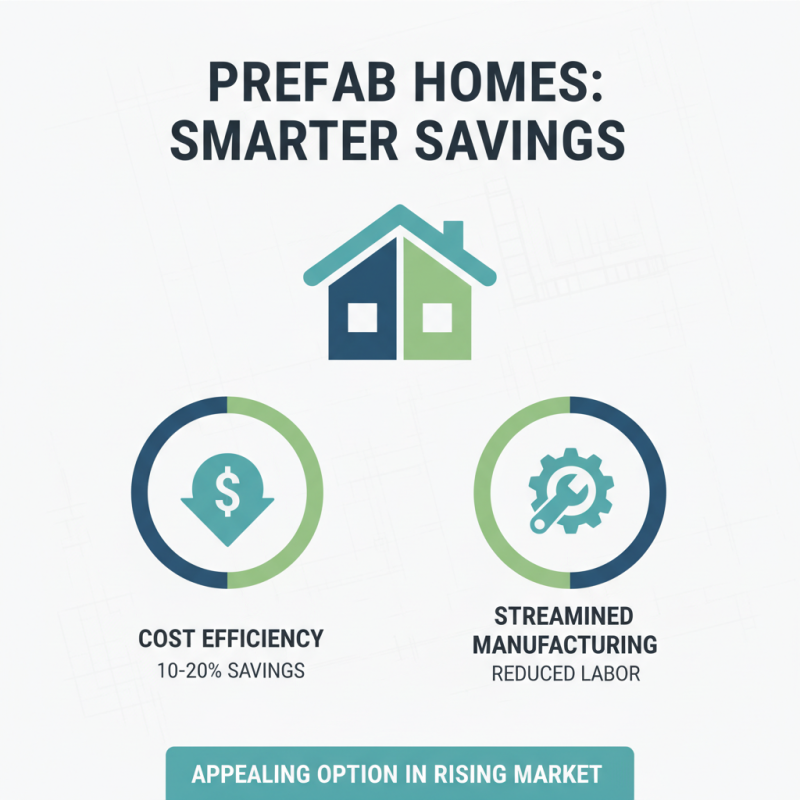
Prefab homes are gaining popularity among homeowners for several valid reasons. One significant advantage is cost efficiency. A report from the Harvard Joint Center for Housing Studies indicated that prefab homes can save homeowners up to 10-20% on construction costs compared to traditional methods. This is largely due to streamlined manufacturing processes and reduced labor expenses. With rising construction costs, many find prefab options appealing.
Time efficiency also plays a crucial role. Prefab homes are built in controlled environments. As a result, they often have shorter build times. A typical prefab home can be completed in a fraction of the time it takes for a conventional build, usually around 3 to 6 months. This rapid deployment is especially valuable during housing shortages. Despite these advantages, some may hesitate, worrying about design limits or resale value. Thus, it’s essential for potential homeowners to weigh both the benefits and limitations of prefab houses. Understanding these aspects can lead to more informed decisions.
Sustainability in Prefab Homes: Energy Efficiency and Environmental Impact
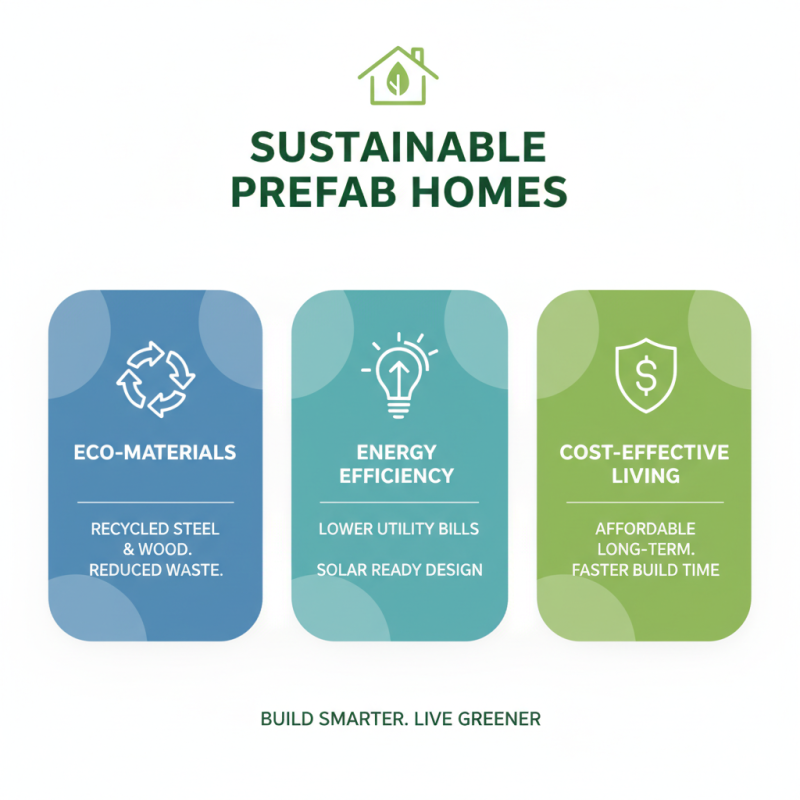
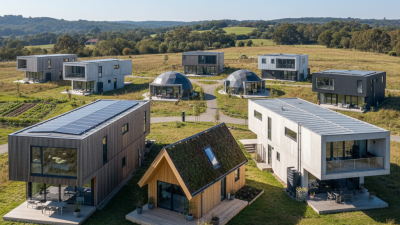
Prefab homes are gaining attention for their sustainability. They incorporate materials and designs that promote energy efficiency. Many use recycled materials, reducing waste and environmental impact. The energy efficiency of prefab homes can lower utility bills, appealing to homeowners looking for cost-effective living.
In addition, these homes are often built in controlled environments. This method reduces construction waste and keeps energy usage minimal. However, the production process can still be refined. Transportation of prefab components may increase carbon footprints. Finding a balance between efficiency and environmental impact remains a challenge.
Investing in a prefab home can reflect a homeowner’s values. Yet, selecting the right location is vital. A poorly chosen site can negate some of the sustainability benefits. When considering a prefab home, it’s essential to weigh all factors critically. Each choice carries implications for energy use and the environment.
Understanding the Cost-Benefit Analysis of Building a Prefab Home
Prefab homes are gaining traction among homeowners looking for budget-friendly alternatives. A recent report indicates that building a prefab home can be 10% to 20% cheaper than traditional construction methods. This cost reduction is primarily due to lower labor costs and shorter construction times. Prefab homes are manufactured in factories and shipped to the site, speeding up the building process significantly. This efficiency can translate to savings on labor, which is typically one of the largest expenses in home construction.
Additionally, homeowners can benefit from reduced waste. Prefab construction uses precise measurements and materials, resulting in up to 30% less waste compared to conventional builds. The environmental impact can also be a factor in the cost-benefit analysis. Many prefab homes are designed to be energy efficient, leading to lower utility bills and a reduced carbon footprint. However, it's crucial to consider land costs, site preparation, and permits. These variables can impact overall expenses. The allure of prefab homes comes with the need for careful analysis to ensure all factors are accounted for. Potential buyers must weigh immediate savings against long-term implications.
Trends in the Prefab Home Industry: Market Growth and Consumer Preferences
The prefab home industry is booming. More homeowners are leaning towards prefabricated houses due to their affordability and speed of construction. This market growth reflects shifting consumer preferences. People want homes that are customizable and eco-friendly. Affordable housing is a priority, yet many still seek stylish designs.
Trends show that sustainability is increasingly important to buyers. Many prefabricated homes use recycled materials and energy-efficient designs. This attracts environmentally conscious consumers. The ability to choose from various layouts and styles also appeals to many. However, some buyers are hesitant. There can be concerns about quality and longevity. These worries arise from misconceptions about prefab homes.
Tips for potential buyers:
Research manufacturers thoroughly.
Ask for references and see past projects.
Visit completed homes to get a feel for quality.
Consider your specific needs in design and functionality.
Take time to weigh your options.
Your choice should match your lifestyle and values. Making an informed decision is key to satisfaction.