What is a Prefab Cottage? Benefits, Costs, and Design Ideas Explained
In recent years, the concept of a prefab cottage has gained immense popularity among homeowners seeking affordable, stylish, and sustainable living solutions. As industry expert Sarah Thompson, a renowned architect specializing in modular homes, aptly states, "Prefab cottages represent the perfect blend of efficiency and aesthetics, allowing people to connect with nature without compromising on comfort." This sentiment encapsulates the growing trend of opting for prefab cottages, which are not only quick to assemble but also customizable to suit individual needs and preferences.
The appeal of prefab cottages lies not just in their efficiency, but also in their versatility and cost-effectiveness. Homeowners are increasingly drawn to these structures for their potential to create cozy retreats in various settings, from rural landscapes to suburban backyards. By incorporating innovative design ideas, prefab cottages can be tailored to reflect personal style while adhering to eco-friendly principles. As we explore the benefits, costs, and design ideas of prefab cottages, it becomes clear that these structures offer a unique solution for those looking to embrace simplicity and sustainability in their living spaces.
What Defines a Prefab Cottage? Understanding Its Characteristics
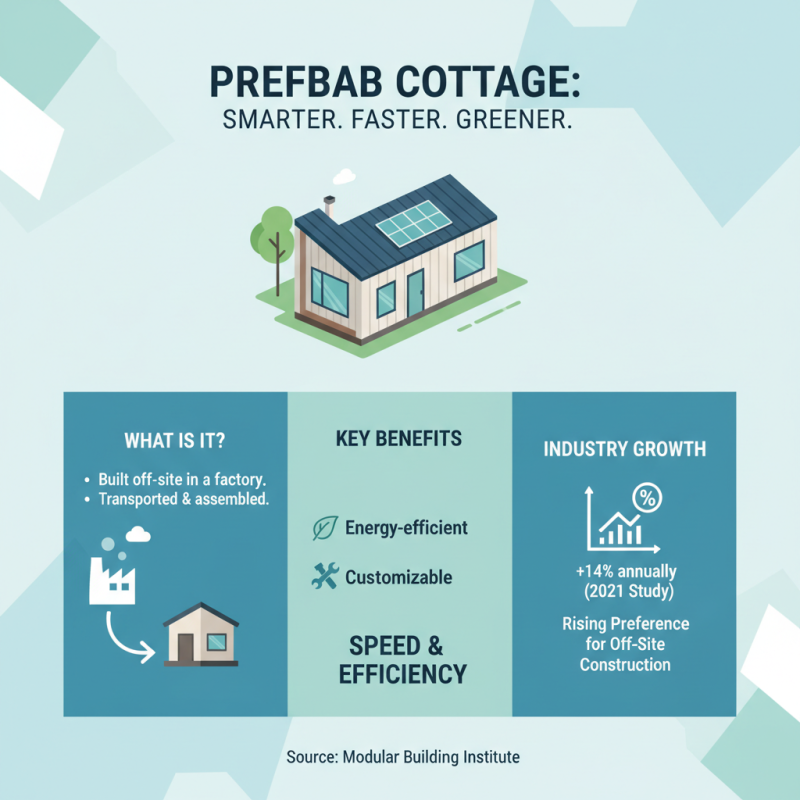
A prefab cottage, or prefabricated cottage, is a structure built off-site in a factory setting before being transported and assembled at its final location. These cottages are designed to be energy-efficient and are often customizable to fit the homeowner's needs. According to a 2021 study by the Modular Building Institute, the modular construction industry, which includes prefab houses and cottages, has grown by 14% annually, highlighting a rising preference for off-site construction methods due to their speed and efficiency.
The defining characteristics of a prefab cottage include panelized construction, which allows walls, roofs, and floors to be manufactured individually, and then assembled quickly on-site. This method not only reduces construction time by up to 50% compared to traditional building methods but also minimizes waste. A report from the American Institute of Architects indicates that prefab homes typically lead to a 15-20% cost savings in construction due to their efficient design and reduced labor costs. This approach to building aligns well with an increasing demand for sustainable living solutions, as these cottages often feature energy-efficient materials and designs that contribute to long-term savings on utilities.
The Advantages of Choosing a Prefab Cottage for Your Next Home
Prefab cottages have gained popularity in recent years as an appealing alternative to traditional homes. One major advantage is the speed of construction. According to a report by the Modular Building Institute, prefab homes can reduce construction time by up to 50%. This is particularly beneficial for those looking to minimize disruption and quickly establish their living environment. The streamlined construction process not only allows for faster move-in times but also reduces labor costs, contributing to overall financial savings.
Another significant benefit of choosing a prefab cottage is sustainability. The prefab construction process often uses eco-friendly materials and energy-efficient designs. A study from the National Association of Home Builders indicates that more than 80% of prefab home manufacturers incorporate energy-efficient systems, such as better insulation and renewable energy sources. This not only helps homeowners save on utility bills but also supports a more sustainable lifestyle, making prefab cottages an attractive option for environmentally conscious buyers.
Analyzing the Costs Involved in Building a Prefab Cottage
When considering the costs involved in building a prefab cottage, several factors come into play, from materials to labor. According to a recent report by the National Association of Home Builders, the average cost per square foot for a prefab home ranges from $100 to $200, depending on the quality of materials and design specifications. This pricing structure makes prefab cottages an appealing option for many, as they often come in at a lower cost compared to traditional builds, which can exceed $300 per square foot in some areas.
In addition to construction costs, potential buyers should also factor in land costs, permits, and utilities, which can significantly influence the overall budget. A study by the Modular Building Institute highlighted that buyers could save up to 10-15% on labor costs for prefab homes due to reduced construction timelines. Furthermore, incorporating energy-efficient features can yield long-term savings, making the initial investment more manageable. Overall, understanding the various elements of cost can help future homeowners make informed decisions and maximize their investment in a prefab cottage.
Popular Design Ideas and Styles for Prefab Cottages
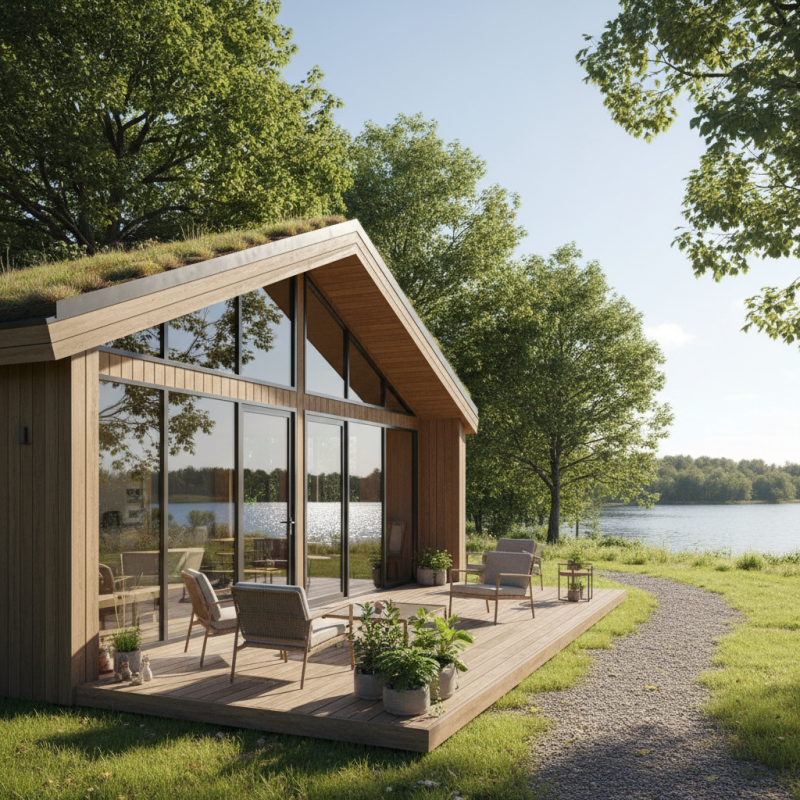
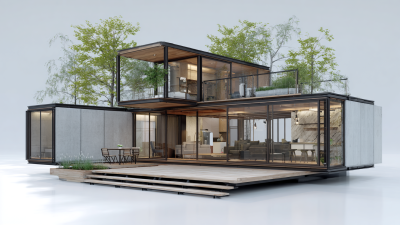
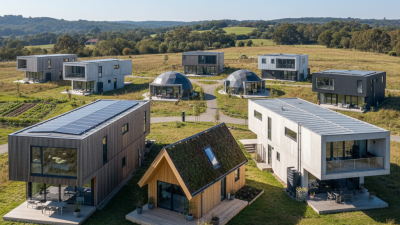
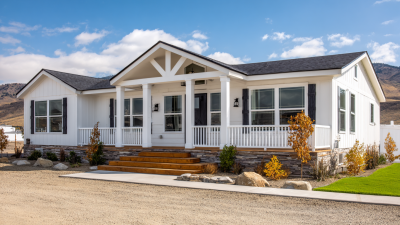
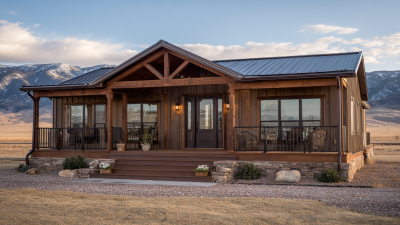
Prefab cottages offer a versatile and appealing way to create your dream retreat, accommodating various design aesthetics that suit different tastes and needs. One popular style is the charming beach cottage, which typically features relaxing porches, airy layouts, and coastal colors. Incorporating elements such as natural wood finishes, large windows, and open floor plans can help enhance the tranquil ambiance while ensuring a seamless connection to the surrounding landscape. With the right inspiration, you can transform a simple prefab structure into a cozy seaside haven.
Another trending design is the modern cottage style, blending traditional cottage elements with contemporary touches. This aesthetic often highlights cozy textiles, muted colors, and rustic features, such as exposed beams and cottage gardens that overflow with flowers. Designers are increasingly moving away from the modern farmhouse look, leaning towards this refined yet relaxed approach. Additionally, the cottagecore movement emphasizes intentional decorating with vintage accessories and layered patterns, creating spaces that evoke nostalgia and warmth. Whether you prefer an updated take on classic designs or a more laid-back approach, prefab cottages can easily adapt to reflect your personal style.
What is a Prefab Cottage? Benefits, Costs, and Design Ideas Explained
Key Considerations When Planning Your Prefab Cottage Project
When planning your prefab cottage project, several key considerations come into play that can significantly influence both the design and functionality of the space. Firstly, understanding zoning regulations and building codes is crucial. According to a report by the National Association of Home Builders, over 50% of home construction projects face delays due to permitting issues. It is essential to consult local authorities to avoid complications and ensure that your cottage complies with all requirements.
Another important factor is selecting the right materials for sustainability and durability. The prefab industry has made substantial strides in using eco-friendly materials, with many companies now offering options like recycled steel and sustainably sourced wood. A survey by the Green Building Council indicates that 80% of homeowners prioritize sustainability in their building choices, reflecting a growing trend toward environmentally conscious living. Additionally, thoughtful design features, such as open floor plans and energy-efficient windows, can enhance both the aesthetic appeal and energy performance of your cottage, offering long-term savings and comfort.
Prefab Cottage Cost Comparison by Type
This chart illustrates the cost comparison of different types of prefab cottages. Basic prefab cottages typically cost around $30,000, mid-range options are about $60,000, and luxury models can reach $100,000.