What is a Prebuilt House and Its Advantages for Buyers?
In recent years, prebuilt houses have gained significant popularity among homebuyers. According to industry expert John Smith, "Prebuilt houses offer an efficient and cost-effective solution for modern living." This statement reflects the growing trend of seeking quicker building options without compromising quality.
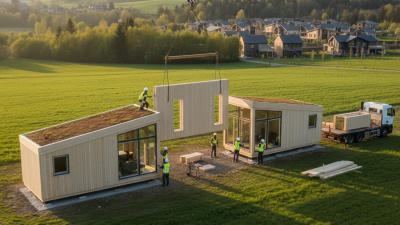
The appeal of prebuilt houses lies in their efficiency. They are assembled off-site and delivered ready for installation. This process can dramatically reduce construction time. Buyers can move into their new homes much sooner than traditional builds allow. Moreover, these houses often involve less waste, promoting a more sustainable lifestyle. Yet, some concerns do exist. Potential buyers may worry about customization options and resale value.
Another factor to consider is the quality of materials. While many prebuilt houses use high-grade components, buyers must research builders thoroughly. It’s crucial to evaluate the reputation of companies involved. Prebuilt houses can represent an excellent investment, but due diligence is essential to ensure you’re making the right choice.
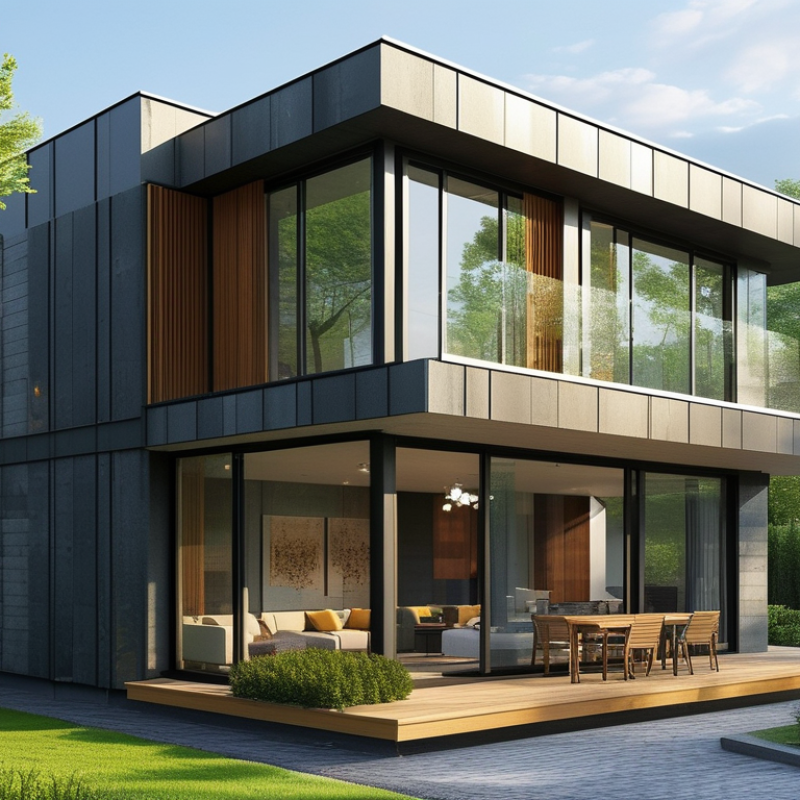
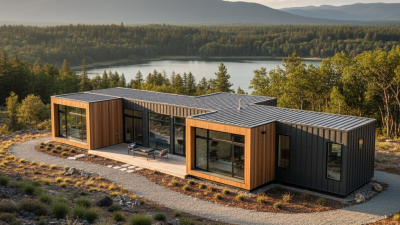
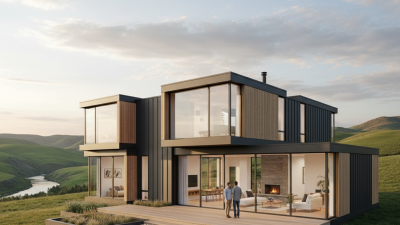
A prebuilt house, often referred to as a modular or manufactured home, is constructed off-site in a factory setting. This method allows for quick assembly once the house reaches its destination. These homes come in various designs and sizes, catering to diverse tastes. They can be customized to suit individual preferences, ensuring that buyers receive a product that reflects their lifestyle.
The quality of materials used in prebuilt houses is often comparable to traditional homes. Manufacturers aim for durability and safety, adhering to strict building codes. However, there's a need for buyers to research and select trustworthy manufacturers. Some consumers may encounter issues with quality or after-sales service. Also, zoning regulations may restrict where these homes can be placed, impacting site selection.
Cost is a significant advantage. Prebuilt homes usually come with lower price tags compared to traditional homes. This affordability is enticing, especially for first-time buyers. Yet, buyers should be cautious. Not all prebuilt houses hold their value over time. It's essential to assess the long-term investment potential. Overall, prebuilt houses offer distinct benefits but require careful consideration before making a decision.
Types of Prebuilt Houses Available in the Market
Prebuilt houses, also known as prefab homes, come in various types that cater to diverse buyer needs. One common option is modular homes. These structures are built in sections in a factory and assembled on-site. The precision of factory construction often results in fewer defects and a quicker build time. Many buyers appreciate this efficiency and the potential cost savings compared to traditional builds.
Another popular type is manufactured homes. Unlike modular homes, manufactured homes are built entirely in a factory and then transported to the site. They are typically more affordable, making homeownership accessible for many. However, potential buyers should consider zoning laws, as placement options can be limited.
A third option includes tiny homes. These compact versions of traditional houses promote minimalism and often appeal to eco-conscious individuals. While they offer unique benefits, space limitations can pose challenges for families. Understanding these types helps buyers make informed decisions based on their lifestyle needs. Each prebuilt house offers distinct advantages and challenges that require careful contemplation.
Key Advantages of Buying a Prebuilt House
Prebuilt houses have gained popularity in recent years. They offer several benefits for buyers seeking efficiency and convenience. One key advantage is the reduced construction time. Traditional building can take months or even years. In contrast, a prebuilt home can be assembled quickly on-site. This means you can move in sooner and start enjoying your new space.
Cost savings are another significant perk. Building from scratch often includes unexpected expenses. Prebuilt homes usually come with fixed prices. This transparency helps buyers plan their finances better. However, it's important to consider customization options that may come at an additional cost. Many buyers appreciate having a reliable timeline and predictable expenses, but some might feel limited by the available designs.
Additionally, prebuilt houses often incorporate modern materials and energy-efficient technologies. These features not only enhance comfort but also lower long-term utility bills. Yet, some buyers might need time to adapt to the idea of living in a factory-built home. It’s essential to weigh your preferences alongside the benefits these homes present. Prebuilt houses can be an excellent option for many, but careful consideration is always necessary.
Cost Efficiency and Time Savings with Prebuilt Homes
Prebuilt houses are gaining traction for their cost efficiency and time savings. Research indicates that building a conventional home can take anywhere from six months to over a year. In contrast, a prebuilt home typically requires only a fraction of that time. A recent industry report found that prebuilt homes can be constructed 30% faster than traditional homes, making them particularly appealing for quick occupancy.
The financial advantages are significant as well. Standard building costs have surged, with some reports suggesting a 20% increase in 2022 alone. Prebuilt homes can reduce expenses because they utilize streamlined manufacturing processes. Buyers can save on labor costs and often benefit from bulk purchasing of materials. Significant savings can be realized without sacrificing quality.
Tip: Consider the long-term return on investment with prebuilt homes. These structures maintain value well. However, it's essential to research various builders and their reputations. Not all prebuilt homes are created equal, and quality can vary greatly.
Another important aspect is customization. While many assume prebuilt homes lack options, many builders offer several customizable features. This allows you to create a home that reflects your style, even within a quicker building framework. Keep in mind, however, that customization can sometimes extend the timeline. Balancing speed and personalization is key.
Environmental Benefits of Prebuilt Housing Solutions
Prebuilt houses, also known as modular or prefabricated homes, are gaining attention for their environmental benefits. These homes are constructed off-site and assembled on location. This process substantially reduces waste during construction. Traditional building often results in excess materials that end up in landfills. Prebuilt homes generate less debris, making them a more sustainable choice.
Energy efficiency is another significant advantage. Many prebuilt houses are designed with modern energy standards in mind. They often feature superior insulation and energy-efficient windows. This design leads to reduced energy consumption for heating and cooling. Homeowners can benefit from lower utility bills. A home that uses less energy not only saves money but also decreases carbon footprints.
Tips for buyers: Research local regulations on prebuilt homes. Understand the zoning laws in your desired area. Also, consider your lifestyle needs. Think about the long-term implications of choosing a prebuilt home. While they offer many advantages, some may find they lack the charm of traditional homes. It's essential to weigh these factors before making a decision.