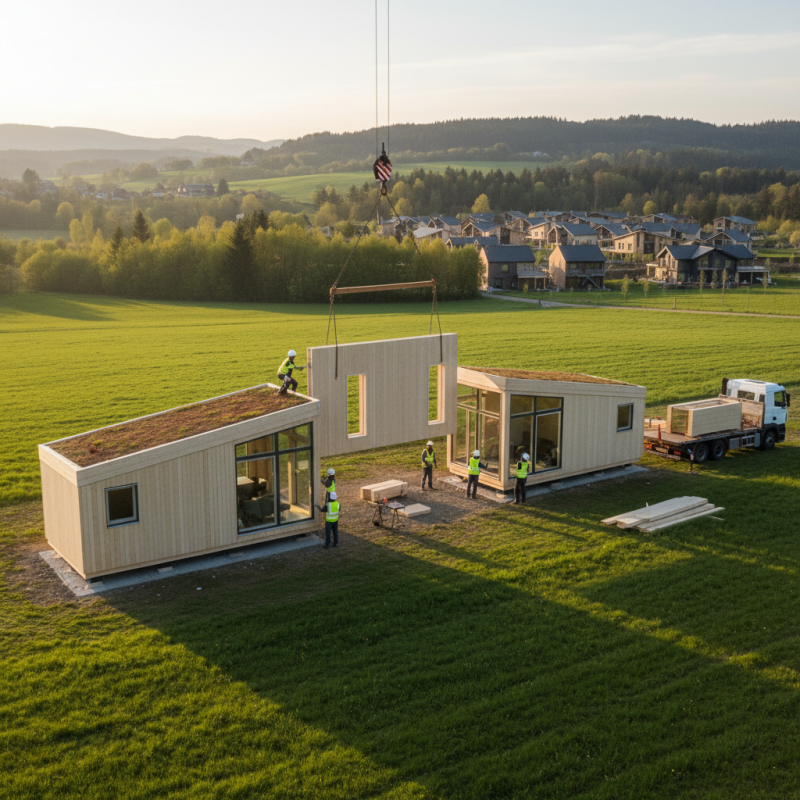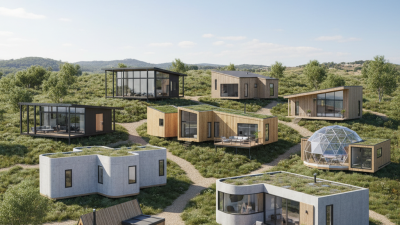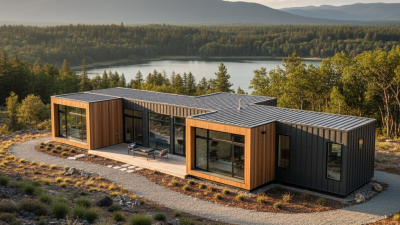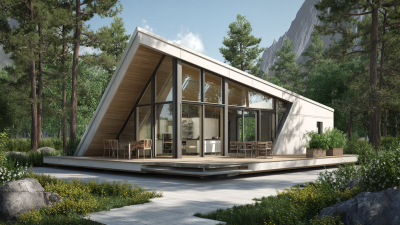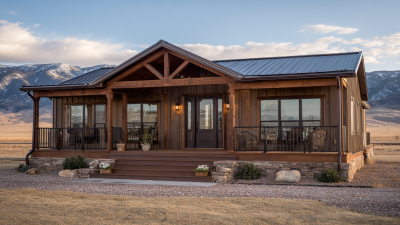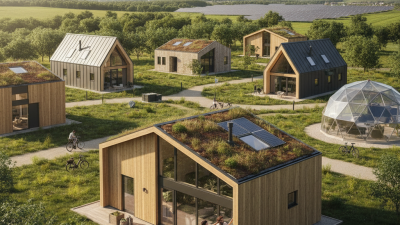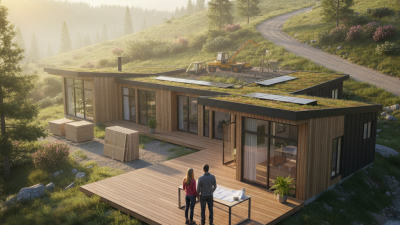
Pre made homes are an innovative solution for modern living. They offer a unique blend of convenience and customizability. Designed to be built off-site, these homes can be transported and assembled quickly. This makes them a popular choice for many families today.
The process is often streamlined, which can save time and labor costs. However, it may come with limitations in design flexibility. Some buyers might feel restricted by the available options. Quality can also vary between manufacturers, raising concerns about durability.
Despite these challenges, pre made homes offer benefits that are hard to ignore. They can provide affordable housing in high-demand areas. As the market evolves, potential homeowners should weigh the pros and cons. Understanding these factors is essential when considering a pre made home.
Definition of Pre Made Homes and Their Characteristics
Pre made homes offer an innovative solution to modern housing needs. These structures are built off-site and transported to their final locations. They come in various styles and designs, making them appealing to different tastes. Built using factory-standard materials, they often boast energy efficiency. However, the quality of materials can vary widely. Not all pre made homes meet the same standards, leading to inconsistent durability.
One of the standout features of pre made homes is their rapid assembly time. Once delivered, they can be set up in days rather than months. This speed can be a double-edged sword. While homeowners may benefit from quick setups, it often leaves little room for customization. Some may find the lack of personalization disappointing. Additionally, zoning regulations can pose challenges. Not all areas permit pre made homes, which can complicate the buying process.
The affordability of pre made homes is a significant draw. They can be less expensive than traditional houses. However, potential buyers should consider long-term costs. Not all pre made homes appreciate in value over time. They can sometimes be seen as temporary solutions. Therefore, when weighing options, buyers must think critically about their choices and future plans.
Types of Pre Made Homes: Modular, Manufactured, and Prefabricated
Pre made homes are gaining popularity for their affordability and flexibility. Three main types are modular, manufactured, and prefabricated homes. Each has unique features and benefits.
Modular homes are built in sections, or modules. These modules are constructed in a factory and then transported to the site. They are assembled quickly, often resulting in a shorter build time. However, finding the right contractor for installation can be a challenge. It’s crucial to work with someone experienced to avoid problems later on.
Manufactured homes are entirely built in a factory and are often mobile. They can be relocated but may have restrictions based on local zoning laws. They tend to be more affordable than traditional homes. Yet, homeowners must consider the potential downsides, like limited resale value.
Prefabricated homes can be a blend of both. They offer unique designs and customizable options. However, buyers should be wary of the costs that may arise from customization.
The Process of Construction for Pre Made Homes
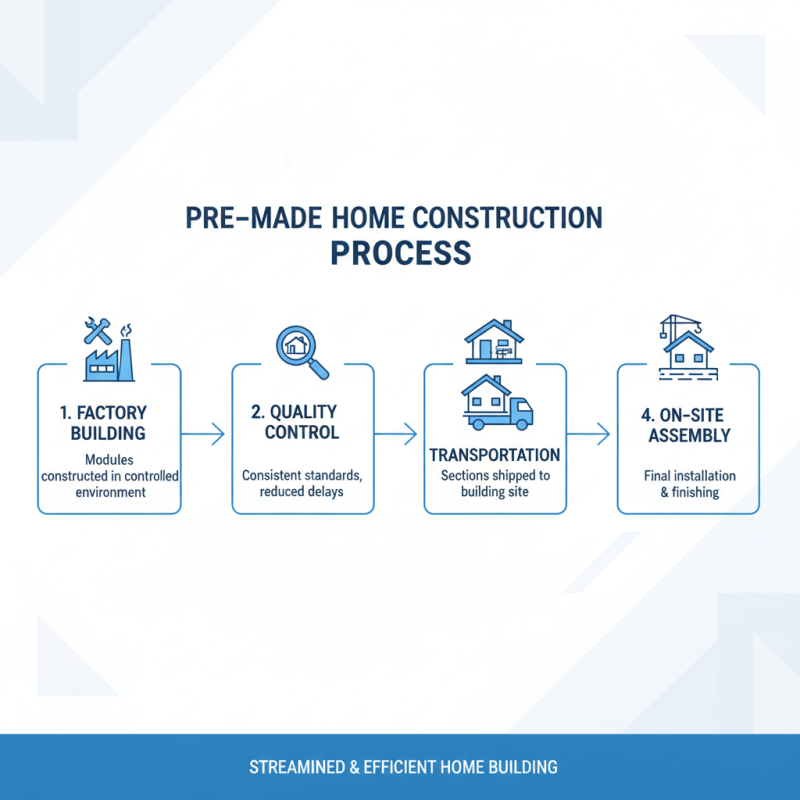
The process of construction for pre-made homes varies but generally follows a streamlined approach. These homes are built in a factory setting. This allows for better quality control and fewer delays. After factory construction, sections are transported to the building site.
When it arrives, the foundation should be prepared. This part often gets overlooked. A solid foundation is crucial for stability. If it’s not done right, issues may arise later. Proper measurements and leveling are essential during this stage.
Tips: Always double-check local zoning regulations. They can affect installation. Seek to work with experienced contractors familiar with pre-made homes. They can provide valuable insights throughout the process.
Assembly involves connecting the pre-made sections. This requires skilled labor. Mistakes during this phase can be costly. Additionally, consider utilities. Plumbing and electrical systems must be installed correctly. Coordination is key. It’s important to communicate with all parties involved.
Advantages and Disadvantages of Living in a Pre Made Home
Living in a pre-made home has its perks and challenges. One key advantage is the speed of construction. These homes can often be completed in a matter of weeks. This quick turnaround appeals to many who need housing fast. It allows for flexible living arrangements, especially for those who frequently relocate.
However, pre-made homes can also have drawbacks. They may lack the unique character of traditional houses. Some designs might feel repetitive or cookie-cutter. Homebuyers might struggle to find a layout that truly suits their taste. Additionally, issues with insulation and durability could arise. These factors sometimes lead to unexpected repair costs.
Tip: Consider the layout and size carefully before purchasing. Measure your furniture to ensure it fits. It’s also wise to research local zoning laws that could affect where you can place your home. Remember, the community atmosphere is just as important as the physical structure.
Another aspect to reflect on is the resale value. Pre-made homes may not appreciate in value as much as traditional homes. Buyers may perceive them as less desirable. This can affect investment returns. Weighing these factors will help in making informed choices. Always visit the home and inspect the quality of materials used. It's an important step that shouldn't be overlooked.
What is a Pre Made Home and How Does It Work? - Advantages and Disadvantages of Living in a Pre Made Home
Aspect
Details
Definition
A pre made home, also known as a modular or prefabricated home, is a dwelling that is built off-site in a factory and then assembled on the building site.
Construction Time
Typically completed in a matter of weeks compared to traditional homes which may take months.
Cost
Generally more affordable than constructing a traditional home, with savings on labor and materials.
Customization
Variety of designs and layouts are available, allowing for a certain degree of customization.
Energy Efficiency
Often built with energy-efficient materials and techniques, contributing to lower utility bills.
Resale Value
Resale value can be lower than traditional homes, depending on market perceptions and location.
Building Codes
Must conform to local building codes and regulations, which can vary by location.
Advantages
Quick construction, cost-effective, energy-efficient, customizable, and lower maintenance.
Disadvantages
Potential lower resale value, limited customization options, and possible financing challenges.
Financing and Purchasing Considerations for Pre Made Homes
When considering the purchase of a pre-made home, financing is a crucial aspect. Many buyers explore various loan options, such as personal loans or mortgages specific to modular homes. Traditional lenders may have different criteria for these homes. In some cases, these homes depreciate faster than regular houses, affecting financing choices. Potential homeowners should consult with lenders familiar with pre-made homes.
Purchasing involves several steps that buyers often overlook. Prospective homeowners need to account for delivery and installation costs. Site preparation is another consideration; certain locations may require additional groundwork. Additionally, buyers should check local regulations and zoning laws. Missing these details can lead to unexpected expenses.
Lastly, it’s important to inspect the home thoroughly before finalizing the purchase. Issues with construction or materials can arise. Understanding warranties and after-sale support can alleviate future headaches. Buyers should remain aware that while pre-made homes offer convenience, challenges may still present themselves. Reflecting on these aspects can lead to a more informed decision.