logo

Top Modern Prefab Homes That Redefine Affordable Living Solutions?

In recent years, modern prefab homes have emerged as a practical solution for affordable living. According to a 2022 market report by the American Institute of Architects, prefab home construction has seen a 30% increase. With housing prices soaring, these homes provide an innovative alternative. They combine cutting-edge design with cost-efficiency, appealing to millennials and first-time buyers.

The average cost of building a prefab home is often 10-20% lower than traditional constructions. This affordability doesn’t compromise style. Many modern prefab homes feature sleek lines and sustainable materials. However, the perception of prefab homes often lacks enthusiasm. Some people doubt their quality and durability. It’s vital to dispel these misconceptions while acknowledging real concerns.

Modern prefab homes offer unique advantages. They can be customized easily, and construction time is reduced significantly. Yet, potential buyers must consider zoning laws and land costs. Every solution has its challenges. Exploring modern prefab homes can lead to valuable insights into a smart, affordable future. These homes not only redefine living space but also provoke necessary conversations about housing accessibility.

Top Modern Prefab Homes That Redefine Affordable Living Solutions?

Innovative Design Trends in Modern Prefab Homes

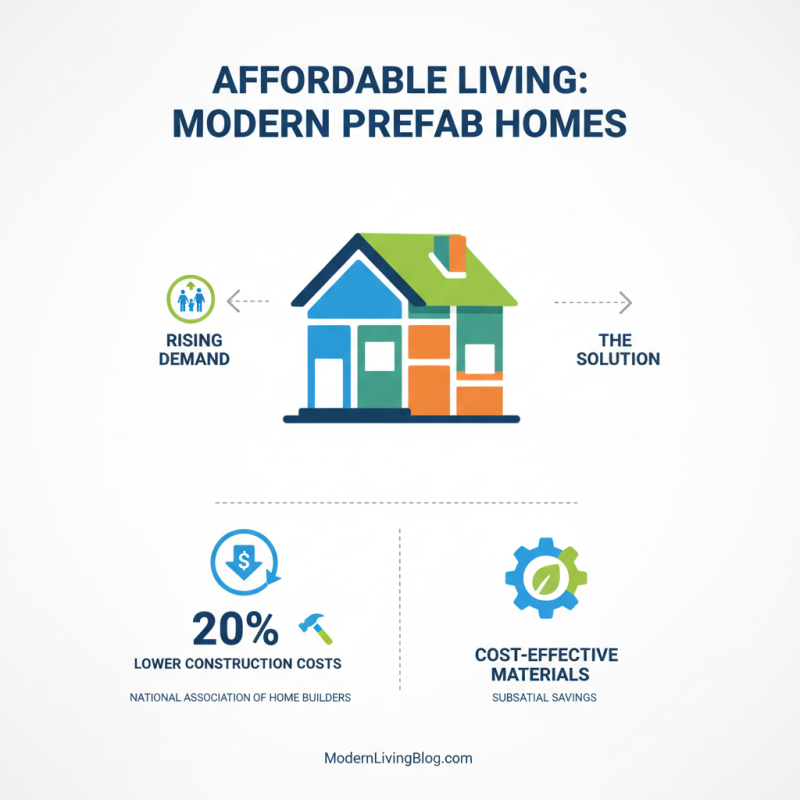
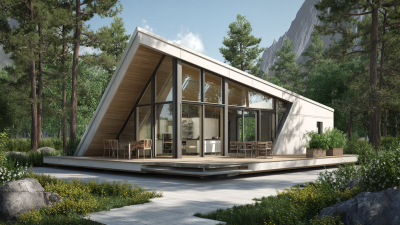
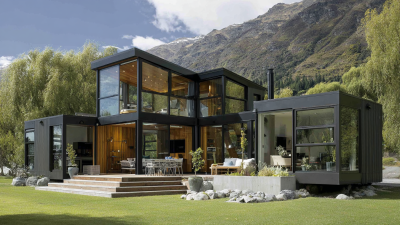
Modern prefab homes are transforming how we think about affordable living solutions. These homes blend innovative design with sustainability. According to the National Association of Home Builders, modern prefab construction can cut building costs by up to 20%. This shift is appealing to many looking for cost-effective ways to own a home.

Innovative design trends are at the forefront of this movement. Many prefab homes feature open floor plans, large windows for natural light, and energy-efficient materials. A recent report from the U.S. Green Building Council notes that sustainable building methods can reduce a home’s energy consumption by 30%. However, not all prefab homes achieve this. Some lack the necessary insulation or efficient systems, leaving room for improvement.

Furthermore, the appeal of simple, modular designs often comes with limitations. While space-efficient layouts maximize functionality, they can feel confining. Residents may find themselves needing more storage or personal space. As trends evolve, the challenge is to balance design with comfort and practicality. Each home tells a story of innovation but also reveals areas that require further reflection and improvement.

Top Modern Prefab Homes That Redefine Affordable Living Solutions

Home Model Size (sq ft) Price ($) Number of Bedrooms Sustainability Features
EcoCabin 400 60,000 1 Solar Panels, Recycled Materials
Modular Haven 800 120,000 2 Green Roof, Energy-Efficient Windows
Urban Nest 600 75,000 1 Rainwater Harvesting, Insulated Panels
Minimalist Box 500 70,000 2 LED Lighting, VOC-Free Paint
Family Retreat 1,200 200,000 3 High-efficiency HVAC, Solar Hot Water

Cost-Effective Materials for Affordable Living Solutions

Top Modern Prefab Homes That Redefine Affordable Living Solutions?

The demand for affordable living solutions is rising. Modern prefab homes are a response to this need. A recent report from the National Association of Home Builders highlights that prefab homes can ultimately lower construction costs by up to 20%. This substantial saving often comes from utilizing cost-effective materials.

Materials like cross-laminated timber (CLT) and structural insulated panels (SIPs) are gaining traction. These options not only offer strength but also reduce energy use. A study from the Department of Energy shows that homes built with SIPs can consume 50% less energy than traditional buildings. Many prefab homes incorporate eco-friendly practices, using recycled materials in construction. However, sourcing materials locally is often a challenge. It increases costs and offsets environmental benefits, requiring thoughtful planning.

Moreover, while the aesthetics of these homes are appealing, design choices may limit customization. Homebuyers frequently face dilemmas about style versus functionality. Prefab homes often sacrifice intricate designs for efficiency and affordability. This reality invites reflection on balancing cost and personal expression. The journey to affordable living through modern prefab homes is both promising and complex.

Sustainability Features in Prefab Home Construction

Top Modern Prefab Homes That Redefine Affordable Living Solutions?

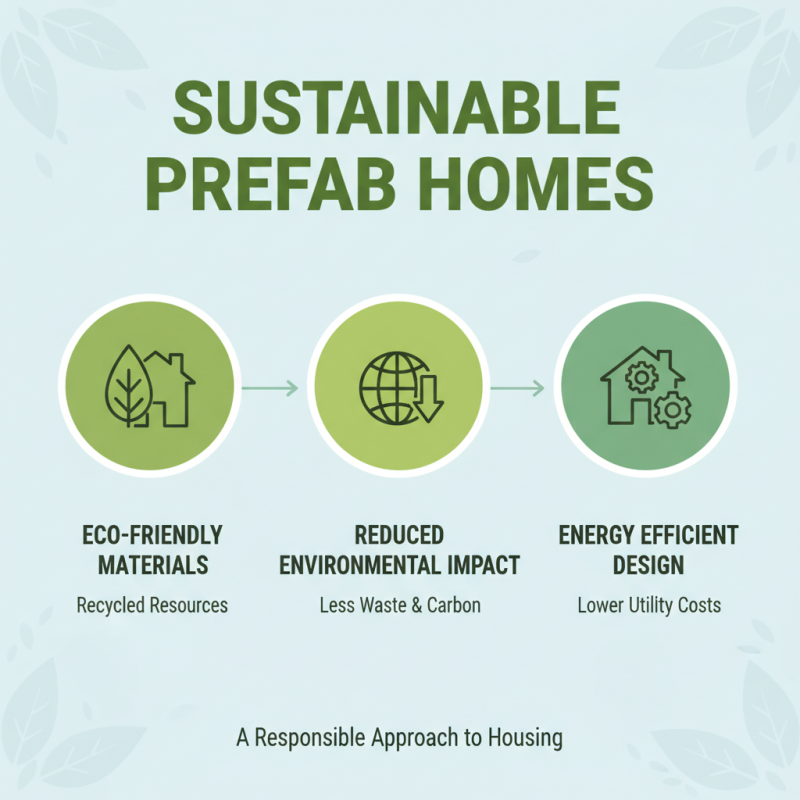
Prefab homes are gaining attention for their sustainability features. These structures are designed with eco-friendly materials, reducing the environmental impact. Often made from recycled resources, they embody a responsible approach to housing.

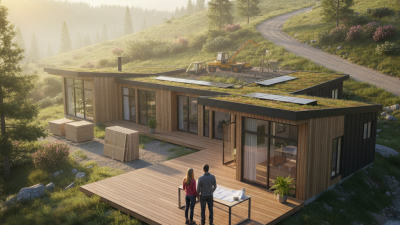
Solar panels are common in modern prefab designs. They harness sunlight and convert it into usable energy. This can significantly lower energy bills and dependency on traditional power sources. Rainwater collection systems can also be integrated. Capturing rainwater minimizes waste and provides a sustainable water source for everyday use.

However, not all prefab homes meet the highest sustainability standards. Some may fall short in insulation or energy efficiency. It's essential for buyers to research and ensure their home meets their eco-conscious goals. Evaluating the longevity of materials used is also important. Though these homes present innovative solutions, they require thoughtful planning and consideration.

Customization Options for Modern Prefab Homes

Modern prefab homes offer a new perspective on affordable living. One of their most attractive features is customization. Homeowners can tailor their designs to fit unique lifestyles. Options range from layout adjustments to material choices. Some prefer open spaces, while others value cozy nooks.

People are drawn to sustainable solutions. Eco-friendly materials can be integrated seamlessly. This not only adds character but also helps the environment. Customization can extend to energy-efficient systems. Solar panels and smart home tech are popular choices. They provide cost savings in the long run.

Yet, customization can also lead to challenges. Something as simple as color choice can spark indecision. Homeowners might grapple with functionality versus aesthetics. Balancing personal taste with the inevitable budget constraints requires careful thought. It's a journey that demands patience and reflection.

Case Studies of Successful Prefab Living Communities

Prefab homes are changing the way we think about affordable living. These homes are quick to assemble and often more sustainable than traditional houses. Many communities have embraced this modern approach to housing, showcasing successful case studies that highlight their potential.


One notable example is a community that integrated prefab homes into a historically rich area. The design maintained the local character while offering modern convenience. While some residents have faced challenges, like zoning regulations, they persevered to create a vibrant neighborhood. Their story is both inspiring and humbling.


Tips for exploring prefab options:
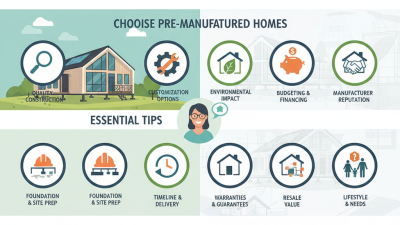
Look for local prefab builders that prioritize sustainability. Consider the potential for community involvement in decision-making. Engaging with neighbors can lead to a more harmonious living space.


Another case study involves a focus on eco-friendly materials. This community reduced waste and lowered energy costs. They faced initial skepticism, but their success has opened doors for others. Observing such endeavors can provide valuable insights into the future of affordable living.