Why Kit Houses Are the Future of Affordable Sustainable Living
In recent years, the housing market has faced an unprecedented crisis, with rising prices leaving affordable living options scarce for many. According to the National Low Income Housing Coalition, there is a shortage of 7 million affordable homes for the lowest-income renters in the United States. As a response to this challenge,
"kit houses" have emerged as a viable solution for sustainable and economical living. These prefabricated homes, which can be easily assembled by the homeowner, offer a unique opportunity to reduce construction costs and minimize waste, aligning well with the growing demand for green housing solutions.
The global market for modular construction, which includes kit houses, is projected to reach $157 billion by 2025, indicating a significant shift toward innovative building practices. This trend is driven by factors such as the need for timely project completion, enhanced sustainability, and affordability. Kit houses not only provide a budget-friendly alternative to traditional homes but also incorporate sustainable materials and energy-efficient designs that appeal to environmentally conscious consumers. By exploring the multifaceted benefits of kit houses, we can understand why they are poised to become the future of affordable sustainable living, addressing both economic and ecological concerns in today's evolving housing landscape.
The Rise of Kit Houses: Revolutionizing Affordable Housing Solutions
The rise of kit houses marks a significant transformation in the landscape of affordable housing solutions.
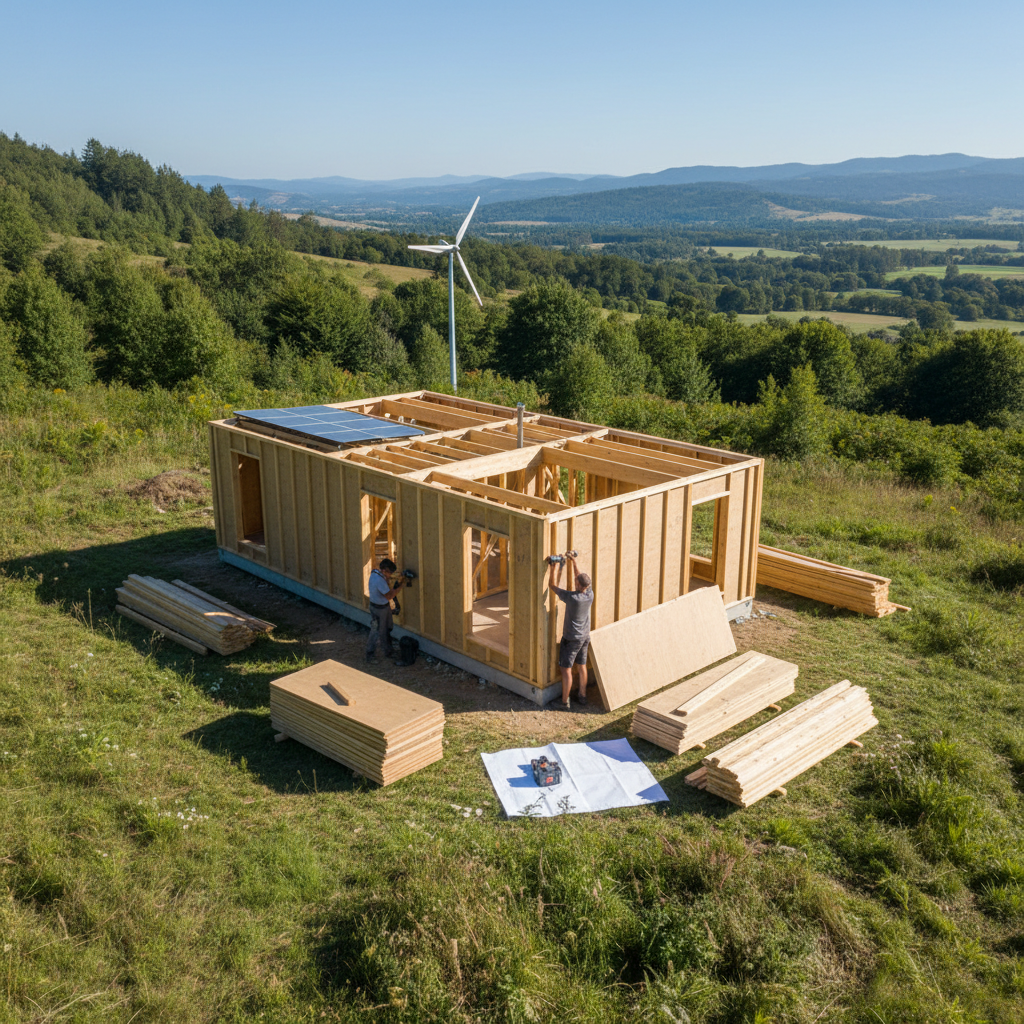
These pre-designed homes come in modular kits, allowing buyers to construct their own residences with relative ease and affordability.
The appeal lies not only in cost savings but also in the ability to create customized living spaces that cater to individual needs and aesthetics.
As urban areas face skyrocketing real estate prices, kit houses present an innovative alternative that aligns with the growing demand for affordable homeownership.
Emphasizing sustainability, kit houses are often built using eco-friendly materials and efficient energy systems.
This dedication to green building practices resonates deeply with today's environmentally conscious consumers.
Additionally, the streamlined construction process minimizes waste and reduces the overall carbon footprint associated with traditional homebuilding methods.
As more people recognize the benefits of kit houses, from both an economic and environmental standpoint, it’s clear that these dwellings are not just a trend,
but the future of sustainable living.
Sustainable Living: How Kit Houses Minimize Environmental Impact
Kit houses represent an innovative approach to sustainable living, designed to minimize environmental impacts while providing affordable housing solutions. These pre-fabricated homes are constructed using eco-friendly materials, often sourced locally, reducing the carbon footprint associated with transportation and construction. The modular design allows for efficient use of resources, ensuring that waste is kept to a minimum. By promoting efficient building practices, kit houses align with the principles of sustainability, encouraging consumers to make environmentally conscious choices.
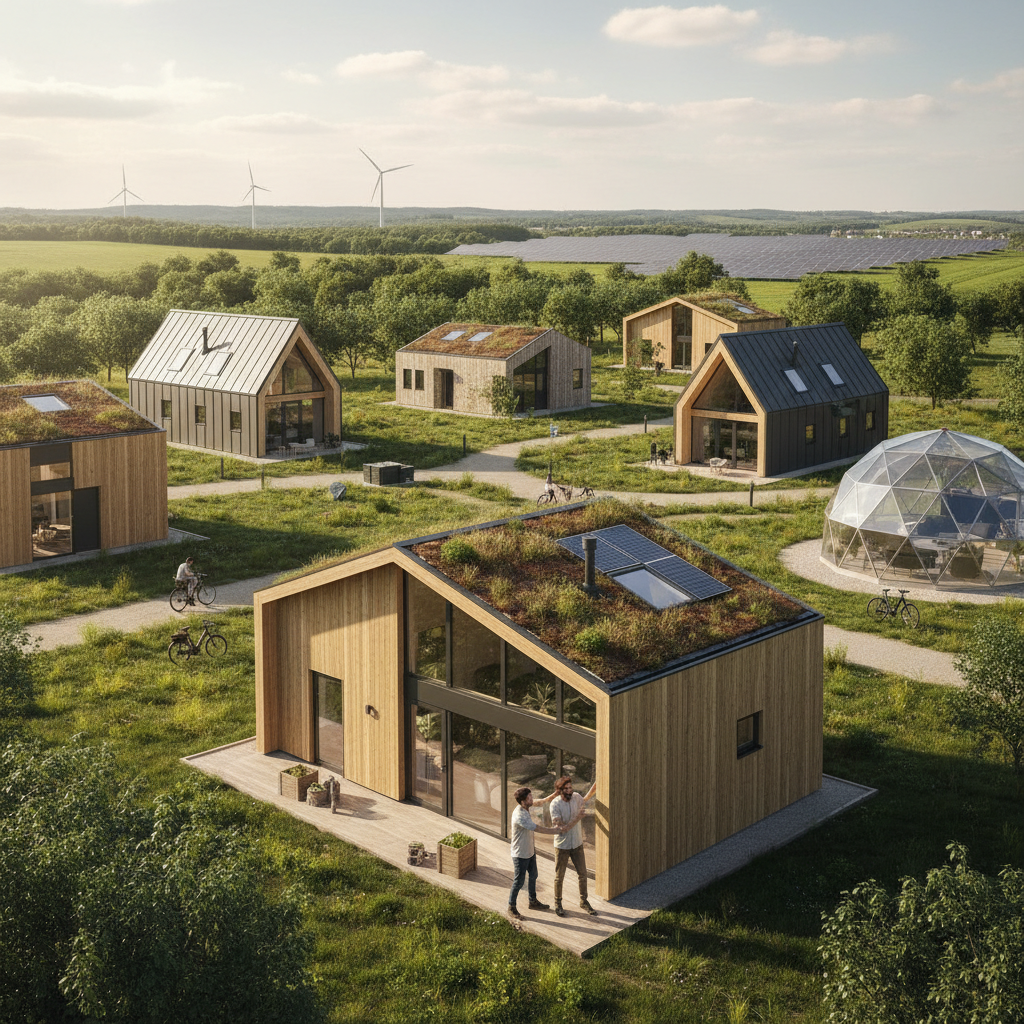
Moreover, the energy efficiency of kit houses further enhances their sustainability credentials. Many designs incorporate features such as high-performance insulation, solar panels, and energy-efficient appliances. These elements not only lower utility costs for residents but also contribute to a significant reduction in energy consumption. By facilitating an eco-friendly lifestyle, kit houses empower individuals and families to engage proactively with sustainability, leading to a harmonious coexistence with the natural environment while meeting the growing demand for affordable housing solutions.
Cost-Effective Design: The Economic Benefits of Building Kit Homes
Kit homes have emerged as a revolutionary solution for affordable housing, blending economic efficiency with sustainable living. One of the primary benefits of opting for a kit home is the significant cost savings associated with pre-designed building packages. These homes often include all necessary materials and detailed instructions, allowing homeowners to manage construction themselves or hire local contractors, thus reducing labor costs. Furthermore, the streamlined construction process minimizes waste and maximizes resource efficiency, contributing to an eco-friendly approach to homebuilding.
In addition to minimizing upfront costs, kit homes can also lead to long-term financial benefits. Their energy-efficient designs typically feature modern insulation and eco-conscious materials that reduce utility bills over time. Homeowners can select sustainable options such as solar panels or rainwater systems, enhancing their energy independence and further decreasing living expenses. The investment in a kit home not only positions individuals for immediate financial relief but also builds a foundation for sustained savings, making them an attractive option for those seeking a future of both affordability and sustainability.
Customization Options: Tailoring Your Kit House to Fit Your Lifestyle
Customization is a key feature of kit houses, making them an appealing option for those seeking affordable and sustainable living solutions. Unlike traditional homes, kit houses allow buyers to tailor their designs to fit personal preferences and lifestyle needs. From choosing the layout and materials to selecting eco-friendly features, homeowners can create a space that reflects their values and aspirations. This level of personalization not only enhances satisfaction but also contributes to a more efficient use of resources, as individuals can prioritize what matters most to them.
Moreover, the flexibility of kit houses extends beyond aesthetic choices. They can be adapted for various life stages, accommodating growing families or downsizing needs. Features such as modular designs make it easy to expand or reconfigure living spaces as required. This adaptability aligns perfectly with the principles of sustainable living, encouraging efficient land use and minimizing waste. By investing in a kit house, individuals are not just purchasing a shelter; they are crafting a sustainable home that evolves with them while remaining affordable.
Future Innovations: Technology Trends Shaping the Kit House Industry
The kit house industry is positioned to thrive as technology trends evolve, particularly through the integration of digital twin technology. This innovation enables enhanced simulation design and high-resolution modeling, facilitating a more precise manufacturing process. By harnessing these advancements, the ability to create customized and sustainable homes becomes not only feasible but also economically viable. The global AI market is projected to experience significant growth, with a compound annual growth rate of 29.2%, expanding from $294.16 billion in 2025 to $1.77162 trillion by 2032, underscoring AI's critical role in driving efficiencies and innovations in various sectors, including construction.
Tips: For homeowners considering a kit house, leveraging smart technology can vastly improve energy efficiency. Implementing IoT devices and sustainable materials can lead to long-term savings and a reduced environmental footprint.
Moreover, industries focusing on intelligent manufacturing are forecasted to invest heavily in automation technologies. Process industries, for instance, are maximizing operational efficiency through batch processing and advanced data analytics. As economic insights from consulting firms highlight, the synergy of AI and automation will shape the future landscape of construction, ensuring kit houses are not only affordable but also aligned with modern sustainability goals.
Tips: Keep an eye on technological advancements and choose materials that offer longevity and efficiency, as this can enhance both the sustainability and value of your kit house over time.
Why Kit Houses Are the Future of Affordable Sustainable Living
Feature
Description
Sustainability Impact
Cost Efficiency
Modular Design
Prefabricated sections allow for quicker assembly.
Reduces waste and construction time.
Lower labor costs lead to overall savings.
Eco-Friendly Materials
Utilizes recycled and sustainable materials.
Minimizes environmental footprint.
Cost-effective in long-term maintenance.
Energy Efficiency
Incorporates energy-efficient appliances and design.
Reduces energy consumption and greenhouse gases.
Lower utility bills enhance affordability.
Smart Technology
Integration of smart home systems for efficiency.
Promotes better energy management.
Increases property value through modern amenities.