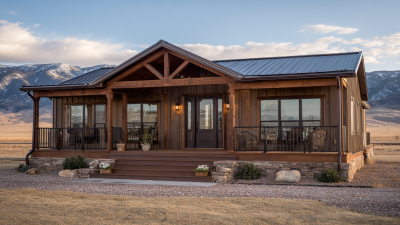
Essential Guide to Choosing the Best Prefab Home Builders for Your Dream Home
In recent years, the popularity of prefab homes has surged, offering a modern solution for homebuyers seeking efficiency and sustainability. As the expert in the industry, John Smith, a well-known architect and consultant in prefab home construction, states, "Choosing the right prefab home builders is one of the most critical decisions a homeowner can make to ensure their vision is brought to life." This underscores the importance of selecting a dedicated team that understands the intricacies of modular design and construction.
As more people consider prefab homes, prospective buyers are faced with a myriad of choices when it comes to builders. It's vital to navigate this landscape carefully, as the right builder can significantly influence not only the cost and timeline of the project but also the quality and personalization of the final product. In this essential guide, we will explore key factors to consider when selecting prefab home builders, ensuring that your journey towards your dream home is both smooth and rewarding.
With insights gathered from industry experts and extensive market research, this guide aims to empower future homeowners. Whether you're looking for sustainability, affordability, or innovative design, understanding how to evaluate and choose the best prefab home builders will set you on the path to realizing your dream of owning a beautiful and efficient prefab home.
Prefab homes, also known as prefabricated homes, have become increasingly popular due to their myriad advantages and variety of styles. One major type of prefab home is the modular home, which is constructed in sections at a factory and then transported to the site for assembly. According to a report by the Modular Home Builders Association, the demand for modular homes is projected to increase by 20% over the next five years, driven by their cost-effectiveness and shorter construction times compared to traditional homes. Furthermore, modular homes produce less waste during construction—about 20% less—making them a more environmentally friendly option.
Another significant category is panelized homes, which are made from pre-cut panels and require less time for onsite construction. The National Association of Home Builders highlighted in their 2021 report that prefab homes can reduce construction time by 30-50%, significantly streamlining the homebuilding process. Additionally, prefab houses are also appealing in terms of energy efficiency; many models are built with sustainable materials and feature designs that allow for better insulation. With energy costs on the rise, homebuyers are increasingly attracted to the long-term savings associated with these efficient designs. This market trend underscores a growing recognition of prefab homes as not only a viable option but often a smart choice for aspiring homeowners.
Key Factors to Consider When Choosing Prefab Home Builders
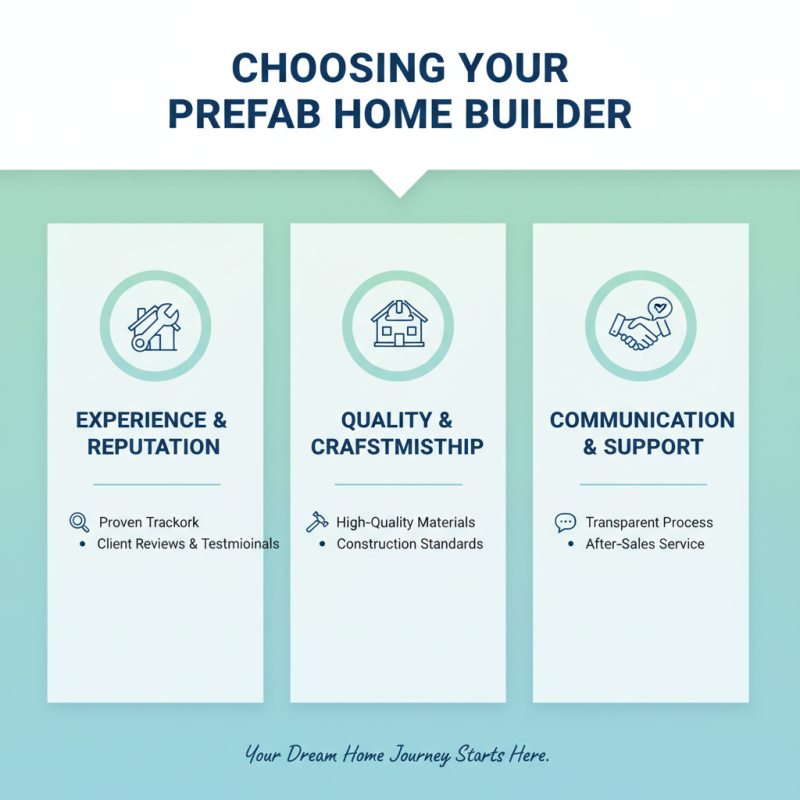
When selecting prefab home builders for your dream home, there are several key factors to consider that can significantly impact the outcome of your project. One of the foremost considerations is the builder's experience and reputation. Look for builders with a proven track record in constructing high-quality prefab homes. Reading reviews and testimonials from previous clients can provide valuable insights into their work ethic, craftsmanship, and after-sales support.
Another crucial aspect is the customization options available. Different builders offer varying degrees of customization for their homes, so it's essential to find one that aligns with your vision. Ensure that the builder you choose can accommodate your specific needs and preferences, whether that involves floor plans, materials, or eco-friendly options.
**Tips:** When assessing customization, always ask for examples of past projects to see how flexible the builder has been with their designs. Additionally, communicate your budget upfront to avoid any misunderstandings later in the process.
Lastly, consider the timeline and communication style of the builder. A reliable builder should provide you with a realistic project timeline and maintain open lines of communication throughout the construction process. Evaluate how promptly they respond to your inquiries and how willing they are to address your concerns.
**Tips:** Set expectations for regular updates and progress reports, as this will help ensure that you remain engaged and informed during the building process.
Researching Potential Builders: Reviews and Portfolios
When embarking on the journey to select the right prefab home builder for your dream home, thorough research is crucial. One of the primary steps is to seek reviews from previous clients. These testimonials can provide valuable insights into the builder's reliability, quality of work, and customer service. Look for reviews on independent platforms and social media, as these often reflect genuine experiences. Pay attention to recurring themes, both positive and negative; a builder's ability to address and resolve issues can be a significant indicator of their professionalism.
In addition to reviews, examining a builder's portfolio is imperative. A well-curated portfolio showcases a builder's style, craftsmanship, and range of completed projects. Take the time to review their past work, noting the designs that resonate with your vision. This step not only helps you gauge the aesthetics and functionality of their homes but also provides a glimpse into their capability to execute your specific requirements. By combining insights from reviews with an analysis of portfolios, you can make a more informed decision and find a prefab home builder who aligns with your dreams and expectations.
Essential Guide to Choosing the Best Prefab Home Builders for Your Dream Home - Researching Potential Builders: Reviews and Portfolios
Builder Type
Average Cost
Customer Rating
Portfolio Size
Warranty Offered
Modular Home Builders
$100,000 - $300,000
4.5/5
100+
10 Years
Panelized Home Builders
$80,000 - $250,000
4.2/5
50+
15 Years
Shipping Container Home Builders
$30,000 - $150,000
4.0/5
30+
5 Years
Tiny Home Builders
$20,000 - $100,000
4.8/5
20+
1 Year
Evaluating Cost and Budget for Your Prefab Home Project
When embarking on the journey to build your dream prefab home, evaluating costs and budgeting effectively is crucial to ensure a smooth construction process. According to the 2023 Modular Home Industry Study, the average cost of a prefab home ranges from $100 to $200 per square foot, depending on the complexity of the design and materials used. This means that for a 1,500 square foot home, potential buyers should anticipate a budget of approximately $150,000 to $300,000. Understanding these figures can help prospective homeowners frame realistic financial expectations and avoid potential pitfalls.
In addition to the base cost of the home, it's vital to consider other associated expenses. A report by the National Association of Home Builders indicates that site preparation, utility connections, and landscaping can add an additional 15-25% to total expenses. Homeowners should not overlook the importance of a contingency fund, typically recommended at around 10% of the overall budget. This safety net enables flexibility to address unforeseen costs that often arise during the building process. By meticulously evaluating and planning the financial aspects of your prefab home project, you can ensure that your investment aligns with your vision without exceeding your budget.
Cost Evaluation for Prefab Home Builders
Contract Terms and Communication: Ensuring a Smooth Process
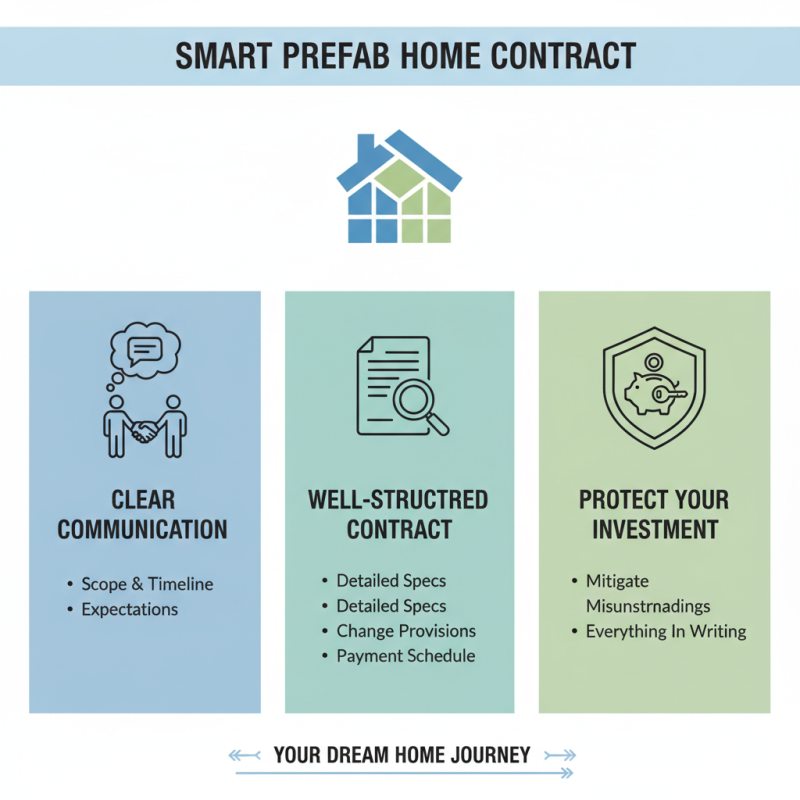
When embarking on the journey of building your dream prefab home, clear communication and understanding contract terms are paramount. A well-structured contract outlines not only the scope and timeline of your project but also establishes expectations for both parties. Ensure that the contract includes detailed specifications of the home, provisions for changes, as well as payment schedules. By having everything in writing, you can mitigate misunderstandings and protect your investment throughout the building process.
Communication is the lifeblood of a successful home-building experience. It's crucial to engage in open and frequent dialogue with your chosen builder. Regular updates and feedback sessions can help address potential issues before they escalate. Establish preferred communication methods, whether through emails, phone calls, or in-person meetings, and stick to them. A builder who is willing to communicate transparently fosters trust and enhances collaboration, making the path to your dream home much smoother. By prioritizing these aspects, you lay the foundation for a positive relationship with your prefab home builder, ensuring a successful completion of your project.