logo

Why Are Fabricated Homes Becoming a Popular Housing Solution?

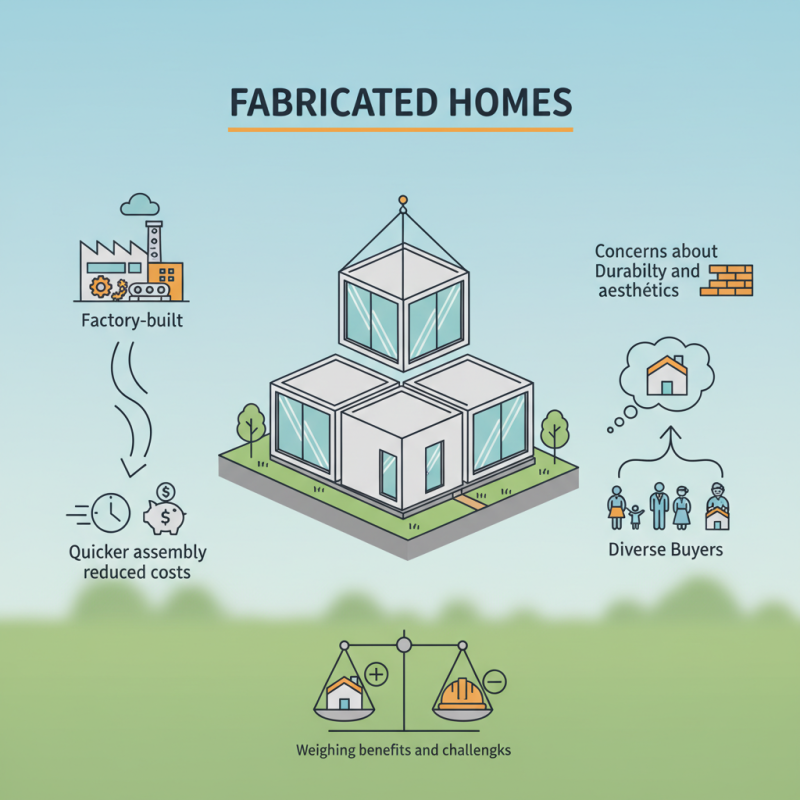
In recent years, fabricated homes have gained traction as a viable housing solution. These homes are often factory-built, allowing for quicker assembly on-site. This method can reduce construction time and costs significantly. Many see them as a response to rising housing demands and affordability issues.

While the appeal of fabricated homes is clear, some concerns remain. The quality of materials may vary, affecting durability. Additionally, perceptions around the aesthetics of manufactured housing still linger. Some people question whether these homes can truly represent a long-term housing solution. Despite this, fabricated homes offer flexibility and innovative design options, attracting diverse buyers.

As housing crises evolve, fabricated homes present both opportunities and challenges. The market is shifting, and more people are exploring these options. However, understanding the potential pitfalls is essential for prospective homeowners. Exploring fabricated homes involves weighing both benefits and drawbacks.

Why Are Fabricated Homes Becoming a Popular Housing Solution?

The Rise of Fabricated Homes in Modern Housing Markets

The rise of fabricated homes is reshaping modern housing markets. These homes are built in factories and then transported to sites. This process reduces construction time and costs significantly. For many, affordability is a primary concern. Conventional homes are often out of reach for first-time buyers. Fabricated homes present a viable alternative.

The design options are diverse. From minimalist styles to more elaborate layouts, there is something for everyone. However, not all fabricated homes meet quality standards. Buyers must do thorough research. Local regulations can also complicate the purchasing process. It’s important to understand zoning laws and installation requirements before committing.

Sustainability is another factor. Fabricated homes often produce less waste during construction. This appeals to environmentally conscious buyers. Yet, some worry about durability over time. Concerns remain about whether these homes will stand the test of time. As the market evolves, ongoing discussions about quality versus cost will shape the future of housing.

Understanding What Fabricated Homes Are and Their Key Features

Why Are Fabricated Homes Becoming a Popular Housing Solution?

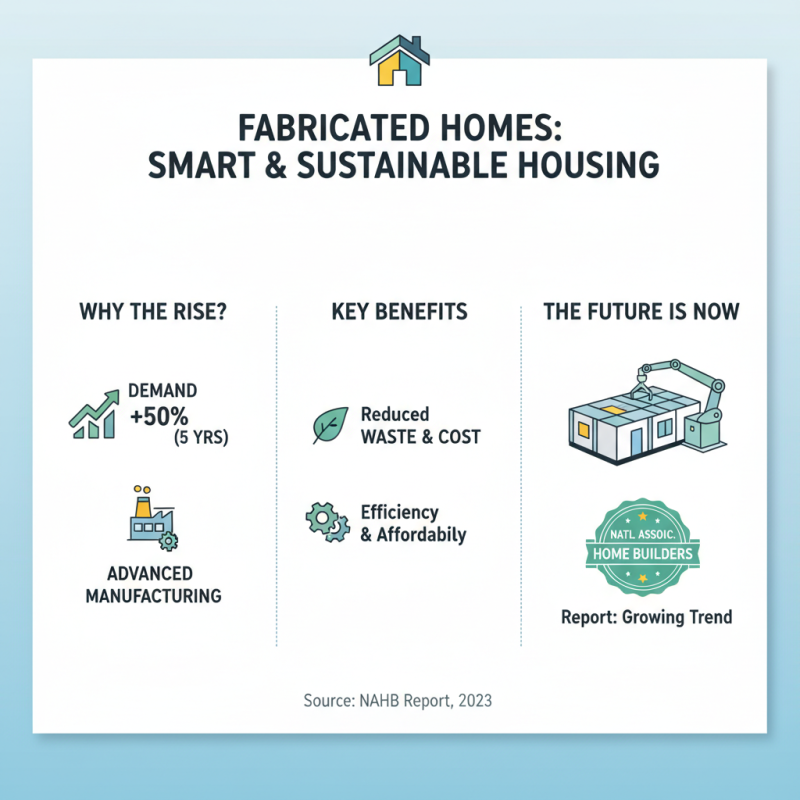
Fabricated homes are gaining attention for their efficiency and affordability. They are built using advanced manufacturing methods. This process reduces waste and lowers costs. According to a report from the National Association of Home Builders, the demand for such housing has increased by 50% over the past five years.

These homes often feature customizable designs, which attract many buyers. They can be constructed in a fraction of the time compared to traditional homes. With high energy efficiency, they appeal to eco-conscious consumers. However, not all fabricated homes meet building codes perfectly. It's crucial to research local laws and standards before purchasing.

**Tip:** Always check for warranties. They can provide peace of mind in case of defects. Understand that while these homes are more affordable, hidden costs may arise. Prepare for potential adjustments after installation.

Economic Benefits of Choosing Fabricated Homes Over Traditional Options

Fabricated homes are gaining traction as homeowners seek affordable options. These homes often cost significantly less than traditional builds. Savings come from reduced material waste and efficient construction methods. Many factories operate in controlled environments, which speeds up the process. This efficiency can trim months off the typical building timeline.

One key aspect is their energy efficiency. Many fabricated homes come pre-installed with energy-saving features. This can lead to lower utility bills. Homeowners might find that the upfront cost is offset by long-term savings. However, not all homes are equal in quality. Some manufactured homes may face durability issues over time. Buyers should conduct thorough research before making a decision.

While the financial benefits are appealing, potential buyers must consider local regulations. Some areas have strict building codes that may not accommodate fabricated homes. Additionally, the resale value can be uncertain in certain markets. It's essential to weigh these factors carefully. Embracing change is necessary, but informed choices are crucial in navigating this evolving housing landscape.

Economic Benefits of Fabricated Homes Over Traditional Options

This chart compares various economic factors between fabricated homes and traditional housing options, giving a score from 1 to 10 on their relative advantages. The results indicate that fabricated homes generally provide more benefits in terms of construction costs and energy efficiency.

Environmental Impact of Fabricated Homes: Sustainability Considerations

Fabricated homes are gaining traction due to their potential for sustainability. These homes often use recycled materials, reducing the need for new resources. The efficient design can minimize waste during production. It’s a step towards eco-friendliness, but not without challenges. Often, the production processes still consume energy and create emissions.

The modular nature of fabricated homes allows for flexibility in construction. This can lead to less land disturbance and lower ecological footprints. However, it's essential to question the sourcing of materials. Are they always environmentally friendly? Do we rely on fossil fuels in transport? The impact is complex and merits reflection.

Moreover, as these homes grow in popularity, local climates play a role in their overall sustainability. For instance, in colder areas, additional insulation might be necessary. It’s a reminder that every solution has its limits. A comprehensive approach is essential to truly benefit our planet. Environmental aspects need ongoing assessment and innovation.

Why Are Fabricated Homes Becoming a Popular Housing Solution? - Environmental Impact of Fabricated Homes: Sustainability Considerations

Aspect Details Environmental Impact
Material Usage Use of recycled materials and efficient production techniques Reduces waste and conserves natural resources
Energy Efficiency Designs that promote energy conservation Lower carbon footprint and reduced utility costs
Construction Time Faster build times due to prefabrication Minimizes disruption to the environment
Waste Generation Reduced construction waste through controlled environments Contributes to landfill diversion
Transportation Modules can be transported efficiently Lowered transportation emissions compared to traditional homes

Future Trends: Innovations in Fabrication and Home Design

Why Are Fabricated Homes Becoming a Popular Housing Solution?

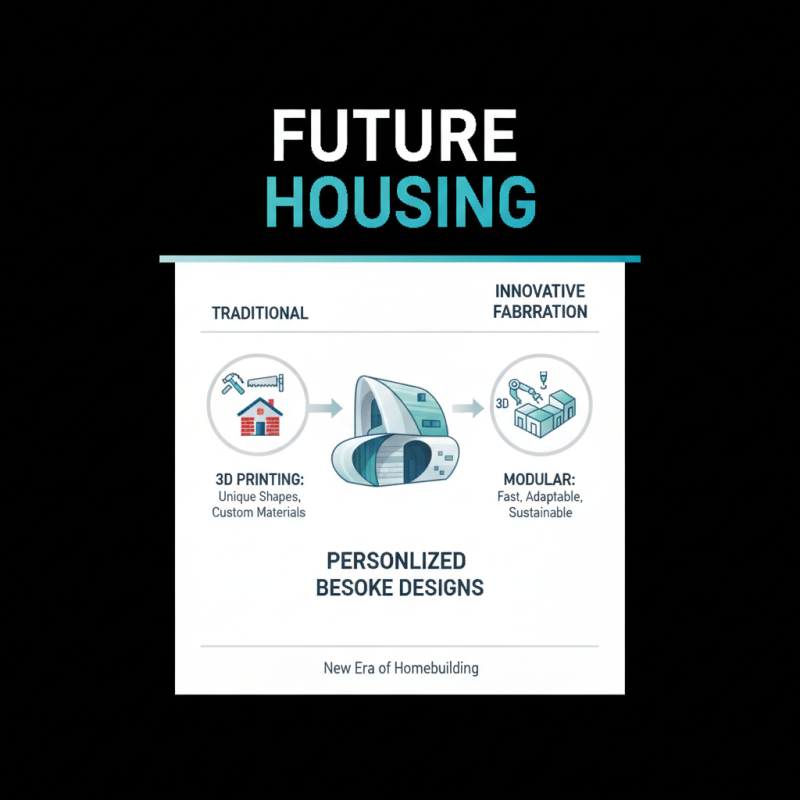
The future of housing is shifting as innovations in fabrication take center stage. Design methods such as 3D printing and modular construction are rapidly evolving. These approaches allow for unique shapes and materials that traditional building methods cannot achieve. Homebuyers are exploring options that not only meet their needs but also reflect their personal style. The allure of bespoke designs is strong.

However, not everything is perfect in this realm. Some fabricated homes face criticism regarding their durability. This happens when shortcuts are taken during the production process. Additionally, there can be issues with zoning laws, creating hurdles for potential buyers. It's essential to address these challenges while pushing the limits of creativity in home design.

Sustainability is another critical aspect driving innovation. Many new designs emphasize efficient energy use and minimal waste. Recycled materials are growing in popularity. Yet, the availability of these materials can be inconsistent. Navigating the balance between cutting-edge innovation and practicality remains a work in progress. These trends reflect a broader shift towards more personalized and eco-friendly living spaces.