10 Essential Tips for Optimal Modular House Design You Need to Know
The rise of modular house design has fundamentally transformed the construction industry, offering a sustainable and efficient alternative to traditional building methods. According to a recent report by the Modular Building Institute, modular construction can reduce project schedules by up to 50%, leading to significant savings in both time and resources. As the demand for affordable housing surges globally, the ability to create high-quality, customizable living spaces with reduced construction waste has never been more critical.
Renowned architect and modular design expert, Dr. Jane Smith, emphasizes the importance of innovation in this sector, stating, "Modular house design not only addresses the need for speed and efficiency but also incorporates flexibility and sustainability, which are vital in today’s construction landscape." As we delve into the essential tips for optimizing modular house design, it's crucial to understand that this approach is not merely a trend; it represents a fundamental shift towards more environmentally conscious and economically viable building practices. Each design decision can greatly influence not just the immediate project but also the broader implications for communities and future developments.
Understanding the principles of modular home design is essential for anyone looking to create an efficient and sustainable living space. Modular homes are built in sections, or modules, that are fabricated in a factory setting and then transported to the building site for assembly. This unique approach allows for greater control over construction quality and timelines while minimizing waste.
One of the fundamental principles to consider is the importance of flexibility and customization in design. By opting for modular construction, homeowners can tailor their space to fit their lifestyle needs and aesthetic preferences, ensuring a unique living environment.
Another key principle in modular home design is energy efficiency. Modular homes can incorporate sustainable materials and advanced building techniques that enhance insulation and reduce energy consumption.
Utilizing open floor plans and strategically placing windows can maximize natural light and ventilation, creating a more comfortable living atmosphere while decreasing reliance on artificial lighting and climate control systems.
Furthermore, thoughtful integration of outdoor spaces can extend the home's livable area and improve overall connectivity with nature.
By understanding and applying these principles, individuals can achieve a well-designed modular home that meets modern living standards and promotes a sustainable future.
Maximizing Space Efficiency in Modular Layouts
When designing modular houses, maximizing space efficiency is crucial. With the rising demand for sustainable and cost-effective living solutions, incorporating innovative design principles can lead to more functional and enjoyable spaces. According to a 2022 report by the Modular Building Institute, modular construction can reduce waste by up to 90% and cut project delivery times by 30-50%, making efficient space utilization a core focus in modern layouts.
One effective tip for optimizing space is to adopt an open floor plan. This design approach eliminates unnecessary walls, creating a seamless flow from one area to another. By maximizing vertical space with built-in storage solutions, homeowners can keep clutter at bay and make even the smallest areas appear more spacious. Experts suggest that allocating around 15-20% of total living space for integrated storage can transform the utility of a home.
Another essential strategy is to use multifunctional furniture. Choosing pieces that serve multiple purposes, such as sofa beds or extendable dining tables, helps ensure that every square foot is utilized. A survey from the American Institute of Architects indicates that 65% of homeowners today prioritize adaptability in their home designs. By embracing these principles, modular houses can achieve not only aesthetic appeal but also remain practical for everyday life.
10 Essential Tips for Optimal Modular House Design
This chart illustrates the space efficiency improvements achieved through various design tips for modular homes. Each tip highlights a different aspect of design that can maximize space utility.
Selecting Sustainable Materials for Modular Construction
Selecting sustainable materials for modular construction is critical in minimizing environmental impact and enhancing the overall efficiency of the building process. According to a study by the U.S. Green Building Council, buildings account for approximately 39% of total U.S. energy-related carbon dioxide emissions. By prioritizing sustainable materials, modular homes can significantly reduce these emissions.
Materials such as reclaimed wood, recycled steel, and low-VOC (volatile organic compounds) paints are not only eco-friendly but also contribute to better indoor air quality, promoting a healthier living environment.
Moreover, choosing sustainable materials can lead to cost savings and higher property value in the long run. Research indicates that integrating sustainable practices into construction can result in a 20% reduction in operational costs over the lifespan of the building. For modular homes, the efficient use of sustainable resources helps to streamline the building process, reducing waste by up to 90% compared to traditional construction methods. Overall, investing in sustainable materials not only facilitates compliance with building codes but also aligns with the growing consumer demand for environmentally conscious living spaces.
Incorporating Smart Technology into Modular Homes
Incorporating smart technology into modular homes is transforming the way we experience modern living. One of the key advantages of modular homes is their ability to seamlessly integrate advanced technologies that enhance convenience, security, and energy efficiency. For instance, smart home systems can control lighting, heating, and cooling through user-friendly apps, allowing homeowners to adjust settings remotely or automate them based on their daily routines. Moreover, smart thermostats can optimize energy usage, significantly reducing utility bills while maintaining comfort levels.
Additionally, security systems equipped with smart technology provide peace of mind through real-time monitoring and alerts. Features such as video doorbells, smart locks, and surveillance cameras can be easily incorporated into the architectural design of modular homes, ensuring they do not compromise aesthetics. Furthermore, these systems often allow for remote access, enabling homeowners to monitor their property from anywhere. As modular homes continue to gain popularity, the integration of smart technology will not only enhance the living experience but also add value to these innovative living spaces, ensuring they are equipped for the future.
Designing for Flexibility and Future Expansion in Modular Houses
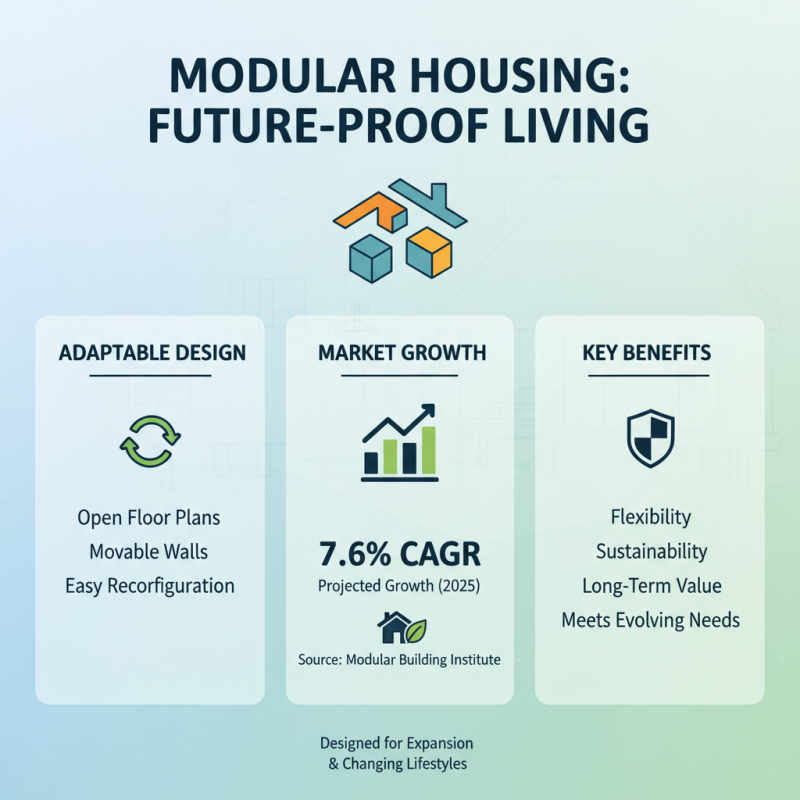
Designing modular houses with an eye toward flexibility and future expansion is increasingly important as housing demands evolve. According to a report by the Modular Building Institute, the modular construction market is projected to grow at a compound annual growth rate of 7.6% through 2025. This growth is driven by a need for sustainable and customizable housing solutions that can adapt as families and communities change. Incorporating flexible design elements at the outset—such as open floor plans and movable walls—enables homeowners to reconfigure their living spaces without needing extensive renovations. This adaptability not only enhances the usability of the home but also contributes to long-term value and sustainability.
In addition to initial design flexibility, it's crucial to consider future technological advancements and environmental factors. A study by McKinsey found that by 2040, smart home technology is expected to significantly influence the design and functionality of homes. Integrating infrastructure for smart technology and energy-efficient systems during the design phase can facilitate future upgrades and expansions. Moreover, modular homes built with scalable sections allow for easy additions when family needs change or when space requirements increase. This approach not only maximizes living space but also minimizes construction waste, aligning with the broader trend toward sustainable building practices. Emphasizing flexibility and foresight in design ensures that modular homes remain practical and relevant over time.