10 Essential Tips for Designing Your Modern Modular House
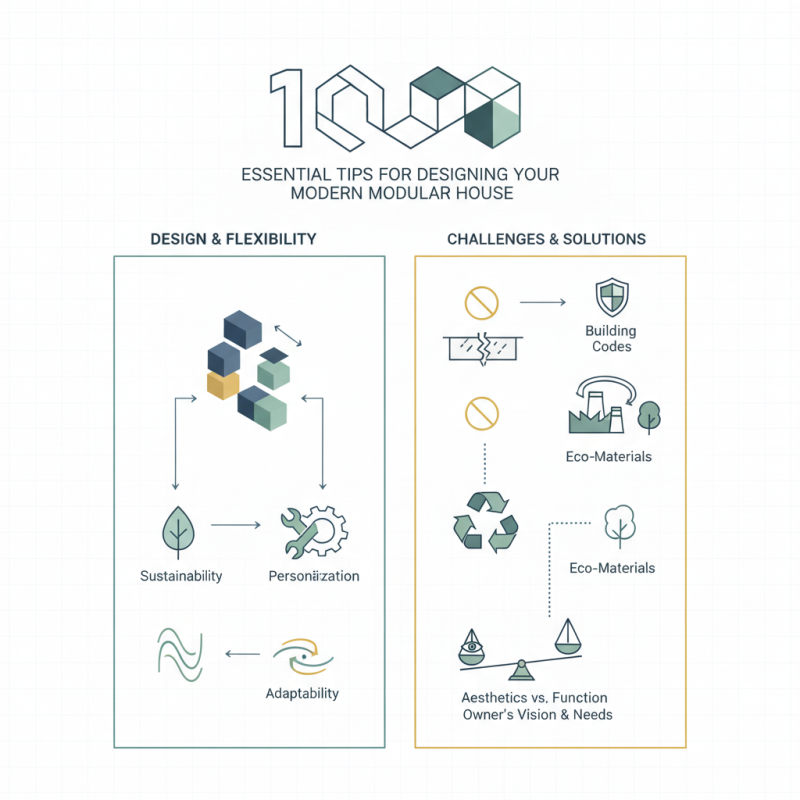
Designing a modern modular house can be both exciting and challenging. As architect Dr. Emily Chen has noted, "A modern modular house offers flexibility in design and sustainability." This flexibility allows homeowners to personalize their spaces while considering eco-friendly options.
Creating a modern modular house means thinking outside traditional boundaries. Size, layout, and materials can be adjusted to fit various lifestyles. However, it’s important to avoid common pitfalls. Many overlook the significance of local building codes or the environmental impact of materials.
Attention to detail is essential in this process. Balancing aesthetics and functionality can lead to unique designs. Yet, it can also result in tough choices that may cause regret later. A successful modern modular house should reflect the owner’s vision while meeting practical needs.
Understanding Modern Modular House Design Principles
Designing a modern modular house requires understanding key principles. Focus on functionality as the main goal. Each space should serve a purpose. Think about how you live day to day. Open floor plans often promote a sense of connection. Large windows can invite natural light. This can enhance your mood and make rooms feel spacious.
Material selection is critical in modern design. Sustainable materials are in demand. They not only help the environment but can also lead to energy savings. However, balancing aesthetics with practicality is challenging. Not every trendy material will hold up over time. Regular maintenance may be required to keep your home looking new.
Finally, consider the layout carefully. The flow of spaces matters. A poorly designed layout can lead to frustration. Make sure that rooms connect well. Measure your needs realistically. Sometimes, what looks good on paper may not work in reality. Flexibility allows for changes down the line, which is crucial in modular design.
10 Essential Tips for Designing Your Modern Modular House
Tip Number
Design Principle
Description
Key Feature
1
Sustainability
Focus on eco-friendly materials and energy-efficient designs.
Solar panels
2
Open Floor Plans
Encourages a sense of space and flow between rooms.
Integrated living and dining
3
Natural Light
Maximize windows and skylights to enhance natural light.
Large windows
4
Minimalism
Emphasizes simplicity and clean lines in design.
Furnishings with minimal ornamentation
5
Adaptability
Design spaces that can evolve with your needs.
Flexible room layouts
6
Outdoor Integration
Incorporate outdoor spaces into the living area.
Patios and decks
7
Smart Technology
Incorporate smart home systems for efficiency.
Automated lighting and heating
8
Material Selection
Choose durable and aesthetically pleasing materials.
Reclaimed wood, metal accents
9
Personalization
Make design choices that reflect your personality.
Customizable interior finishes
10
Budget Management
Plan a realistic budget and stick to it.
Cost-effective materials
Choosing the Right Materials for Your Modular Home
Choosing the right materials for your modular home is crucial. Start by considering durability. Some materials endure harsh weather better than others. For example, metal roofs can withstand heavy rain and snow. Wood is beautiful but needs regular maintenance to avoid decay.
Think also about insulation. Proper insulation keeps your home comfortable throughout the seasons. Materials like spray foam offer excellent energy efficiency. However, they can be pricier upfront. Balance cost with long-term savings.
Don’t overlook aesthetics. The materials you choose shape your home’s character. Stone and brick provide a timeless look. But are they necessary in all areas? Reflect on your design goals. Are you aiming for modern, rustic, or sustainable? Each choice can tell a different story about your home's identity.
Incorporating Energy Efficiency in Modular Housing
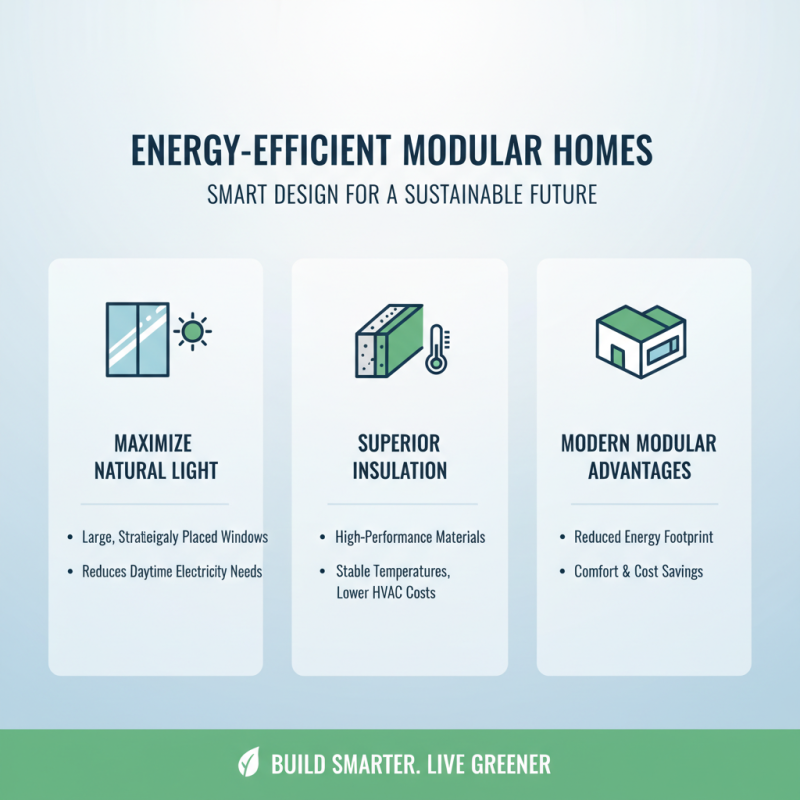
When designing a modern modular house, energy efficiency should be a priority. Incorporating natural light can reduce the need for electricity. Large windows in strategic locations can brighten interiors and enhance the atmosphere. Consider using higher quality insulation. It keeps homes warm in winter and cool in summer, reducing HVAC costs.
Using energy-efficient appliances is essential. They consume less energy, which saves money over time. However, they may have a higher upfront cost. Choosing renewable energy sources, like solar panels, can make a big difference. They provide clean energy and often lead to savings.
The layout is equally important. Open spaces can improve airflow, enhancing comfort without relying heavily on air conditioning. Landscaping plays a role too. Planting trees strategically can provide shade and reduce heat. But achieving the perfect balance can often be challenging and requires thoughtful planning.
Maximizing Space Utilization in Modular Floor Plans
When designing a modern modular house, maximizing space utilization in floor plans is crucial. According to the Modular Building Institute, modular homes can save up to 20% on construction costs. This efficiency often stems from effective space management. A well-structured floor plan can make a small area feel expansive, creating a welcoming atmosphere. Open-concept layouts are gaining popularity. These spaces minimize walls and encourage flow, but they can also pose challenges for furniture placement. Striking a balance is essential.
Consider multi-functional furniture. Pieces that serve dual purposes can significantly enhance your space. A sofa bed or an extendable dining table can transform a living area. Reports from the American Institute of Architects show that modular homes designed with smart storage solutions improve usability. Built-in shelves and under-bed drawers can help reduce clutter. However, it’s important to avoid overcrowding the space with too much furniture. This can lead to a cramped feeling.
Reflecting on modular designs, not all layouts work for every lifestyle. Customizing space according to personal needs is vital. Some may find the traditional box shape limiting. Exploring unique angles or incorporating nooks can be beneficial. However, keep practicality in mind. Every design choice should enhance, not overwhelm, your home. Finding the right balance in space utilization will make your modular house truly modern and functional.
Personalizing Your Modular Home with Aesthetic Details
When designing a modern modular house, aesthetics play a crucial role.
Personalization makes your space feel unique and welcoming. Start by selecting a color palette that resonates with you.
Soft neutrals can create calm spaces, while bold hues spark energy. Add accent walls for visual interest.
These elements can change the mood of a room entirely.
Incorporate textures to elevate your design. Natural materials, like wood and stone, bring warmth.
Fabrics like linen and cotton add comfort. Don’t shy away from mixing styles. However, be cautious; too many elements can clash.
Focus on a coherent theme that reflects your personality. Display artwork that inspires you. It could be a colorful canvas or a simple photograph.
Such details tell a story.
Consider lighting as a functional yet aesthetic feature.
Pendant lights can act as focal points. Emphasize various zones with different lighting types. Yet, sometimes, achieving balance can be tricky.
Avoid overcrowding your space with too many fixtures. Reflect on what feels right for you. Ultimately, it's about creating a home that resonates on a personal level.
Your choices should make you happy daily.