logo

10 Essential Tips for Choosing Pre-Manufactured Homes Wisely

In the evolving landscape of housing solutions, pre-manufactured homes have gained significant attention for their affordability and versatility. As more individuals and families consider this option, understanding the key aspects of making a wise choice becomes paramount. Renowned industry expert, Dr. Emily Carter, a leading voice in sustainable housing, emphasizes, "Choosing the right pre-manufactured home is not just about the structure itself, but also about the lifestyle it supports."

With a plethora of designs and specifications available, navigating the selection process can be overwhelming. By focusing on essential criteria—such as quality, customization options, and environmental impact—potential homeowners can make informed decisions that align with their needs and values. This guide aims to outline ten crucial tips for selecting pre-manufactured homes, ensuring that prospective buyers are equipped to embark on this rewarding journey with confidence and clarity.

10 Essential Tips for Choosing Pre-Manufactured Homes Wisely

Understanding Pre-Manufactured Homes: Key Features and Benefits

Pre-manufactured homes, also known as modular or manufactured homes, offer a range of key features and benefits that make them an appealing option for many prospective homeowners. One of the foremost advantages is the speed of construction. Unlike traditional site-built homes, which can take months or even years to complete, pre-manufactured homes are often ready for occupancy in a fraction of that time. This efficiency is due to the streamlined building process that takes place in a controlled factory environment, resulting in fewer weather-related delays and a higher level of quality control.

Another significant benefit is the potential for cost savings. Pre-manufactured homes typically come at a lower price point compared to their traditional counterparts, making them a more accessible option for first-time buyers. Additionally, many of these homes are designed with energy efficiency in mind, incorporating modern insulation and energy-efficient appliances that can lead to lower utility bills over time. With the ability to customize layouts and finishes according to personal preferences, pre-manufactured homes provide an opportunity for homebuyers to achieve a unique living space without breaking the bank. Overall, understanding these key features and benefits can guide individuals toward making a well-informed decision when considering a pre-manufactured home.

10 Essential Tips for Choosing Pre-Manufactured Homes Wisely

Tip Number Tip Description Key Feature Benefit
1 Research local zoning laws Compliance Avoid legal issues
2 Inspect the quality of materials Material durability Long-lasting home
3 Understand the financing options Flexible payment plans Better affordability
4 Check energy efficiency ratings Energy standards Lower utility bills
5 Consider the layout and space Functional design Maximized living space
6 Evaluate the builder's reputation Trusted contractors Quality assurance
7 Explore customization options Personalization Tailored to your needs
8 Inquire about warranty coverage Protection plans Peace of mind
9 Visit model homes Firsthand experience Informed decision
10 Understand maintenance requirements Regular upkeep Sustained home value

Assessing Your Needs: Space, Design, and Functionality Considerations

10 Essential Tips for Choosing Pre-Manufactured Homes Wisely

When choosing a pre-manufactured home, assessing your needs in terms of space, design, and functionality is paramount. Begin by carefully evaluating the size of the household and the lifestyle of its members. Consider how many bedrooms and bathrooms you require, as well as any additional rooms such as an office or a playroom for children. Think about your future needs as well; if you plan to expand your family or frequently host guests, it’s wise to select a layout that accommodates growth. Furthermore, consider outdoor space, as a patio or garden can significantly enhance your living experience.

Design preferences also play a crucial role in choosing the right pre-manufactured home. Reflect on the architectural style that resonates with you, whether it's modern, traditional, or somewhere in between. Visualizing how the home will blend with the existing environment is essential. Additionally, pay attention to functionality; open floor plans can create a spacious feel, while dedicated areas help with organization. Smart storage solutions and energy-efficient features should not be overlooked, as they contribute significantly to the practicality and sustainability of your home. Ultimately, balancing these aspects ensures that you select a pre-manufactured home that truly fits your lifestyle and personal taste.

Budgeting Wisely: Costs and Financing Options for Pre-Manufactured Homes

10 Essential Tips for Choosing Pre-Manufactured Homes Wisely

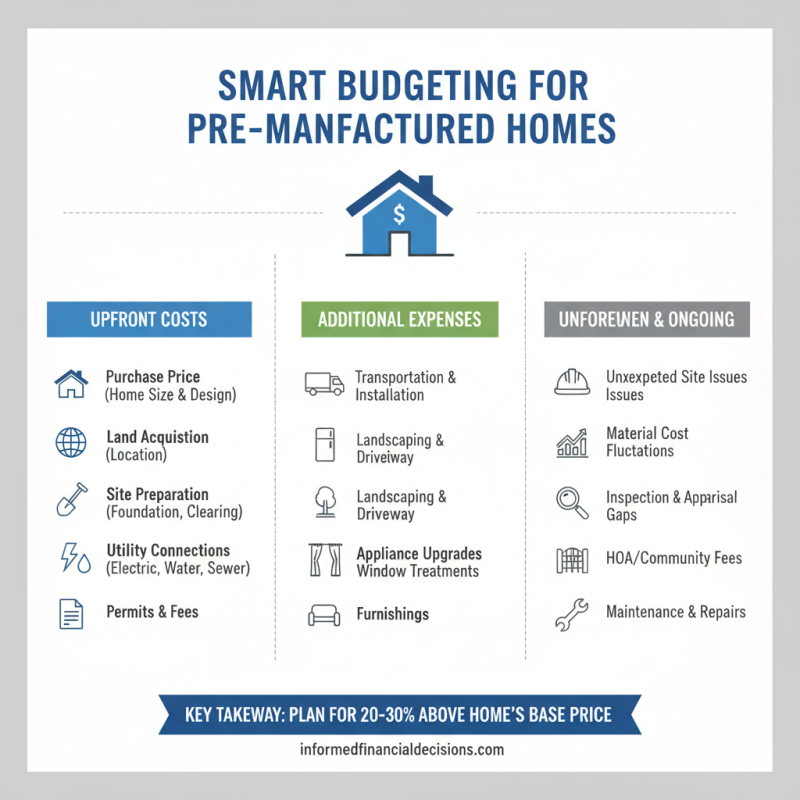
When considering the purchase of a pre-manufactured home, effective budgeting is essential to make informed financial decisions. The upfront costs can vary significantly based on factors such as size, design, and location. Start by determining a realistic budget that includes not just the purchase price of the home but also additional expenses such as land acquisition, site preparation, utility connections, and necessary permits. It is crucial to account for any unforeseen costs that may arise during the setup process, ensuring that you remain financially prepared.

Financing options for pre-manufactured homes are diverse and can significantly impact your overall investment. Many buyers opt for traditional mortgages, but there are specialized loans designed specifically for manufactured homes, which can offer more favorable terms. Additionally, some lenders provide financing that covers both the home and the land it occupies. Investigating various financing options, understanding the interest rates, and comparing loan terms can help you find the best financial arrangement for your specific situation. Be sure to also consider government-backed loans that could provide lower down payment requirements, making homeownership more accessible.

Researching Manufacturers: Quality, Reputation, and Customer Reviews

When selecting a pre-manufactured home, one of the most critical steps is thoroughly researching potential manufacturers. The quality of the construction, the materials used, and the level of craftsmanship can vary significantly between companies. Therefore, it's essential to examine the reputation of each manufacturer. Start by looking for online resources such as industry publications, homebuilding forums, and consumer advocacy websites that provide insights into different manufacturers’ standings.

Additionally, customer reviews offer a wealth of information that should not be overlooked. These reviews can highlight the experiences of previous buyers, shedding light on aspects like customer service, post-purchase support, and the longevity of the homes. Pay attention to both positive and negative feedback, as it can give you a balanced perspective. Engaging with communities of homeowners who have purchased pre-manufactured homes can also help you gather firsthand accounts and potential recommendations, ensuring a more informed decision.

Customer Ratings of Pre-Manufactured Home Manufacturers

This chart showcases the average customer satisfaction ratings for various important factors when choosing pre-manufactured homes. Key aspects include Quality, Reputation, Customer Service, Price, and Variety of Designs, rated out of 10.

Site Selection: Evaluating Land, Zoning, and Accessibility Requirements

When considering pre-manufactured homes, the selection of the site is crucial, as it directly impacts both the convenience and legal aspects of your home. Begin by evaluating the land itself: topography, soil quality, and environmental conditions can affect both construction and long-term livability. It's essential to have a thorough understanding of the drainage patterns and any potential hazards, such as flood zones or unstable ground. Good land ensures that your investment will stand the test of time and resist potential damage from environmental factors.

Zoning regulations are another key factor to investigate. Each area has specific rules governing the type of structures that can be built and the land's intended use. To avoid complications in the future, check local zoning laws to ensure that the pre-manufactured home you desire is allowed on the chosen site. Engaging with local authorities early in the process can clarify any permitting or compliance issues that may arise.

Accessibility requirements also play a significant role in site selection. Evaluate how easily the location can be reached via public transportation, and consider proximity to essential services like schools, hospitals, and shopping areas. If you're planning on retiring in your new home, consider how accessible the site is for those with mobility challenges. A well-chosen site not only enhances your daily life but also preserves the value of your home over time.