Choosing the right modular home kits can be a daunting task. This industry is full of options, features, and potential pitfalls. As expert architect Sarah Jennings states, "Selecting the right kit is about balancing quality and cost.” Her insight highlights the complexities involved in making an informed decision.
Modular home kits offer flexibility and innovation, but they also come with challenges. It’s crucial to assess each option carefully. The materials, design, and manufacturer reputation can all impact your final choice. You need to envision how each element fits into your lifestyle and budget. Reflecting on your needs will help guide your decision-making process.
Furthermore, not all kits are created equal. Some may promise outstanding features but fail to deliver in real-life scenarios. A careful review of reviews and past customer experiences can provide insights. In the end, the selection of modular home kits should reflect not just your preferences but also practical considerations for the long-term.
Understanding Modular Home Kits and Their Advantages
Modular home kits are becoming popular for those seeking efficient and customizable housing solutions. These kits provide the framework for building a home while allowing flexibility in design. This means that you can have a functional living space tailored to your needs, without breaking the bank. Many people appreciate that these homes can be constructed more quickly than traditional houses. This is especially beneficial for families looking for immediate housing options.
Understanding the advantages of modular homes is essential. They often incorporate energy-efficient materials and practices. This can lead to lower utility bills over time. Additionally, many modular homes are built in a controlled factory environment. This not only reduces construction waste but also often enhances the quality of the final product. It's crucial to consider potential limitations, such as the need for a permanent foundation. Each location may present unique challenges, and not all sites are suitable for modular construction. Keeping these factors in mind can lead to better decisions in your home-building journey.
10 Essential Tips for Choosing Modular Home Kits - Understanding Modular Home Kits and Their Advantages
Tip Number
Tip Description
Considerations
Advantages
1
Research Modular Builders
Check reviews and portfolios
Quality assurance
2
Establish Your Budget
Include all potential costs
Prevents overspending
3
Select the Right Design
Consider family needs and future growth
Maximizes living space
4
Check Local Regulations
Understand zoning laws and permits
Ensures compliance
5
Evaluate Energy Efficiency
Look for eco-friendly options
Lower utility costs
6
Choose a Reputable Supplier
Seek recommendations
Ensures reliable delivery and service
7
Inspect the Materials
Check for quality and durability
Increases longevity
8
Review Shipping and Assembly Options
Understand logistics and timelines
Reduces delays
9
Plan for Future Maintenance
Consider ease of repairs and upgrades
Sustains property value
10
Get Professional Help
Hire an expert for guidance
Ensures informed decisions
Key Factors to Consider When Selecting a Modular Home Kit
When selecting a modular home kit, several key factors can significantly influence your decision. Firstly, consider the design flexibility. Modular homes come in various styles, but some kits offer limited customization. According to the Modular Building Institute, about 90% of potential homeowners value design options in their housing choices. Opt for kits that allow you to modify layouts or choose finishes to suit your personal style.
Another critical factor is energy efficiency. Many modern modular homes are built with sustainable materials and energy-efficient systems. The Department of Energy reports that modular homes can save homeowners up to 20% on energy costs compared to traditional homes. Investigate insulation ratings, window efficiency, and HVAC systems to ensure you choose a kit that will lower long-term expenses.
Quality assurance is also essential. Not all kits maintain the same level of structural quality. You may encounter companies that offer bargain prices but compromise on durability. Research reviews and seek testimonials from previous buyers. A report from the Housing Industry Association suggests that 30% of buyers experience issues with quality in their modular homes. Strive for a balance between cost and quality to avoid future regrets.
Assessing Quality: Materials and Construction Standards
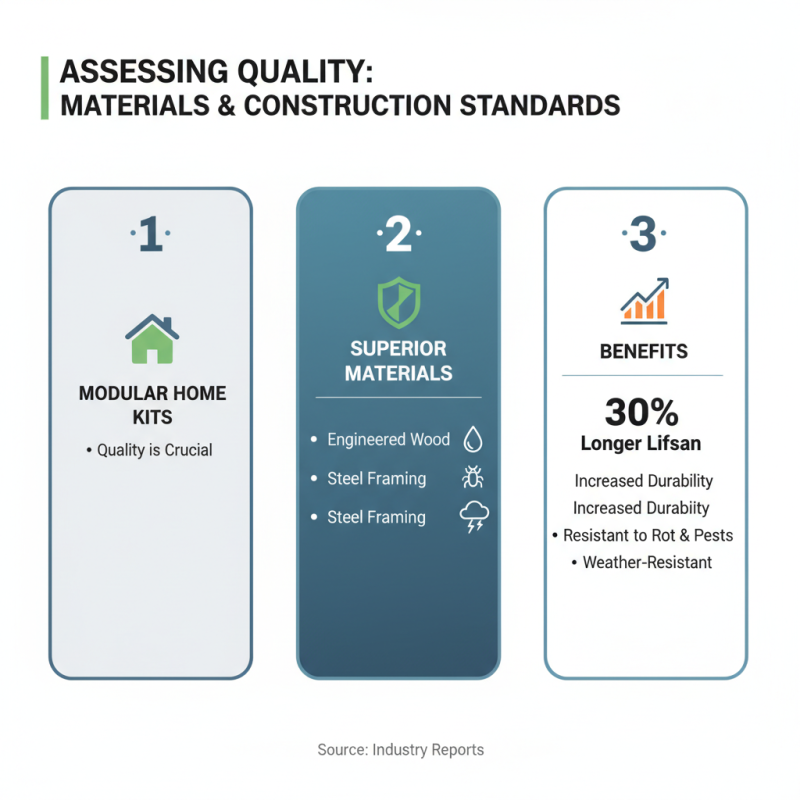
When choosing modular home kits, assessing quality is crucial. The materials used significantly impact longevity and safety. Reports indicate that homes constructed with high-grade materials can last up to 30% longer than those made with inferior options. Commonly, options like engineered wood and steel framing offer superior durability. These choices are more resistant to rot, pests, and extreme weather.
Construction standards must also be evaluated. Modular homes should meet local building codes as a baseline. The U.S. Department of Housing and Urban Development (HUD) emphasizes the importance of these standards, noting an increase in safety and energy efficiency when adhered to properly. It is concerning that not all manufacturers maintain stringent quality checks. In fact, about 15% of modular homes inspected have reported non-compliance with key standards.
Lastly, certification from recognized entities assures reliability and quality. Homes certified by organizations like the International Code Council (ICC) have documented adherence to strict safety and performance guidelines. Unfortunately, not every kit will come with such credentials. Prospective buyers should diligently verify this information to avoid potential pitfalls. Choosing the right modular home kit requires careful consideration of both materials and compliance with construction standards.
Evaluating Design Options and Customization Possibilities
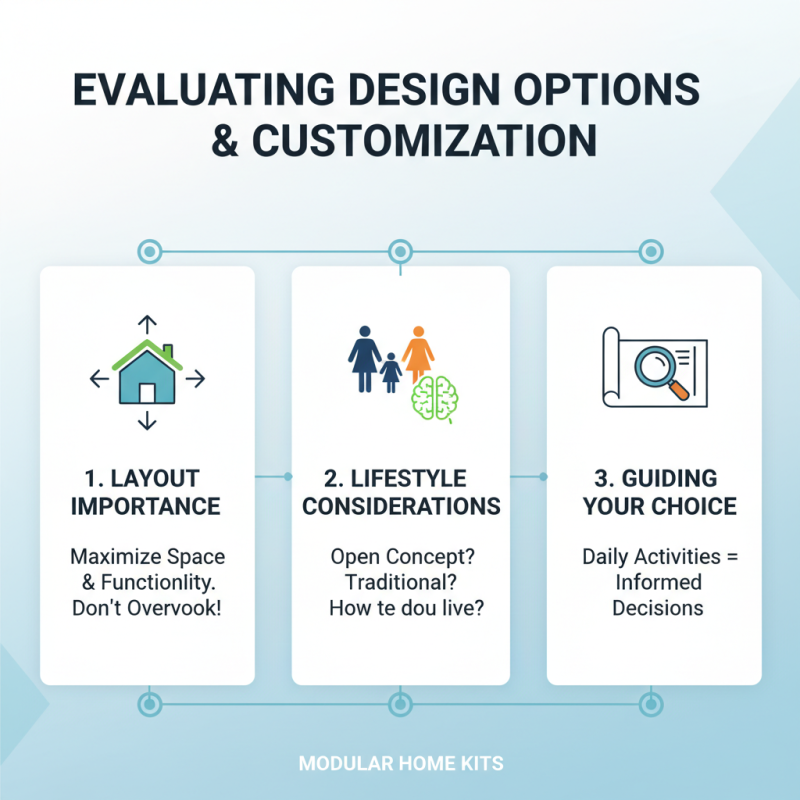
When choosing modular home kits, evaluating design options is critical. Many people overlook the importance of layout. A well-thought-out design maximizes space and enhances functionality. Consider how each room will serve your lifestyle. Do you need an open concept for family gatherings? Or is a more traditional layout preferred? Understanding your daily activities will guide your choice.
Customization possibilities add another layer to your decision-making. Modular homes often offer various finishes, fixtures, and layouts. Explore numerous exterior styles to ensure the home fits your aesthetic. However, customization can become overwhelming. Keep your budget in mind. Many homeowners desire unique features but may not realize the costs involved. Striking a balance between personal style and practicality is essential.
Evaluate not only what looks good but also what works well. Durability and energy efficiency matter for long-term living. Research materials and construction methods offered in the kits. Remember, the goal is to create a home that reflects your vision while meeting functional requirements. Make informed choices to ensure lasting satisfaction.
Budgeting for Your Modular Home: Costs and Financing Considerations
When budgeting for a modular home, understanding costs is essential. The average modular home costs
between $50 to $100 per square foot, depending on the design and materials. Builders often cite that the
total construction cost, including land, falls between $150,000 to $350,000.
This information helps in estimating your financial commitment accurately.
Financing a modular home can be complex. Traditional mortgage lenders often treat modular homes similarly to site-built homes.
However, some lenders specialize in modular home financing. In fact, the
National Association of Home Builders reports that many buyers leverage
FHA loans, which may offer lower down payments.
Remember, quality varies; some cheaper kits may lead to higher long-term costs due to repairs or inefficiencies.
Always prepare for hidden costs. Site preparation can be a significant part of your budget. If unforeseen issues arise,
they can derail your plans. It's crucial to have a buffer for these potential expenses.
Understanding these financial aspects will lead to better decision-making, helping you avoid pitfalls.
Modular homes can provide value, but careful planning is key.