logo

What Are the Essential Surgical Instruments Every Surgeon Needs?

Surgical Instruments play a crucial role in the operating room. Every surgeon relies on essential tools to perform procedures effectively. These instruments are not just metal objects; they are vital for patient safety and successful outcomes.

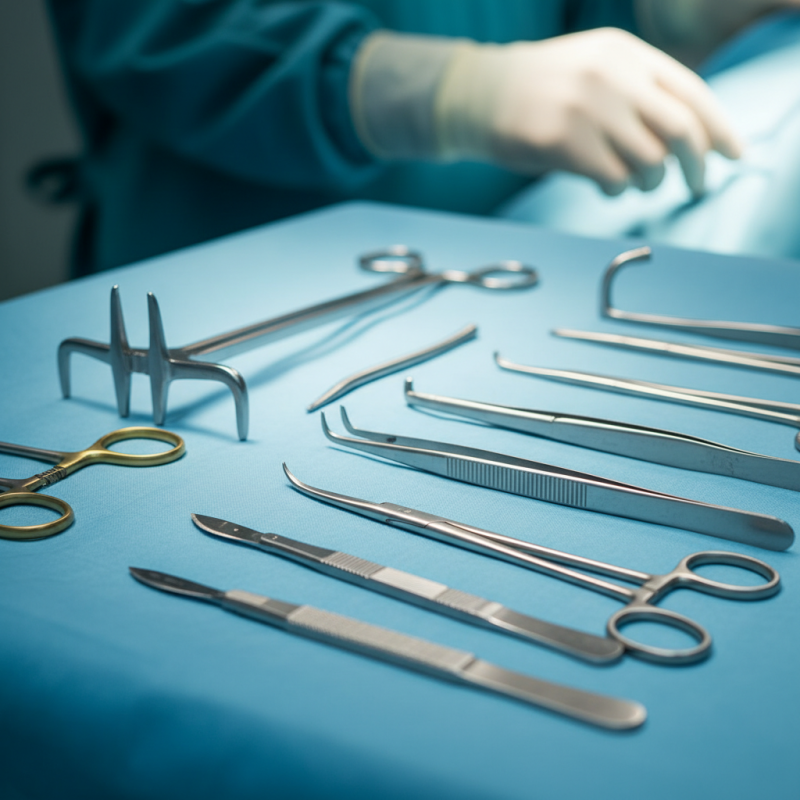
Surgeons require a variety of surgical instruments. Scalpels, forceps, and scissors are essential for precision. Other tools, like retractors and clamps, help maintain visibility and control during surgery. Each instrument has a specific purpose and design that aids in the surgical process.

However, the choice of surgical instruments can vary by specialty. Some instruments may become outdated or ineffective, requiring reassessment. It is vital for surgeons to continuously reflect on their toolsets. Choosing the right surgical instrument can be the difference between success and complications. Good practices include regular evaluation and maintenance of instruments to ensure they remain functional and reliable.

What Are the Essential Surgical Instruments Every Surgeon Needs?

Essential Surgical Instruments for Various Types of Surgery

Surgical instruments vary based on the type of procedure. Each instrument serves a specific purpose. For example, during general surgery, scalpels are essential. They allow precise incisions. Forceps are another common tool. They aid in grasping tissue effectively.


In orthopedic surgeries, bone saws are crucial. They help in shaping and removing bone accurately. Drill bits also play an essential role. They create holes in bones for screws and plates. These tasks require high precision and skill.


However, the reliance on these tools can lead to issues. Improper use may result in complications. Surgeons must regularly review their techniques. The mastery of instruments is a continual process. Mistakes can happen, reminding us to stay vigilant and reflect on our practices. Each instrument has a unique story. Understanding that is crucial for every surgical team.

Common Surgical Handheld Instruments Every Surgeon Should Know

Surgeons rely on a variety of handheld instruments during procedures. These tools are crucial for precision and safety. Common instruments include scalpels, scissors, and forceps. Each tool serves a unique purpose. For instance, scalpels are essential for making incisions. Their sharpness allows for clean cuts, minimizing trauma to tissues.

Forceps come in different shapes and sizes. They are used to grasp tissue or foreign objects. However, choosing the right forceps is sometimes challenging. A surgeon may not always grab the ideal type during a procedure. Scissors also play a vital role, especially in cutting sutures or tissues. They must be durable yet delicate enough for intricate work.

Surgeons often face pressure in the operating room. An unexpected situation can lead to mistakes. While these instruments are designed for safety, human error still exists. A miscalculation can result in complications. Continuous practice and learning are essential for mastering these tools.

Specialized Tools for Minimally Invasive Surgical Procedures

Minimally invasive surgical procedures have gained popularity due to their numerous benefits, including reduced recovery time and less postoperative pain. Essential tools for these surgeries include specialized instruments such as laparoscopes, graspers, and electrocautery units. According to the American Society of Colon and Rectal Surgeons, the use of minimally invasive techniques has increased by over 60% in the last decade, reflecting a growing trend in surgical practices.

One vital tip for surgeons is to ensure that instruments are streamlined for ease of use. Instruments should be ergonomically designed to reduce fatigue during long procedures. Additionally, maintaining a sterile environment is crucial. Every surgeon must understand that even the most advanced tools can fail if not properly sanitized.

Another aspect to consider is the adaptability of equipment. Not all procedures require the latest technology. Sometimes, conventional tools may be more effective in specific scenarios. A study published in the Journal of Surgical Research notes that surgical outcomes improved in some cases when basic instruments were prioritized over advanced ones. This suggests a need for thoughtful evaluation of instrument selection.

What Are the Essential Surgical Instruments Every Surgeon Needs? - Specialized Tools for Minimally Invasive Surgical Procedures

Instrument Name Description Common Uses Material
Laparoscope A thin, lighted tube with a camera used to visualize the inside of the abdomen. Gallbladder removal, hernia repair. Stainless steel and plastic.
Trocars Instruments used to create an opening for inserting other instruments. Access needed for laparoscopic surgeries. Stainless steel.
Scissors Specialized scissors designed for cutting tissues and sutures. Tissue dissection, suturing procedures. Stainless steel.
Forceps Pinching instruments used to grasp tissues or vessels. Holding grasping tissues during surgery. Stainless steel.
Electrocautery Device that uses electrical current to cut tissue and coagulate blood. Minimizing bleeding during surgical procedures. Various metals and insulators.
Needle Holder Instrument designed to hold a suturing needle for stitching tissues. Suturing wounds or surgical sites. Stainless steel.

Instrument Maintenance: Ensuring Longevity and Sterility

Maintaining surgical instruments is crucial for ensuring both longevity and sterility. According to the World Health Organization, improper handling of surgical tools can lead to infection rates as high as 25%. Regular maintenance helps prevent such complications, making it essential in any surgical setting.

Sterilization is the first step. Autoclaving is commonly used, but its effectiveness relies on proper loading and maintenance of the machine. Instruments need to be cleaned thoroughly before sterilization. Blood and tissue residues can harbor harmful bacteria. A study by the Association for the Advancement of Medical Instrumentation highlights that 80% of surgical site infections are linked to unclean instruments.

Tips: Always inspect instruments for damage and rust. Replace any that show signs of wear. Storing them in a dry, clean environment extends their lifespan. Furthermore, using a tracking system can help ensure all instruments are accounted for after procedures. Overlooking even one instrument can pose serious risks.

Regular training on instrument care is essential for staff. Knowledge gaps can lead to significant mistakes. It’s crucial to continuously evaluate and improve maintenance protocols. Regular audits can identify areas needing attention, fostering a culture of safety within surgical teams.

Innovative Surgical Instruments Shaping the Future of Surgery

The landscape of surgery is rapidly evolving. Innovative surgical instruments are driving advancements that enhance safety and effectiveness. Recent studies indicate that over 60% of surgeons believe new instruments improve patient outcomes. Tools like robotic systems allow for precision beyond human capability. These developments reduce recovery times and minimize complications. However, they also present challenges. Surgeons must adapt their skills to new technology, which can be daunting.

Many hospitals are investing heavily in innovative instruments. A report from the Global Surgical Instruments Market predicts a growth rate of 10% annually. This trend highlights a shift towards minimally invasive procedures. While these techniques show promise, they also require rigorous training and adaptation from surgical teams. Not every surgeon feels confident using these tools immediately. There is a learning curve that can affect patient safety and trust.

Despite progress, not all innovations prove effective. Some instruments may not yield the expected benefits or can complicate simple procedures. It’s crucial for the medical community to critically evaluate new technologies. Balancing innovation with practicality is essential. As surgical practices evolve, reflecting on both successes and shortcomings will shape the future of surgery.

Essential Surgical Instruments Usage by Type