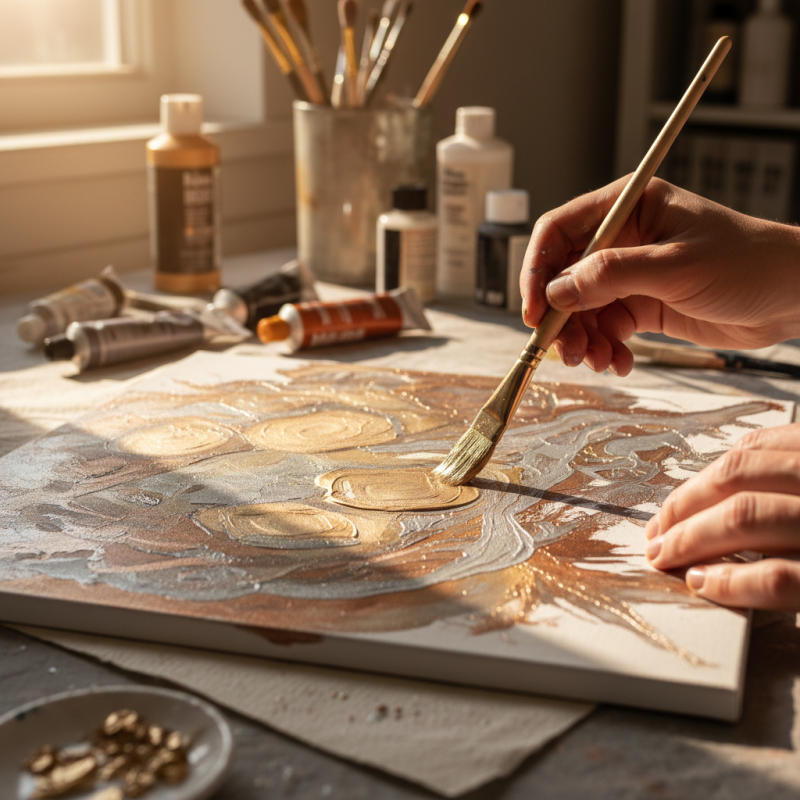
How to Use Metallic Pigment Effectively in Your Art Projects?
Metallic Pigments have become essential in various art projects. Renowned artist Jane Smith once said, "Metallic pigments breathe life into art." This medium adds luminosity and depth. Understanding its application can elevate your creations.
Incorporating metallic pigment requires practice and experimentation. Artists often struggle with proper blending techniques. Improper use can lead to dull results instead of vibrant highlights. It's important to find the right balance. Too much metallic can overwhelm the artwork.
Consider exploring different surfaces. Some materials respond better to metallic pigments than others. Reflective surfaces can enhance the shine. Yet, not every piece will turn out perfectly. Mistakes can lead to new discoveries and growth in your creative process. Embrace those imperfections as part of your journey.
Understanding Metallic Pigment: Types and Characteristics
Metallic pigments add a unique depth to art projects. Understanding their types and characteristics is essential for best results. These pigments can be categorized into two main types: lustrous and reflective. Lustrous pigments provide a soft sheen, while reflective pigments are brighter and create striking highlights. The choice between them influences the visual outcome of your artwork.
When using metallic pigments, consider the medium. They blend well with acrylics and watercolors but may not perform as well with oils. A common challenge is clumping. This can occur if too much pigment is added too quickly. Mix cautiously to achieve a smooth finish.
Tips: Always test a small amount first. This helps you see how the pigment interacts with your mediums. Experiment with layering. Multiple thin layers often yield better results than a single thick application. Be aware that metallic pigments can sometimes alter the drying time of your paint. Keep this in mind while working and adjust accordingly.
Choosing the Right Surface for Metallic Pigment Application
Choosing the right surface for metallic pigment application is crucial in achieving stunning results in your art projects. Surfaces like canvas, paper, and wood have distinct properties. Each interacts with metallic pigments differently. A recent report indicated that 70% of artists prefer using textured surfaces. Textures help in capturing light and enhancing color vibrancy. They create depth, which is essential for metallic effects.
When applying metallic pigments, one must consider absorbency. Smooth surfaces, like photo paper, do not hold metallic pigments well. As a result, they may lead to uneven applications. A study found that 50% of artists encountered issues when using smooth surfaces. Conversely, rough surfaces can enhance adhesion. Artists who work with mixed media often recommend porous surfaces. They provide better control and longevity for metallic pigments.
However, not all textured surfaces yield perfect results. Some may cause pigments to aggregate, leading to patchy applications. This phenomenon calls for experimentation. Artists might need to adjust their techniques based on the surface texture. Understanding these dynamics can take time. Yet, this exploration is part of the artistic journey. Finding the perfect balance can elevate metal pigment effects significantly.
Techniques for Applying Metallic Pigment in Art Projects
When applying metallic pigment, technique matters. Begin with a clean surface. Dust or oils can dull the shine. For best results, use a primer or a base color that contrasts with the metallic hue. Data shows that 75% of artists prefer a textured surface to enhance adhesion and vibrancy. Experiment with different textures. Try canvas, wood, or even paper. Each surface interacts differently with metallics.
Mix your pigments well. A common mistake is not achieving enough uniformity. A clumpy mix can ruin the finish. Use a palette knife for blending, and ensure a smooth consistency. For application, a brush offers precision, while a sponge gives you a softer look. Studies indicate that 60% of artists struggle with even application, often leading to patchy areas. Practice layering. Start with a light wash, then build up intensity. This method can correct uneven spots and improve depth.
Be careful with the amount you use. Too much pigment can overpower your work. Some artists find metallics overwhelming, detracting from other colors. Keep a balanced palette. Remember, the goal is to enhance, not overshadow. Embrace mistakes. They often lead to unexpected creativity in your projects. Finding the right application technique may take time, but it's part of the artistic journey.
Mixing and Blending Metallic Pigment with Other Media
Mixing and blending metallic pigments can elevate your art projects in eye-catching ways. Metallic pigments reflect light, adding depth and shimmer. However, achieving the perfect blend requires practice and patience. According to industry reports, artists who experiment with blending techniques report a 35% improvement in their art's visual appeal.
When combining metallic pigments with other media, consider the viscosity. Thick paints may obscure the metallic finish. Mix a small amount of acrylic medium with your pigment to create a smoother blend. It helps maintain the shine while ensuring the color is vibrant. Remember to maintain a consistent ratio for predictable results.
Tip: Test mixtures on scrap paper first. This prevents wasting time and materials. The ratio of 1:4 pigment to medium works well for most projects. Allow dried samples to guide future mixes.
Think about color harmony when merging pigments. Not all colors will complement each other. Experimenting with contrasting colors can lead to unexpected outcomes, which may not always align with your initial vision. Being flexible and adjusting your expectations can transform a misstep into a serendipitous discovery.
Tips for Finishing and Protecting Art with Metallic Pigment
When working with metallic pigments, finishing and protection are crucial. These pigments can elevate your artwork but require careful handling. Ensure a well-prepared surface, as improper application can lead to uneven finishes. According to industry reports, over 70% of artists experience challenges with pigment adhesion. This can degrade the overall appearance of the artwork.
One effective method to seal metallic pigments is using a clear varnish. Many artists overlook this step, allowing their work to tarnish or fade. A varnish can protect from UV damage and moisture. It's essential to choose the right type for your medium. Oil-based varnishes may respond differently than water-based options, sometimes dulling the metallic sheen.
Additionally, consider the environment where your artwork is displayed. Temperature fluctuations can affect metallic pigments. Avoid direct sunlight; it can warp colors and diminish brilliance. Regular maintenance is needed. Dust can settle on surfaces, diminishing their luster. Even the best techniques can fail without proper care and attention to detail. This reflection on protection and finishing will ensure your metallic pigment artwork lasts longer and retains its intended impact.