logo

How to Design Your Own Modular Cottage Homes for Sustainable Living?

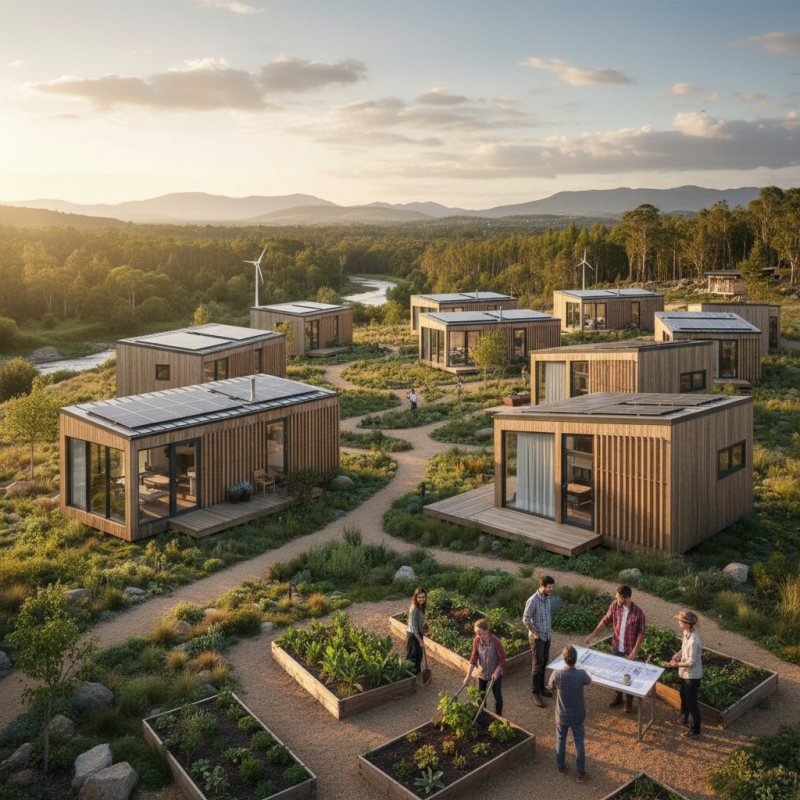
In recent years, modular cottage homes have gained traction as a sustainable living option. A report from the Modular Home Builders Association states that the modular home market is expected to grow by 15% annually. This rise is driven by a growing desire for environmentally friendly housing solutions.

Expert David Thompson, a leading figure in the modular housing industry, emphasizes, "Modular cottages offer both efficiency and sustainability." His words reflect a shift towards homes that minimize ecological footprints. These homes often utilize renewable materials and energy-efficient designs.

However, challenges exist in the modular cottage realm. Homeowners must navigate zoning laws and potential limitations on design. Engaging with local communities is essential. As the interest in modular homes increases, so does the need for thoughtful planning and design. Balancing innovation with practicality is crucial for truly sustainable living.

How to Design Your Own Modular Cottage Homes for Sustainable Living?

Understanding Modular Home Design Principles for Sustainability

How to Design Your Own Modular Cottage Homes for Sustainable Living?

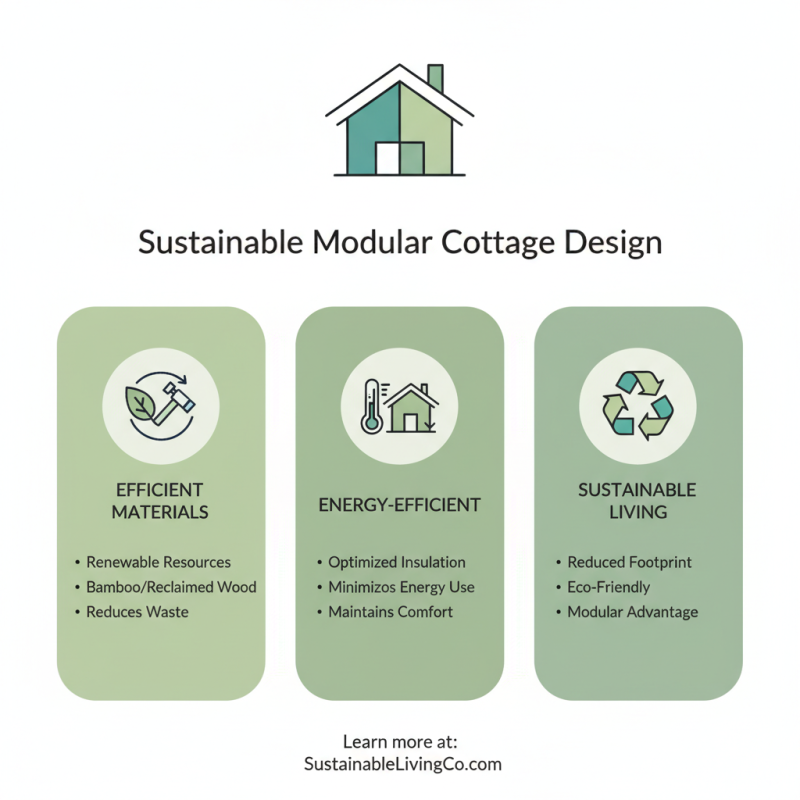
When designing a modular cottage for sustainable living, understanding the principles of modular home design is essential. Start with efficient use of materials. Opt for renewable resources like bamboo or reclaimed wood. This choice reduces waste and enhances sustainability. Look for insulation options that minimize energy consumption. Use sustainable materials that maintain warmth and comfort.

Space efficiency is another key aspect. Each module should serve multiple functions. A living area can double as a workspace. Consider the layout carefully. Natural light is crucial for mood and energy savings. Use large windows and skylights wisely. But be aware of maintenance challenges with larger openings.

Lastly, think about the environmental impact. Incorporate systems for rainwater collection and solar energy. These features require planning but can provide significant benefits. Reflect on the trade-offs involved, such as initial costs versus long-term savings. Modular homes are a journey towards sustainable living, with constant adjustments required along the way.

Choosing Eco-Friendly Materials for Your Cottage Build

Choosing the right materials for your cottage is essential for sustainable living. Eco-friendly options abound. Think of wood sourced from sustainable forests. Bamboo is an excellent choice too. It grows quickly and is renewable. Reclaimed wood adds character. It has a history and helps the environment.

Consider straw bales for insulation. They are natural and energy-efficient. However, ensure they are sealed properly. This prevents mold and pests. Natural clay or lime-based plasters can be used for finishing. They are breathable and reduce indoor air pollutants. Always test these materials before full application.

Using recycled materials can be challenging. They might require extra time for sourcing and preparation. Some may not meet building codes. However, the benefits often outweigh the drawbacks. It feels good to use something once discarded. Design your cottage with these materials in mind, and maintain a flexible approach throughout.

Incorporating Energy Efficiency into Modular Cottage Homes

Designing modular cottage homes with energy efficiency in mind is crucial for sustainable living. According to the U.S. Department of Energy, energy-efficient homes can save homeowners approximately 30% on energy costs annually. This significant reduction helps not only the environment but also individual budgets. Using high-performance insulation and energy-efficient windows is essential. These materials can help maintain comfortable interior temperatures with less reliance on heating or cooling systems.

Incorporating renewable energy sources also plays a vital role. Solar panels can provide a substantial portion of a cottage's energy needs. A report from the National Renewable Energy Laboratory states that properly placed solar panels can produce up to 80% of a typical home's electricity usage. However, homeowners must consider the initial installation costs, which can be prohibitive. Additionally, modular designs can include features like green roofs or rainwater harvesting systems. These elements can enhance sustainability but may require careful planning and maintenance.

While striving for energy efficiency, some designs may sacrifice aesthetic appeal or personal style. It's important to balance functionality and design. Not every modular home will perfectly align with sustainable goals. There are trade-offs to consider, such as space optimization versus energy-efficient layouts. Reflecting on these compromises can guide better decisions in future designs.

How to Design Your Own Modular Cottage Homes for Sustainable Living? - Incorporating Energy Efficiency into Modular Cottage Homes

Feature Description Benefits
Solar Panels Photovoltaic solar panels installed on the roof to harness sunlight. Reduces electricity bills and carbon footprint.
Rainwater Harvesting System to collect and store rainwater for non-potable uses. Conserves water and reduces dependency on municipal sources.
Insulation High-performance insulation materials used in walls and roofs. Enhances energy efficiency and comfort inside the home.
Sustainable Materials Use of reclaimed wood, bamboo, or recycled materials for construction. Reduces environmental impact and promotes resource conservation.
Energy-efficient Windows Double or triple-glazed windows with low-emissivity coatings. Minimizes heat loss and enhances natural light.

Designing Flexible Layouts for Modular Living Spaces

Designing flexible layouts for modular living spaces allows for adaptability. As more people embrace sustainable living, modular homes have become popular. According to a recent report by the Modular Building Institute, modular construction can reduce waste by up to 90%. This is crucial for those wishing to minimize their environmental impact.

Creating versatile layouts is essential. Think about open spaces that can serve multiple functions. For instance, a living room can easily become a workspace with the right design. Use movable partitions or multifunctional furniture. This maximizes space without sacrificing comfort. Research suggests that 75% of homeowners prefer adaptable spaces to meet changing needs.

**Tips:** Consider the direction of sunlight. Positioning rooms based on natural light makes them feel more inviting. Don’t overlook storage; clever storage solutions can transform a small area.

Focus on the materials you use. Sustainable options are available, but they can be more expensive. Sometimes, the compromise on aesthetics for reusability is hard to accept. However, prioritizing durability can save costs long-term.

Modular Cottage Homes Design Popularity by Year

Utilizing Renewable Energy Sources for Sustainable Operations

How to Design Your Own Modular Cottage Homes for Sustainable Living?

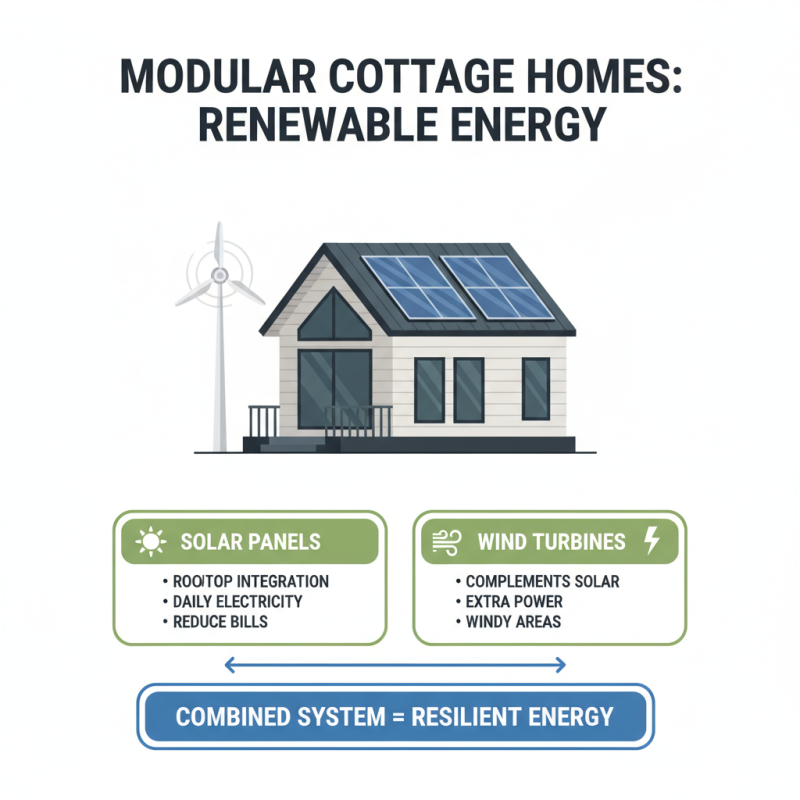
When designing modular cottage homes, using renewable energy sources is crucial. Solar panels can provide electricity for daily needs. They can be integrated into the roof design or installed nearby. The use of wind turbines can also complement solar energy. A small turbine may provide extra power, especially in windy areas. Combining these sources creates a resilient energy system.

Water conservation is often overlooked. Rainwater harvesting systems can maximize sustainability. A simple system collects water from the roof. This water can be used for gardening or even indoor use, after proper filtration. Additionally, composting toilets can reduce reliance on traditional plumbing. They use no water, saving resources and energy.

Building with sustainability in mind can be challenging. Sourcing eco-friendly materials requires extra effort. Not every option is perfect, and there are always compromises. Local resources may have limitations. Designs must adapt to the landscape and climate, creating a unique challenge. However, these hurdles often lead to creative solutions. Reflection on one's choices is essential in making truly sustainable decisions.