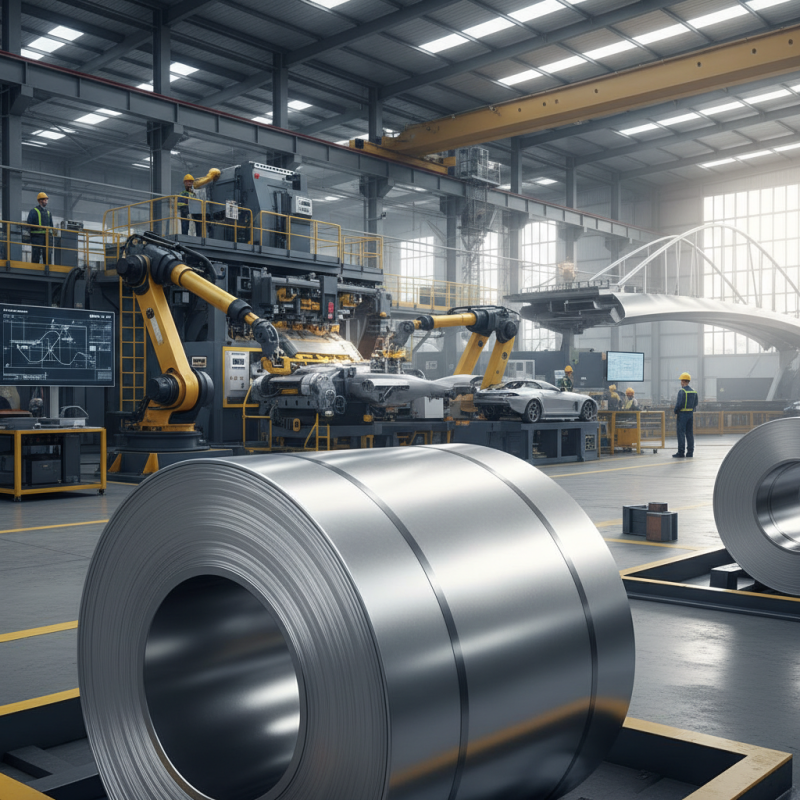
What is Coiled Stainless Steel and Its Applications in Industry?
Coiled Stainless Steel is a versatile material widely used in various industrial applications. Its unique properties, including corrosion resistance and high strength, make it ideal for demanding environments. Industries such as construction, automotive, and aerospace rely on this material for its durability and efficiency.
Coiled Stainless Steel is not just strong; it is also lightweight. These characteristics lead to lower transportation costs and ease of installation. Many companies have sought its benefits to improve their products. However, challenges still exist. The market can sometimes face quality inconsistencies. Understanding these can help businesses make better choices.
As industries evolve, the demand for Coiled Stainless Steel continues to grow. This material offers potential for innovation and sustainability. Companies must stay informed and adapt to changing technologies. This is not merely about choosing a product; it is about strategic decision-making for future projects.
Coiled stainless steel is a versatile material widely used across various industries. It is manufactured by coiling stainless steel sheets into rolls. This process enhances its strength and flexibility while making it easier to transport and handle. The coiling process also helps in reducing material waste, which is vital for efficient manufacturing.
One significant advantage of coiled stainless steel is its resistance to corrosion. This property is critical in industries like food processing and pharmaceuticals. In these applications, cleanliness is crucial. Coiled stainless steel can withstand harsh cleaning agents and high temperatures, ensuring safety and hygiene. Additionally, the aesthetic appeal of stainless steel makes it a preferred choice in architecture and design.
Despite its many benefits, coiled stainless steel can pose challenges. The coiling process must be carefully managed to avoid defects, such as wrinkles or dimensional inaccuracies. Even minor errors in coiling can lead to significant issues during production. Understanding these challenges is essential for industries relying on this material. Proper training and adherence to quality standards can mitigate potential problems.
Coiled Stainless Steel Usage in Different Industries
Physical Properties of Coiled Stainless Steel
Coiled stainless steel is a versatile material used widely in various industries. Its physical properties make it a preferred choice for many applications. The strength of coiled stainless steel is remarkable, providing durability in demanding environments. This material can withstand high temperatures and corrosive conditions, which is essential in sectors like oil and gas and chemical processing.
The flexibility of coiled stainless steel allows for easy handling and installation. It can be easily formed into different shapes without losing its strength. This adaptability is beneficial for manufacturers, allowing them to create custom solutions that meet specific needs. The non-reactive nature of stainless steel also means it won’t contaminate sensitive applications, such as medical devices.
However, using coiled stainless steel does come with challenges. It can be more expensive than other materials, which impacts project budgets. This cost factor often requires careful planning and resource allocation. Additionally, achieving the desired finish may demand specialized techniques, which could complicate the manufacturing process. Overall, while coiled stainless steel has outstanding properties, industries must weigh these against the potential hurdles involved in its use.
Common Manufacturing Processes for Coiled Stainless Steel
Coiled stainless steel is a versatile material used in various industries. Its manufacturing processes are crucial to producing high-quality products. Common processes include cold rolling, hot rolling, and annealing.
Cold rolling reduces the thickness of stainless steel through a series of passes. This method enhances strength and surface finish. According to industry reports, cold-rolled stainless steel can achieve a yield strength increase of up to 25%.
Hot rolling involves heating the steel above its recrystallization temperature. This process is effective for large-scale production, known for producing coils that are easier to form. Annealing follows to relieve stresses and improve ductility.
Tips: When selecting coiled stainless steel, consider the application’s temperature and corrosive environment. Not all processes yield the same level of quality. Quality assurance during manufacturing is vital. Regular inspection can prevent future issues. Even with advanced processes, inconsistencies can arise. Continuous monitoring is essential to address potential flaws early.
Coiled stainless steel is widely used across various industries. Its durability and resistance to corrosion make it a preferred material in manufacturing. In the automotive industry, coiled stainless steel is often utilized for exhaust systems and structural components. Reports indicate that stainless steel usage in automotive applications grew by over 10% in the last five years.
The food processing industry also significantly benefits from coiled stainless steel. This material is easy to clean and maintain. It prevents contamination and complies with health regulations. Approximately 30% of new food processing facilities last year incorporated stainless steel in their design, ensuring safety and efficiency.
In construction, coiled stainless steel is valued for its strength. It's used in railings, beams, and pipes. Industry studies reveal that over 20% of construction projects in urban areas opted for stainless steel due to its long lifespan and aesthetic appeal. Despite these advantages, sourcing quality coiled stainless steel remains a challenge, and some companies still struggle with supply chain issues. This aspect requires careful reflection and adaptation.
What is Coiled Stainless Steel and Its Applications in Industry?
Application Area
Common Uses
Industry Sector
Key Properties
Food Processing
Piping systems, equipment
Food and Beverage
Corrosion resistance, hygiene
Chemical Manufacturing
Storage tanks, reactors
Chemical Industry
Durability, temperature resistance
Automotive
Exhaust systems, trims
Automotive Industry
Strength, corrosion resistance
Aerospace
Structural components
Aerospace Industry
Lightweight, high strength
Construction
Reinforcements, fixtures
Construction Industry
Weather resistance, durability
Benefits and Challenges of Using Coiled Stainless Steel in Production
Coiled stainless steel is widely used in various industries. Its unique properties make it a preferred choice for many applications. However, when considering its use, it's important to weigh the benefits against the challenges.
One major benefit of coiled stainless steel is its flexibility. This allows manufacturers to produce complex shapes and designs with ease. The material also offers excellent corrosion resistance, making it ideal for harsh environments. Industries such as automotive and construction often rely on this feature. Despite these advantages, there are challenges to consider. The initial cost can be significantly higher than alternatives. This upfront investment may deter some manufacturers. Additionally, the production process can be energy-intensive, raising sustainability concerns.
Another challenge is the difficulty in welding coiled stainless steel. The need for specialized equipment may limit some production capabilities. Moreover, not all grades of stainless steel are suitable for every application. This can complicate decision-making for engineers and designers. In practice, it is essential to evaluate both sides before proceeding with coiled stainless steel in any project.