logo

How to Choose the Best Prefab Home Kits for Your Dream Home

In the quest for an ideal dwelling, many individuals are turning to prefab home kits as a versatile and cost-effective solution. According to renowned expert in modular construction, Dr. Emily Green, "Prefab home kits offer an innovative approach to home building, enabling homeowners to not only personalize their living spaces but also streamline the construction process." This sentiment resonates with those dreaming of a bespoke home without the traditionally prohibitive costs and extensive timelines associated with conventional building methods.

Choosing the best prefab home kits requires thoughtful consideration of various factors including design, materials, and sustainability. As the demand for efficient and affordable housing solutions grows, an increasing number of companies are stepping up to offer a plethora of options. Prospective homeowners are encouraged to thoroughly research their choices, as the right prefab home kit can lead to the realization of a dream home that aligns with their needs and values, while also embracing modern architectural trends.

Understanding the features and benefits of different prefab home kits is essential in making an informed decision. With insights from industry professionals and a focus on innovative designs, those embarking on this journey can find solutions that not only reflect their personal tastes but also promote a sustainable lifestyle.

How to Choose the Best Prefab Home Kits for Your Dream Home

Understanding Prefab Home Kits: An Overview of Options Available

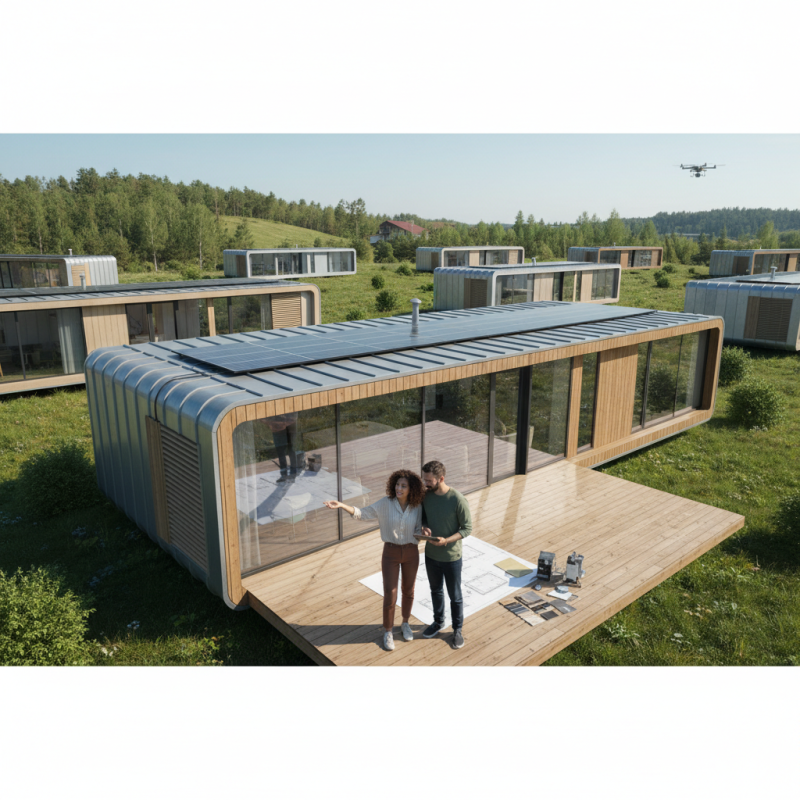
Prefab home kits have gained popularity due to their affordability and convenience, offering a range of options to meet diverse needs. These homes can be categorized into several types, including modular, panelized, and manufactured homes.

Modular kits involve constructing sections of the home in a factory setting, which are then transported and assembled on-site, allowing for a quick build time. Panelized kits, on the other hand, arrive as pre-cut walls and roof panels, offering flexibility in design, while manufactured homes come fully built and can be placed on a chosen lot.

When selecting the right prefab home kit, it is important to consider the materials, style, and overall design flexibility. Many kits offer customizable features, enabling homeowners to adapt designs to their tastes and lifestyle. Additionally, energy efficiency and sustainability options are increasingly commonly found in prefab kits, allowing buyers to make environmentally conscious decisions while still achieving their dream home. Understanding the various types and available features can help simplify the decision-making process and ensure that the chosen kit aligns with future living needs.

Key Factors to Consider When Choosing a Prefab Home Kit

How to Choose the Best Prefab Home Kits for Your Dream Home

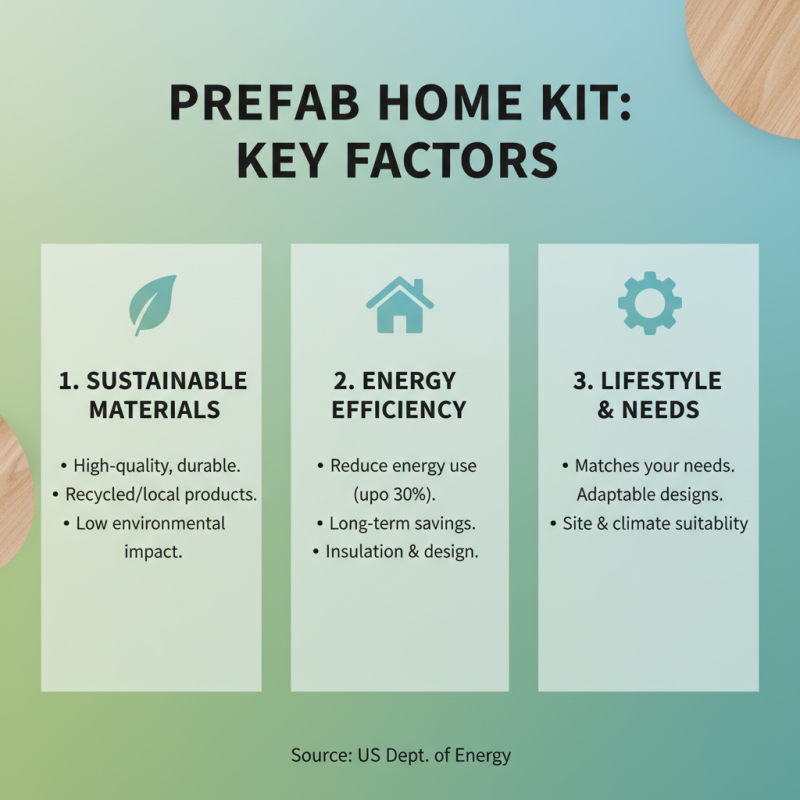
When choosing a prefab home kit, several key factors must be carefully evaluated to ensure your dream home meets your lifestyle and environmental needs. One of the foremost considerations is the materials used in the construction. High-quality, sustainable materials not only enhance the durability of the home but also contribute to energy efficiency. According to the U.S. Department of Energy, homes built with energy-efficient designs can reduce energy consumption by up to 30%, providing long-term savings on utility bills. Look for kits that utilize materials with low environmental impact, such as recycled or locally sourced products.

Another crucial factor is the floor plan and layout options available within the prefab kit. A well-designed floor plan maximizes space and functionality, catering to the unique needs of your household. Reports from the National Association of Home Builders indicate that open floor plans remain a popular choice among homebuyers, as they foster a sense of community within the home while allowing for flexible use of space. It is essential to choose a prefab home kit that offers customizable layouts, enabling you to tailor the design to suit your lifestyle comfortably. Assessing energy efficiency features, such as insulation and window placements, will further help in ensuring that your new home remains comfortable and cost-effective in the long run.

Comparing Costs: Budgeting for Your Prefab Home Kit Purchase

When considering the purchase of a prefab home kit, understanding the costs involved is essential for effective budgeting. According to the latest report from the Prefabricated Home Industry Association, the average cost of prefab home kits ranges from $50 to $150 per square foot. This wide price range is influenced by various factors, including the complexity of the design, materials used, and customization options. Buyers should also factor in additional expenses such as land acquisition, site preparation, permits, and utility connections, which can add up to an additional 20-30% to the overall cost.

Furthermore, financing plays a crucial role in budgeting for a prefab home. A survey conducted by the National Association of Home Builders found that 70% of new home buyers consider financing options an essential part of their home buying process. Potential buyers should explore various financing avenues, including traditional mortgages and specialty loans tailored for prefab homes, which often come with different terms and interest rates. Understanding these financial implications can help ensure that prospective homeowners are adequately prepared to invest in their dream prefab home while maintaining a sustainable budget.

Design and Customization: Making Your Prefab Home Unique

When choosing a prefab home kit, one of the most important considerations is the level of design and customization it offers. While many prefab options come with standard blueprints, the ability to personalize not only enhances the aesthetics but also accommodates individual lifestyles. According to a report from the National Association of Home Builders, nearly 70% of home buyers prioritize the ability to customize their living spaces, reinforcing the demand for flexible design options in prefab homes.

Customization in prefab homes can extend beyond mere layout alterations. Fixtures, finishes, and sustainable features are equally significant. A survey by the American Institute of Architects revealed that 83% of architects reported a growing trend in clients requesting eco-friendly materials and energy-efficient designs. This shift indicates a broader desire not only for unique interiors but also for homes that harmonize with environmental concerns. Therefore, when selecting a prefab home kit, exploring options for solar energy systems, rainwater harvesting, and energy-efficient appliances is crucial for those looking to create a unique and environmentally conscious living space.

Customization Options for Prefab Home Kits

Navigating Regulations and Permits for Prefab Home Installation

How to Choose the Best Prefab Home Kits for Your Dream Home

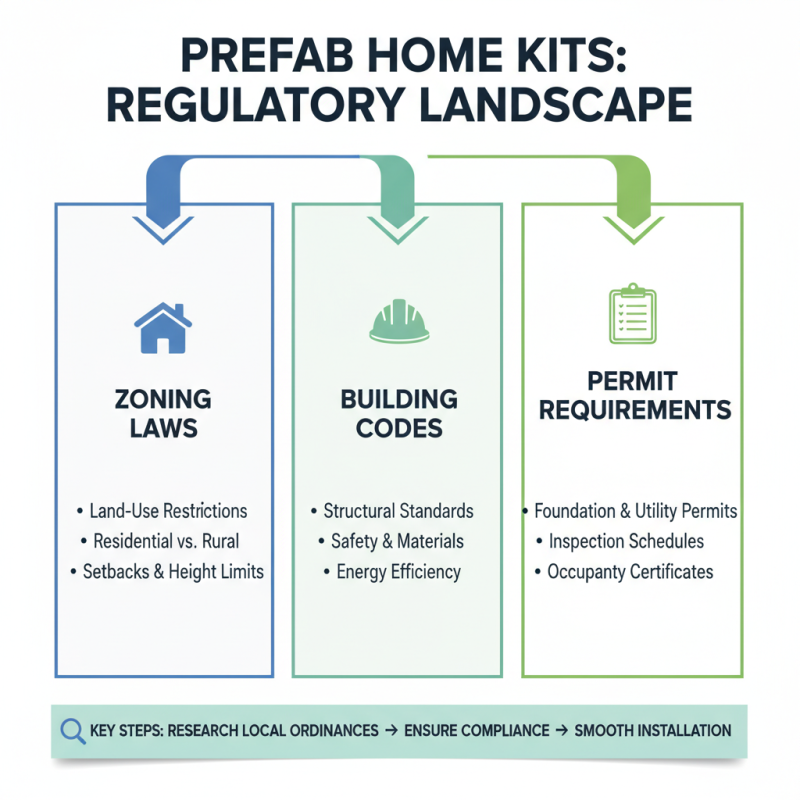
When considering prefab home kits for your dream home, understanding the regulatory landscape is essential. Each locality has its own set of zoning laws, building codes, and permit requirements that vary significantly. Before moving forward with your prefab home installation, research your area's regulations to ensure compliance. This often includes understanding land-use restrictions and any minimum square footage requirements. Familiarizing yourself with local ordinances is crucial for a smooth installation process.

Additionally, obtaining the necessary permits can be a complex task. Most jurisdictions require permits that cover electrical, plumbing, and structural aspects of your prefab home. It is essential to collaborate with local authorities early in the process to know what documentation you'll need and the timeline associated with obtaining approvals. Engaging a knowledgeable contractor or consultant who understands the local regulations can also streamline this process, helping you avoid potential delays or costly rework as you build your perfect prefab home.