How to Choose the Best Pre Built Houses for Your Needs?
Choosing the right pre built houses can significantly impact your living experience. In the current market, approximately 30% of homebuyers are looking into prefabricated options due to faster construction times and reduced costs. According to a recent report by the National Association of Home Builders, pre built houses can save buyers up to 20% compared to traditional homes.
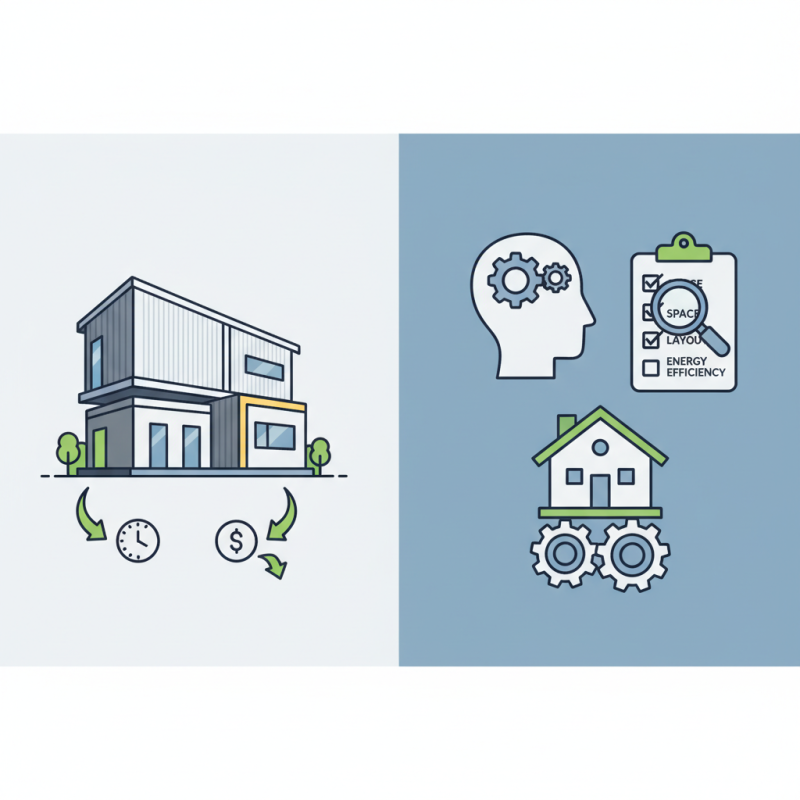
Expert in modular construction, Sarah Johnson, emphasizes, “Quality in pre built houses is key; cutting corners can lead to future regrets.” When considering pre built houses, potential buyers should reflect on their long-term needs. Factors like space, layout, and energy efficiency should be assessed thoroughly.
While the appeal of speed and affordability is strong, it may sometimes overshadow important quality checks. Buyers must navigate these choices carefully to avoid remorse after their purchase. Making informed decisions about pre built houses today will shape the comfort of your future living space.
Understanding Your Housing Needs and Lifestyle Preferences
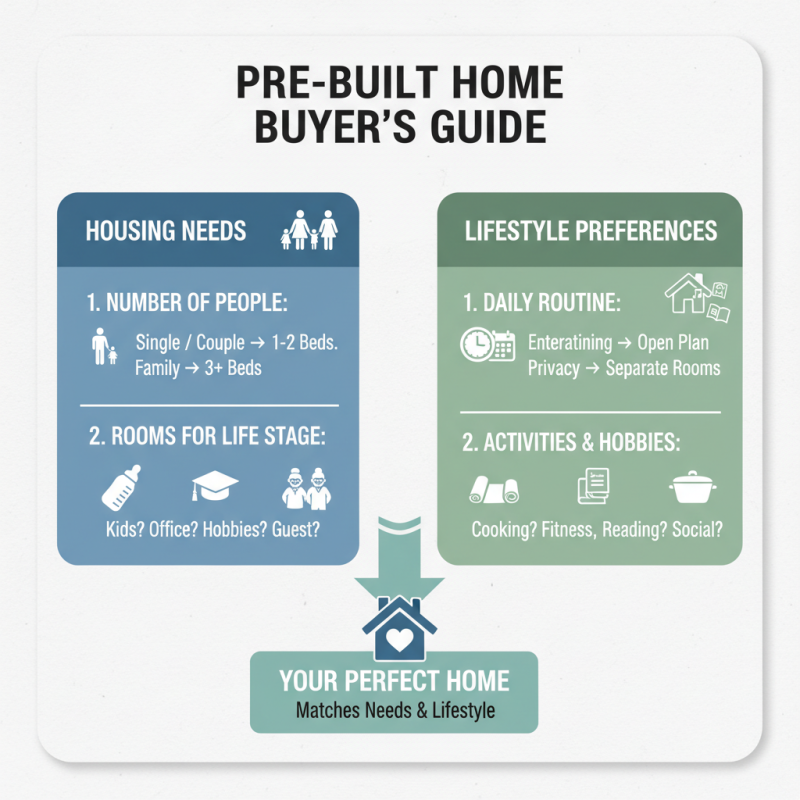
When choosing a pre-built house, understanding your housing needs and lifestyle preferences is crucial. Consider the number of people living in your home. Will it be just you, or do you expect a family? More bedrooms may be necessary for a larger family. Think about your daily routines and how a house layout supports them. Open floor plans are great for entertaining, while separate rooms can offer more privacy.
Tips: Make a list of must-haves. Include the number of bedrooms, outdoor space, and energy efficiency. This helps narrow options. Also, think about your commute. Proximity to work can make a big difference in your daily life.
Reflect on the neighborhood. Does it fit your lifestyle? Are there parks, restaurants, or schools nearby? Sometimes, a beautiful house in a less desirable area may not be the best choice. Your lifestyle matters.
Lastly, visit potential homes at different times of day. This gives insight into traffic, noise, and overall vibe. Pre-built houses may look perfect online, but reality might surprise you. Adjust your expectations as needed.
Evaluating Different Types of Pre-Built Houses Available
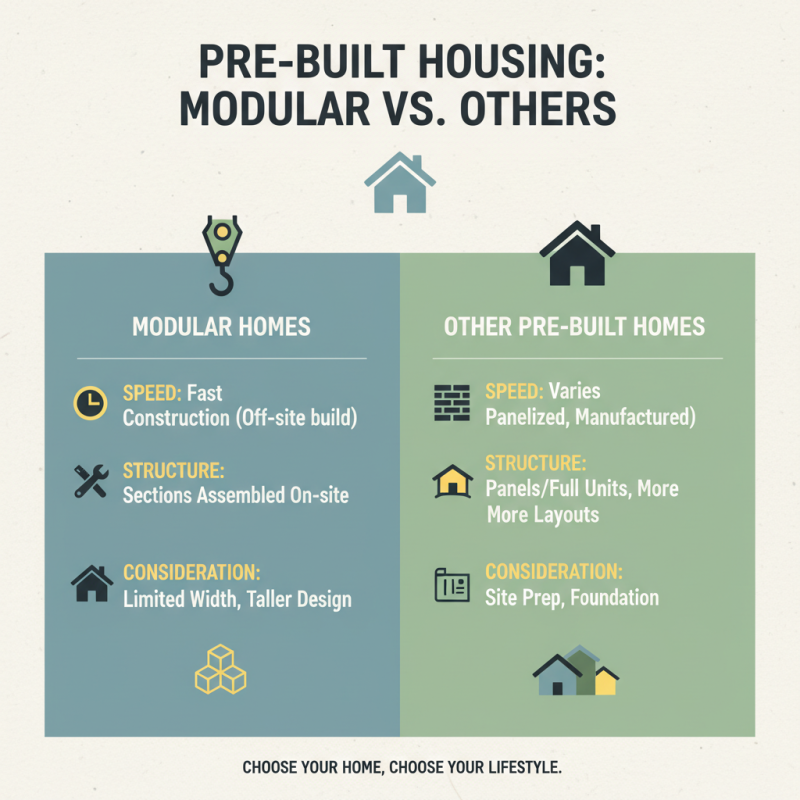
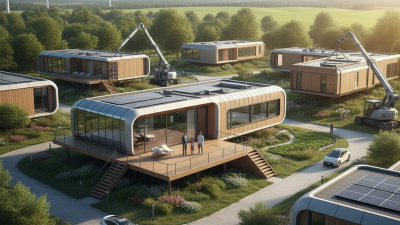
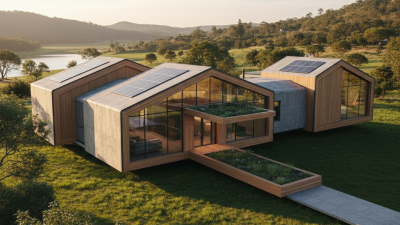
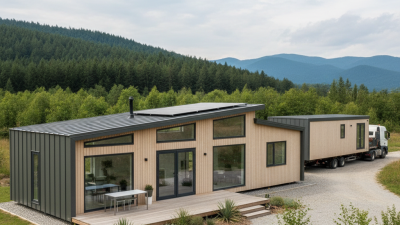
When considering pre-built houses, you will find various types available. Each type has its own features and drawbacks. Modular homes are popular due to their speedy construction. They are built in sections off-site and assembled on your property. However, space limitations can be an issue; many are narrower and taller. It’s essential to think about how this will fit your lifestyle.
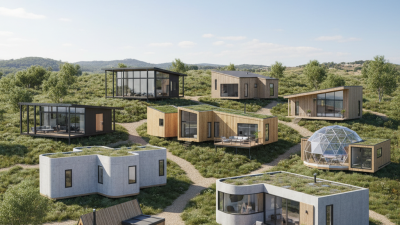
Another option is kit homes. These come with pre-cut materials for assembly. This can save money, but it requires you to be handy or to find help. Some find the assembly process frustrating, leading them to rethink their choices. Tiny homes are a growing trend. They offer simplicity and lower costs, but the limited space can be tough for families. Consider your needs carefully.
Log cabins offer a rustic charm and natural insulation. However, maintenance can be more demanding compared to modern homes. The appeal is strong, yet the practicality should not be overlooked. Balance your desires with what fits your life now. Each type of pre-built house has its own character and specific challenges, which require honest reflection as you make your choice.
Key Factors to Consider: Size, Design, and Materials
When selecting pre-built houses, size significantly impacts your decision. The average size of a new single-family home in the U.S. is about 2,600 square feet. However, a report by the National Association of Home Builders indicates that homes under 1,500 square feet are gaining popularity. Downsizing can save costs and energy, appealing to buyers looking for efficiency.
Design is equally important. Open floor plans are trending, as they enhance space perception. A survey revealed that 77% of buyers prioritize an open layout. Meanwhile, customization options attract those wanting personal flair. Modular designs can offer flexibility, allowing easy modifications. Nevertheless, some standard designs may limit creativity and be less appealing over time.
Materials used in construction play a crucial role in durability and maintenance. Homes built with sustainable materials enjoy lower utility bills. According to a study by the U.S. Green Building Council, energy-efficient homes can save owners up to 30% on costs. However, premium materials may increase initial expenditure. It's essential to strike a balance between upfront costs and long-term savings. Missing out on this can lead to regret down the road. Choices made now must consider both function and aesthetic appeal.
Assessing Budget and Financing Options for Pre-Built Homes
When considering pre-built homes, assessing your budget is crucial. Start by determining how much you can afford. Review your savings, income, and expenses. Factor in additional costs like site preparation and utilities. Unexpected expenses often arise, so keep some funds aside for this.
Financing options for pre-built homes vary. You can explore traditional mortgages, personal loans, or specialized loans for manufactured homes. Each option has its pros and cons. Interest rates fluctuate, affecting your monthly payments. Be aware of the long-term implications of your choice.
Check for government programs that may assist with financing. Some areas offer grants or incentives for certain buyers. It’s important to do your research. Sometimes, promising deals can lead to regret. Always read the fine print. Consider long-term costs, such as maintenance and property taxes. These often surprise new homeowners.
Budget and Financing Options for Pre-Built Homes
Researching Reputable Builders and Their Offerings
When researching reputable builders for pre-built houses, begin by identifying key factors. Look for builders with solid experience. A good reputation is essential. Check online reviews and testimonials. Speak to past clients. Understand their satisfaction levels. A builder's track record speaks volumes.
Explore the offerings of builders. Do they provide customizable options? A variety of designs? Consider if their styles align with your vision. Be mindful of extra costs that may arise during customization. Transparency is critical. Without clear communication, misunderstandings can occur. You should feel confident in your selection.
Also, take note of local builders. They often understand regional requirements. They know the market well. However, not all builders may meet your standards. Some may cut corners. In this search, balance your budget with quality. Avoid the temptation of the cheapest option. Quality may suffer in those cases. A thoughtful approach can yield a home that meets your needs.