logo

How to Choose Modern Modular Homes for Your Lifestyle?

Choosing modern modular homes can greatly influence how you live. These homes offer flexibility, affordability, and style. They fit diverse lifestyles and preferences. The appeal of modern modular homes lies in their efficient designs and customizable layouts. However, selecting the right one requires thoughtful consideration.

Consider not just your current needs, but also future aspirations. Think about family growth, work-from-home options, and environmental impact. Many buyers overlook crucial details, like the terrain or climate suitability. Will the home adapt to your lifestyle over time? Reflection is key in this process.

While modern modular homes promise ease and beauty, they may not suit everyone. Take time to explore different models and configurations. Each option has its pros and cons. Doing proper research can save future regrets. In the end, the right choice should reflect your unique lifestyle and values.

How to Choose Modern Modular Homes for Your Lifestyle?

Understanding Modern Modular Homes: Key Characteristics and Benefits

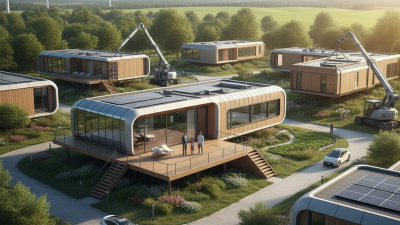
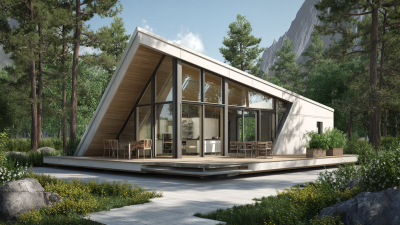
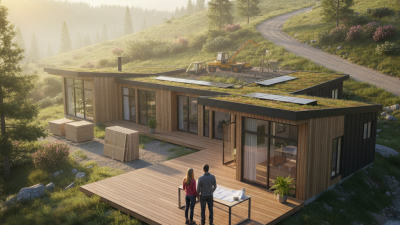
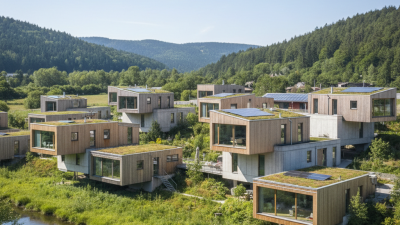
Modern modular homes are distinct in their construction. They are built off-site in sections, which allows for customization. This method can save time and resources. For those interested in sustainable living, these homes often include energy-efficient features. Natural light floods in through larger windows. The layout is flexible, adapting to various lifestyles.

Tips: When selecting a modular home, consider your daily needs. Think about the number of rooms, layout, and outdoor space. A family with kids might need more space. Are you planning to work from home? An office nook can be essential.

Also, explore the building materials. Many modern modular homes use sustainable options. This can impact long-term maintenance. However, check the quality of the materials. Not all are the same. You might find a stunning design, but is it truly durable? It’s essential to weigh aesthetics against practicality.

Identifying Your Lifestyle Needs: Customization and Design Preferences

Choosing a modern modular home requires careful consideration of your lifestyle needs. Think about how you live day-to-day. Do you need a large kitchen for gatherings? Or a quiet space for work? Identifying these key aspects can help you make informed decisions.

**Tips:** Create a list of must-have features. Include items like storage space or outdoor areas. It’s easy to get caught up in aesthetics. But, practicality should come first. Your home should work for you.

Customization plays a crucial role. Many modular homes offer options to modify layouts and finishes. This can make the home truly yours. However, not every choice is perfect. You may face limitations based on budget or space. Consider how these decisions align with your dreams.

**Tips:** Visit homes or look at floor plans online. Gather ideas that resonate with your lifestyle. Remember, it’s a process. You might realize some features are less important than you thought. Reflecting on these aspects can lead to a better fit.

How to Choose Modern Modular Homes for Your Lifestyle?

Lifestyle Dimension Customization Option Design Preference Suitable Size (sq ft)
Family Friendly Open floor plan, multiple bedrooms Modern with play areas 1800-2500
Retirement Living Single level, accessible features Cozy and minimalistic 900-1500
Eco-Friendly Sustainable materials, energy-efficient Natural aesthetics 1000-2000
Urban Living Compact designs, smart storage solutions Contemporary with a rooftop 600-1200
Vacation Homes Flexible layouts, outdoor spaces Rustic or beach-themed 800-1600

Budget Considerations: Costing Modern Modular Homes

How to Choose Modern Modular Homes for Your Lifestyle?

When choosing modern modular homes, budget is a crucial factor. The cost of these homes can vary significantly. Prices often depend on size, materials, and customization options. A basic model may start around $100,000, while larger, custom-designed homes can reach well above $300,000. Unexpected costs can arise, so it’s vital to have a clear budget.

Consider additional expenses as well. Land preparation, utility connections, and permits can add thousands to your total. Homeowners often overlook landscaping or interior finishes, which also inflate costs. It’s wise to allocate funds for potential repairs or upgrades.

Keep your lifestyle in mind. A home with too many upgrades may not fit your needs. Ask yourself: will I really use that extra room? Sometimes, less is more. Reflect on your long-term goals. A home that suits your current needs might not be ideal years down the line. Balancing cost with functionality is key.

Site Selection and Zoning: Where to Place Your Modular Home

When choosing a site for your modern modular home, consider the landscape. Flat areas are easier for construction. Sloped lots may offer great views but can complicate building. Drainage is another key factor. Poor drainage can lead to issues, such as flooding. Survey the land before making a decision. While a beautiful view is tempting, functionality should not be overlooked.


Zoning laws play a significant role in site selection. Understand local regulations first. They may dictate the size and type of home you can build. Some areas have restrictions on height, appearance, or even the number of homes allowed. Engaging with the local zoning board can save time later. It’s vital to ensure your dream home aligns with community standards.


This process is not always straightforward. Sometimes, regulations may surprise you. You might find a perfect plot, but zoning laws could block your plans. This must be a part of your decision-making process. Adaptability is essential. You may need to reconsider your initial preferences in light of these practicalities. A thoughtful approach will lead to a successful outcome.

Sustainability Options: Eco-Friendly Features in Modular Homes

How to Choose Modern Modular Homes for Your Lifestyle?

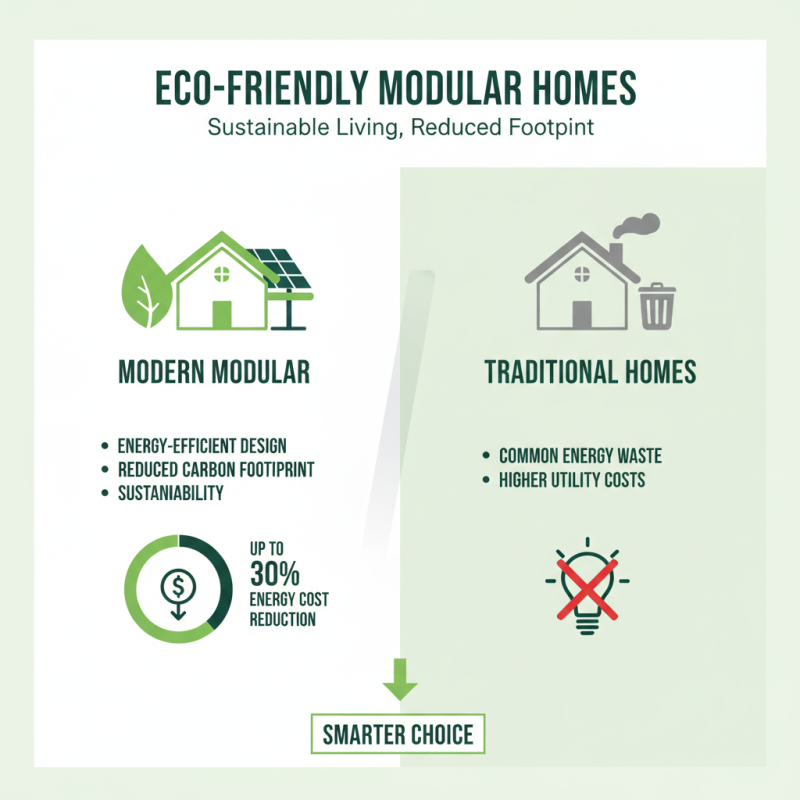
When choosing modern modular homes, eco-friendly features play a crucial role in aligning your lifestyle with sustainability. Many modular homes boast energy-efficient designs that significantly reduce carbon footprints. For instance, reports suggest that homes built with energy-efficient materials can reduce energy costs by up to 30%. This is a stark contrast to traditional homes, where energy waste is common.

Sustainable options often include solar panels, which can provide renewable energy. Some studies indicate that incorporating solar energy can reduce a homeowner's reliance on fossil fuels. Water-saving fixtures are also popular, contributing to better management of resources. However, despite these advancements, many modular homes still fall short on implementing fully sustainable practices.

The choice of materials matters too. Many manufacturers are now using recycled or sustainably sourced materials for construction. This is important because traditional building materials often deplete natural resources. Still, not every modular home achieves this standard. It's essential to look beyond the surface and demand transparency from builders about their eco-friendly offerings. The goal should be to create not just a home, but a sustainable future.