How to Choose Low Cost Prefab Homes for Your Needs?
In recent years, the demand for low cost prefab homes has surged. These homes offer an affordable solution for many seeking a place to live. Experts like John Smith, a leader in the prefab housing industry, have emphasized the significance of making informed decisions. He states, “Choosing the right prefab home can be a game-changer for your budget and lifestyle.”
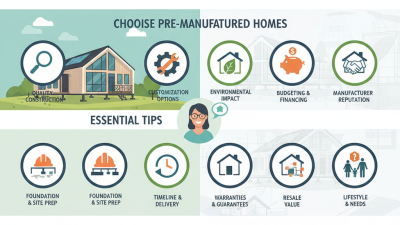
Low cost prefab homes can vary widely in design, materials, and quality. Potential buyers often find themselves overwhelmed by choices. It's essential to understand what you truly need. Consider your lifestyle and future plans when choosing a prefab home. Research different manufacturers and their offerings, as they can differ greatly.
Transparency in pricing and quality is crucial in this industry. In exploring options, buyers might encounter hidden costs or misleading advertisements. A thorough evaluation will help avoid regrettable decisions. Additionally, seeking advice from industry professionals can be beneficial. They can guide you through the complexities of selecting low cost prefab homes. This journey requires careful thought and a clear vision.
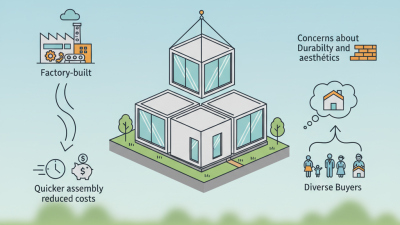
Prefab homes, or prefabricated houses, offer a variety of types to suit different needs and budgets. Options include modular, panelized, and manufactured homes, each with unique characteristics. A modular home is built in sections and assembled on-site, while panelized homes use pre-cut panels for quicker assembly. Manufactured homes are entirely constructed in factories, allowing for efficient production. According to a report by the Modular Building Institute, modular construction can reduce building time by up to 50% compared to traditional methods.
The benefits of prefab homes extend beyond speed. They often come with lower overall costs, making them accessible to a wider audience. A study from Harvard University reveals that prefab homes can be 10-20% cheaper than conventional homes due to reduced labor and materials costs. However, potential buyers should be cautious. Not all prefab homes retain their value over time. Market demand in certain areas can affect resale prices. Doing thorough research before making a purchase is crucial for long-term investment success.
Energy efficiency is another advantage of prefab homes. Many designs include high-performance insulation, which reduces energy bills. However, this efficiency can vary based on construction quality. It's important to scrutinize building materials and construction practices to ensure reliability. Addressing these aspects will help you find a prefab home that meets your needs and remains a sound investment.
Evaluating Your Budget for Low-Cost Prefab Homes
When evaluating your budget for low-cost prefab homes, it's essential to consider various factors. According to recent industry reports, the average cost of prefab homes ranges from $100 to $200 per square foot. This cost can vary significantly based on materials and design choices. To ensure you stay within your budget, create a detailed list of your must-haves versus your nice-to-haves.
Another study by the National Association of Home Builders highlights that energy-efficient prefab options can reduce your long-term costs. While the initial investment might be higher, savings on utilities can be substantial. Keep in mind the cost of land, permits, and utilities when mapping out your full budget. Often, homeowners overlook these additional expenses, leading to unexpected financial strain.
Consider exploring financing options tailored for prefab homes. Local credit unions or community banks may offer favorable rates. Additionally, consult with a financial advisor who understands the nuances of prefab construction. This step can prevent costly mistakes. Maintain realistic expectations throughout the process, as discrepancies between budget estimates and final costs can occur. Focus on obtaining accurate quotes and be prepared for potential adjustments as your vision for your new home evolves.
Key Features to Consider in Prefab Home Selection
When selecting low-cost prefab homes, several key features warrant attention. First, consider the size and layout. Will it fit your lifestyle? Think about the number of bedrooms and bathrooms you need. Open floor plans often feel larger but may not suit everyone's taste. Evaluating your daily routine can guide your choice.
Next, focus on the materials used in construction. Quality matters even with budget options. Some prefab homes come with cheaper materials that may not last. Research insulation effectiveness and durability. You want a home that handles weather well and doesn't need frequent repairs.
Another vital aspect is energy efficiency. Many prefab homes have sustainable designs that could save money on utilities. Look for double-glazed windows and energy-efficient heating systems. Inspecting these features can lead you to a more cost-effective choice. When assessing options, reflect on your priorities. Sometimes a lower price comes with trade-offs in quality or comfort.
Researching and Comparing Different Manufacturers
When researching prefab homes, comparing different manufacturers is crucial. Various reports indicate that consumers should look for builders with a strong track record. According to the Prefabricated Construction Market report by Future Market Insights, the global prefab market is expected to reach $196 billion by 2028. This growth emphasizes the need for careful selection.
Key factors to evaluate include construction quality, materials used, and customer reviews. Studies show that homes constructed with high-quality materials can save homeowners up to 20% on energy costs annually. It’s also helpful to gather insights from existing customers. They can provide an honest assessment of the home’s longevity and value.
Budget constraints are common, making it important to find a manufacturer that aligns with your financial goals. Some affordable options may sacrifice certain features, creating trade-offs. Understanding these trade-offs will help in making an informed decision. Always consider additional costs, like installation and site preparation. Ignoring these can lead to unexpected expenses.
Comparison of Cost Factors for Low Cost Prefab Homes
Planning for Location and Land Costs in Prefab Home Purchase
When considering a prefab home, location and land costs are critical factors. A suitable plot can greatly influence the overall budget. Researching areas that align with your lifestyle and budget is essential. Urban locations may have higher land prices compared to rural areas. Assess the availability of utilities, roads, and local amenities since these factors can add to long-term expenses.
Additionally, think about potential zoning laws. Different regions have various regulations that can impact your plans. Sometimes, land may appear affordable but may come with hidden costs, such as permits or architectural requirements. It is important to engage with local authorities to ensure compliance.
Landscaping also plays a role. An uneven terrain might require additional grading, increasing costs. Reflect on how much you are willing to invest in land preparation. Even minor details can add up. Careful planning can help you avoid unexpected expenses down the line and ensure that you choose the right prefab home for your needs.
How to Choose Low Cost Prefab Homes for Your Needs? - Planning for Location and Land Costs in Prefab Home Purchase
Criteria
Description
Estimated Cost Range
Land Cost
Cost of purchasing land in desired location.
$5,000 - $50,000
Foundation Type
Different types of foundations (slab, crawl space, basement) affect cost.
$4,000 - $20,000
Transport Costs
Costs incurred for transporting prefab units to the site.
$1,000 - $10,000
Utilities Costs
Installation of water, electricity, and sewage connections.
$3,000 - $15,000
Local Permits
Cost of obtaining necessary building permits.
$500 - $3,000
Installation Costs
Fees for setting up and installing the prefab home.
$2,000 - $20,000
Financing Options
Availability and terms of loans for purchasing homes.