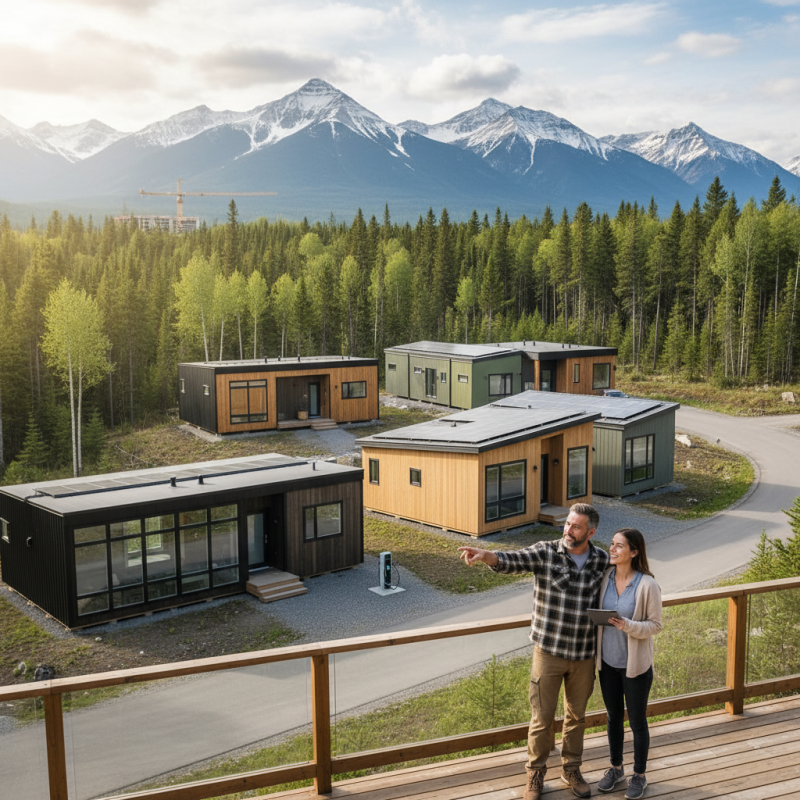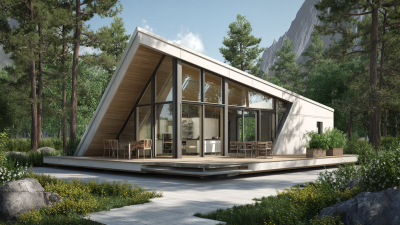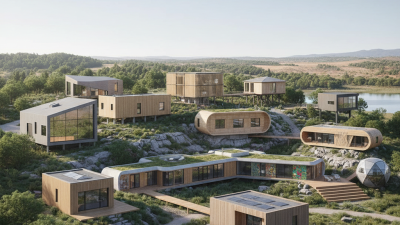
When considering prefab homes in Canada, many feel overwhelmed by choices. This is a growing trend in the housing market. David Johnson, an expert in prefab homes, states, “The right prefab home can offer both value and energy efficiency.”
Choosing the best prefab home involves careful consideration of various factors. You need to assess your needs, budget, and desired features. Each prefab home is unique and can offer different advantages, from layout flexibility to sustainable materials.
However, not all options fit every situation. Some homes may not align with your aesthetic or functional expectations. It's essential to reflect on what you truly want and need from your living space. Exploring reviews and consulting experts can provide valuable insights into the best prefab homes Canada has to offer.
Understanding Prefab Homes: Definition and Benefits
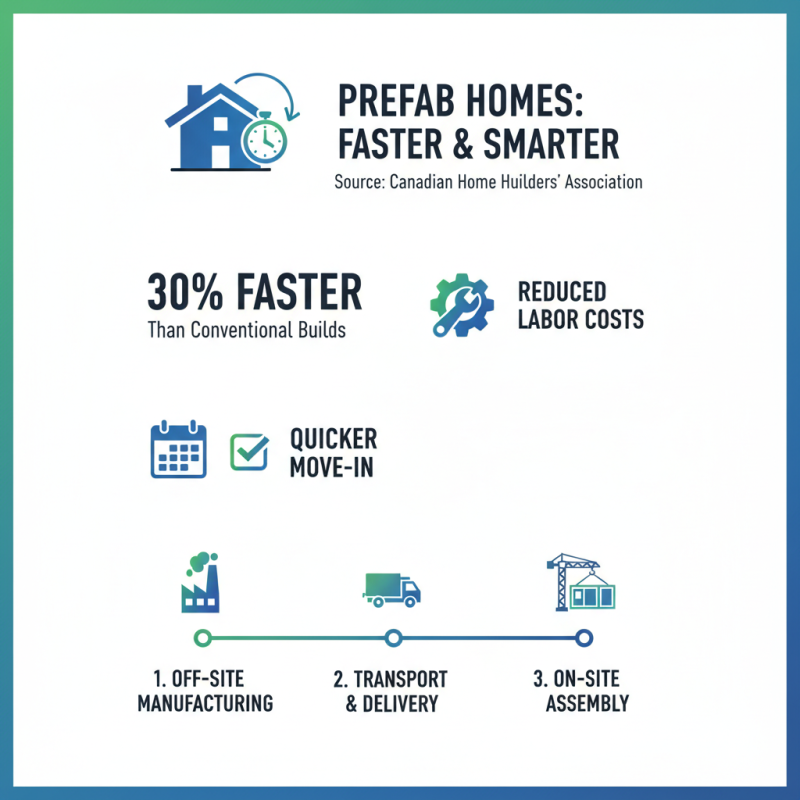
Prefab homes, or prefabricated homes, are structures manufactured off-site and transported for assembly at the final location. This approach offers several benefits. According to a report by the Canadian Home Builders' Association, prefab homes can be built 30% faster than conventional homes. This speed reduces labor costs and minimizes the time homeowners wait to move in.
Environmental sustainability is another crucial benefit. Prefabrication often leads to less waste. A study from the National Association of Home Builders indicates that manufacturing off-site generates 60% less waste compared to traditional construction methods. Many prefab homes also integrate energy-efficient materials. This can contribute to lower utility bills for homeowners, which is a significant plus.
However, prefabricated homes may face challenges in customization. Many buyers expect a range of design options. A lack of choices can lead to dissatisfaction. Important to consider, not all prefab options are equal. Buyers need to research and evaluate before making decisions. Quality and design flexibility often vary widely across different manufacturers.
Key Factors to Consider When Choosing Prefab Homes
When choosing prefab homes in Canada, several key factors come into play. The climate is one significant consideration. Provinces like Ontario and British Columbia experience diverse weather. Homes must be well-insulated for cold winters. Reports indicate that energy-efficient homes can reduce heating costs by up to 30% in these regions.
Materials used in prefab homes significantly affect longevity and maintenance. Sustainable materials are gaining popularity. They tend to offer better insulation and durability. According to a study by the National Research Council of Canada, homes built with high-quality materials can last over 50 years with minimal upkeep.
Tip: Research the energy-efficiency ratings. It could save you money in the long run.
Another important aspect is the design flexibility. Some prefab homes are very customizable. However, limited options might lead to dissatisfaction. Always review sample designs. Ensure they align with your vision.
Tip: Seek expert opinions before deciding. Their insight can prevent costly mistakes.
Finding the right balance between style, cost, and sustainability is essential. Reflect on what matters most to you in your future home.
Exploring Different Types of Prefab Homes Available in Canada
Prefab homes in Canada come in various styles and types. These options cater to different tastes and budgets.
Modular homes are popular for their efficiency. They arrive in sections, assembled on-site. This method often leads to reduced construction time.
Another type is panelized homes. These homes use pre-made panels, which provide flexibility in design. Homebuyers appreciate the creativity that panelized homes allow.
Tiny homes are gaining traction in urban areas. They offer a minimalist lifestyle and lower costs. Many people enjoy the challenge of limited space.
Manufactured homes are another choice. They come fully assembled and are cost-effective. Different designs and layouts attract diverse buyers. However, some might find these homes less customizable.
When selecting a prefab home, consider your needs carefully. Think about space and functionality. Reflect on future plans.
Can the home adapt? Consider the climate you live in, as it affects the building materials and designs. Some may overlook the importance of local regulations.
Be sure to research necessary permits and zoning laws.
Evaluating Builders and Manufacturers: What to Look For
When choosing prefab homes in Canada, evaluating builders and manufacturers is essential. Quality varies significantly among companies. Look for those with strong reputations. Check online reviews to gauge customer satisfaction.
Tips: Verify their experience. A builder with years in the industry likely understands regulations and standards. Ask about their previous projects. Quality craftsmanship is often visible in finished homes. Visit some of their completed builds if possible.
Communication is crucial. A manufacturer who listens to your needs will guide you better. Be wary of those who rush the conversation. Transparency about costs and timelines matters. Ensure all agreements are clear.
Tips: Request detailed quotes. Hidden fees can quickly inflate your budget. Understanding every cost helps you make informed decisions. Be prepared to ask questions. No question is too small when investing in your future home.
How to Choose the Best Prefab Homes in Canada? - Evaluating Builders and Manufacturers: What to Look For
Criteria
Description
Importance Rating (1-5)
Builder Experience
Years in the prefab home industry and reputation among consumers.
5
Manufacturing Quality
Material quality, engineering, and construction standards used in prefabs.
5
Customization Options
Flexibility in design and layout to meet buyer's preferences.
4
Energy Efficiency
Standards for insulation, fixtures, and energy-saving features.
5
Warranty & Support
Duration and coverage of warranty offered on the home.
4
Client Reviews
Feedback from past clients about their home-buying experience.
5
Cost Transparency
Clarity in pricing, including hidden costs and additional fees.
4
After-Sales Service
Availability and quality of service after the sale is completed.
4
Navigating Regulations and Permits for Prefab Homes in Canada
When considering prefab homes in Canada, navigating regulations and permits is crucial. Each province may have different requirements. Municipal guidelines often dictate design standards, zoning laws, and environmental concerns. Ensure you know the local building codes before proceeding. This can save you time and prevent costly mistakes.
Tips: Research your province’s specific rules. Each area has unique needs. For instance, some locations may require eco-friendly materials. Others might have restrictions on home size or placement. Don't overlook the importance of staying compliant with municipal standards.
Be prepared for delays. Application processes for permits can take longer than expected. Anticipate potential roadblocks, and be patient. Remain flexible with your plans. Sometimes, minor adjustments lead to better outcomes. Consult with local authorities early on to clarify any uncertainties. Their input can guide your decisions effectively.