How to Choose the Best Prebuilt Houses for Your Needs?
Choosing the best prebuilt houses can be a daunting task. The market offers various options tailored to different needs and budgets. According to a report from the National Association of Home Builders, prebuilt houses have gained attention due to their efficiency and affordability. A major expert in the industry, Dr. Emily Foster, emphasizes, “Prebuilt houses can be the perfect solution for many modern families.”
As buyers explore their options, they must consider several factors. Location often plays a critical role in decision-making. Additionally, sustainability is becoming increasingly important, with many prebuilt designs focusing on eco-friendly materials. Yet, some consumers remain skeptical about the quality and longevity of these homes. Ensuring that the investment is sound is essential.
It’s not simply about choosing a structure. Buyers need to reflect on their long-term goals and lifestyle needs. How much space will they need in the future? What features matter most? Each choice can impact their satisfaction. The journey of selecting the right prebuilt house requires careful thought and consideration.
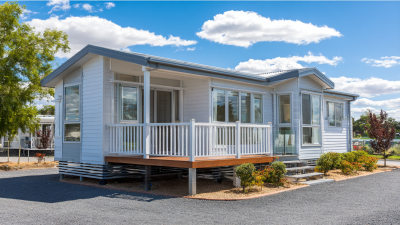
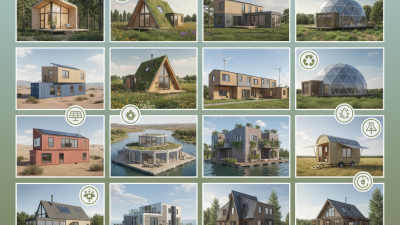
Prebuilt houses, also known as modular or prefab homes, come in various styles. You can find modern designs as well as traditional options. Each type has unique features that appeal to different lifestyles. Consider your needs carefully before making a choice.
One popular type is the modular home, assembled in sections at a factory. This option offers great customization. Many buyers appreciate the speed of construction and cost-effectiveness. Alternatively, panelized homes comprise pre-cut panels for quick on-site assembly. These homes can be striking but may require specific design skills.
Another interesting choice is the shipping container home. These are eco-friendly and offer a distinctive aesthetic. While they are innovative, you must consider insulation and space limitations. Think about how each option aligns with your values and lifestyle. Make sure to reflect on how much space you genuinely need. Choosing the right prebuilt home can be challenging, yet rewarding.
How to Choose the Best Prebuilt Houses for Your Needs?
Type
Size (sq ft)
Price Range
Materials Used
Energy Efficiency
Modular
800-2000
$50,000 - $150,000
Wood, Steel
High
Mobile
400-1200
$30,000 - $100,000
Aluminum, Composite
Medium
Panelized
700-1800
$45,000 - $120,000
Wood, SIPs
High
Tiny Homes
100-400
$20,000 - $60,000
Recycled Materials, Wood
High
Assessing Your Budget: Financing Options for Prebuilt Homes
When considering financing options for prebuilt homes, assessing your budget is crucial. The average cost of prebuilt houses ranges from $100 to $200 per square foot. This variance depends on design and materials used. Therefore, understanding what you can afford is the first step in the buying process.
Many buyers overlook additional costs. Land acquisition, permits, and utility connections can add up quickly. According to industry reports, homeowners often underestimate these expenses by 15% to 20%. Creating a comprehensive budget helps avoid surprises later. Additionally, consulting with financial advisors can help identify suitable options such as loans and grants.
Traditional bank loans are common, but they might not be the best fit for everyone. Alternative financing, like personal loans or credit unions, could offer more favorable terms. Some buyers rely on savings or investments, which works but can deplete resources. Always weigh the pros and cons of each option. A well-rounded approach ensures sound financial decisions for your prebuilt home.
Budget Distribution for Prebuilt Homes
Evaluating Location: Land Characteristics and Community Amenities
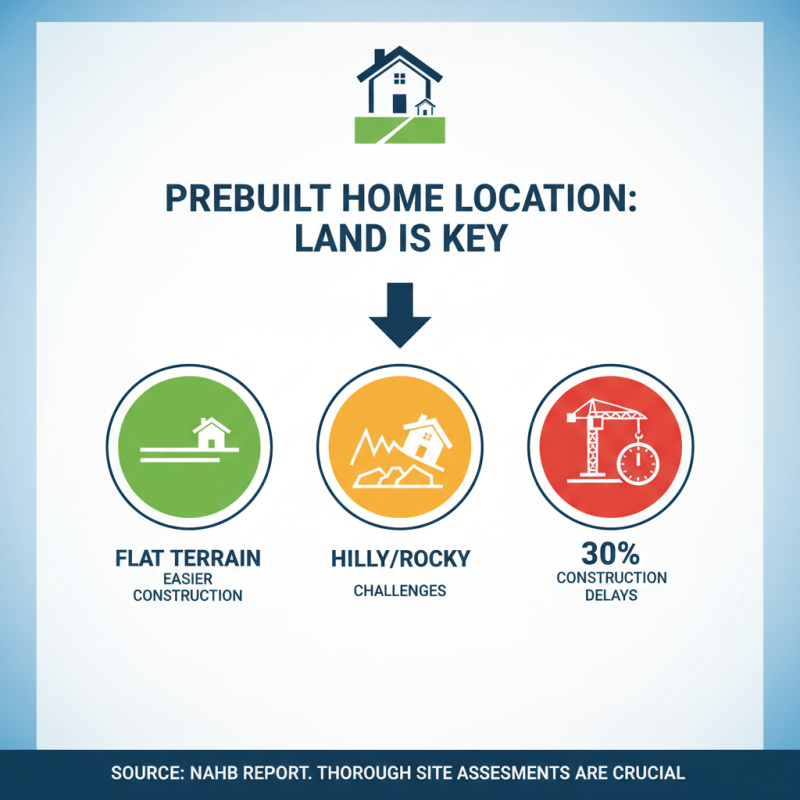
Choosing the right location for a prebuilt house is crucial. Evaluating land characteristics is the first step. Flat terrain is generally easier for construction. In contrast, hilly or rocky areas may pose challenges. A report by the National Association of Home Builders highlights that about 30% of construction delays are due to land preparation issues. This statistic emphasizes the need for thorough site assessments.
Community amenities also play a vital role. Access to schools, parks, and shopping can raise the overall quality of life. According to a study by the Urban Land Institute, homes near quality amenities appreciate by 15% more than those in less desirable areas. Also, consider public transport options. Proximity to transit can enhance daily convenience. However, areas with too many amenities may feel crowded and less private.
Reflecting on these factors is important. Not all desirable features suit everyone’s lifestyle. A quiet rural setting might appeal to some, while others may thrive in a vibrant city environment. Balancing personal preferences with practical considerations is essential. Striving for the perfect location might lead to unrealistic expectations, so flexibility is vital in this decision-making process.
Customization Choices: Designing Your Ideal Prebuilt House
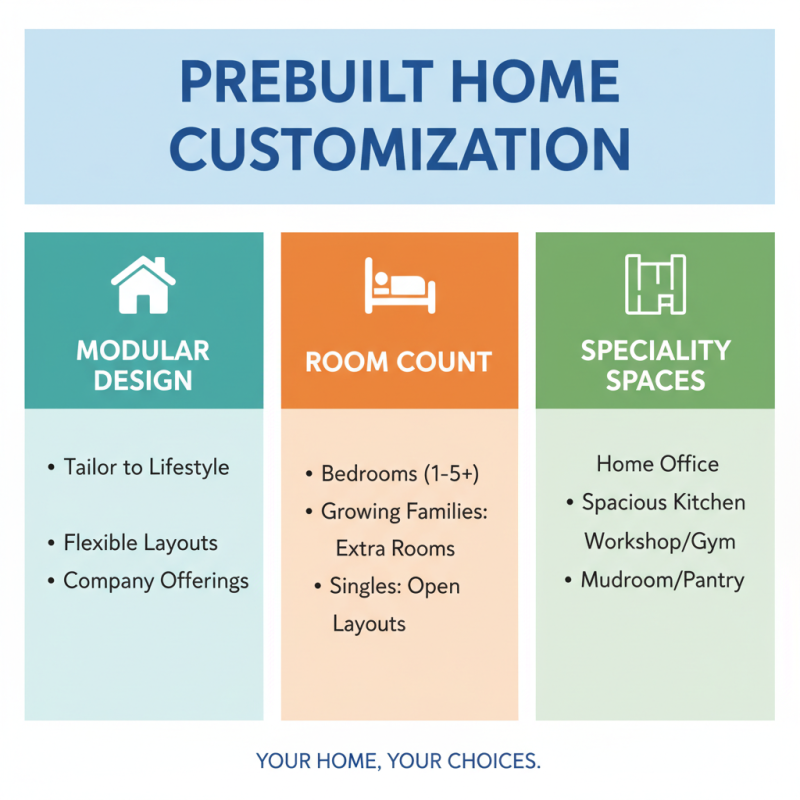
When selecting a prebuilt house, customization options can greatly influence your decision. Many companies offer modular designs that allow you to create a space tailored to your lifestyle. Consider how many bedrooms you need. A growing family might require extra rooms, while singles may prefer open layouts. You might want a home office or a spacious kitchen. Think about what truly matters to you.
Customization often includes choices for materials and finishes. Selecting energy-efficient materials can lead to long-term savings. However, a focus on aesthetics may result in higher costs. Reflect on the balance between appearance and functionality. Do you prefer sleek designs, or something more rustic? Sometimes, the most personalized spaces come from blending styles you love.
Don't underestimate the importance of outdoor space. Additions like patios or gardens enhance your living experience. However, these requiring maintenance might not be for everyone. Assessing your commitment to upkeep is vital. Ultimately, choosing the best prebuilt house involves a mix of practicality and creativity. It’s about envisioning your ideal life while accepting the compromises that come with any design decision.
Researching Manufacturers: Ensuring Quality and Reputation
When exploring prebuilt houses, the manufacturer's quality and reputation are paramount. Conduct thorough research.
According to a recent industry report, about 30% of buyers experience issues related to construction quality.
This data highlights the importance of choosing reputable manufacturers that prioritize craftsmanship and use quality materials.
Tips for researching manufacturers:
Look for customer reviews online. Seek out testimonials reflecting positive experiences.
Word of mouth can be invaluable. Attend home shows or informational events.
These venues often feature various manufacturers and provide direct interactions.
Don't shy away from asking tough questions about materials and warranties.
Inspecting a manufacturer’s history is vital. A long-standing reputation often correlates with reliability.
Analyzing their portfolio can reveal their design capabilities and construction standards.
However, not all well-known names are flawless. Some customers report delays in delivery, so weigh benefits against potential drawbacks.
Engaging directly with previous customers can shed light on hidden issues.