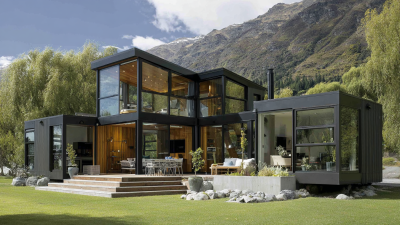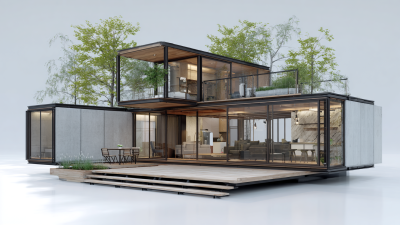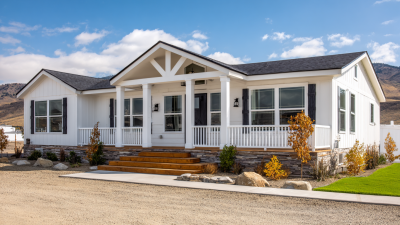
How to Choose the Best Kit Houses for Your Dream Home Project
In recent years, the demand for kit houses has surged as individuals seek cost-effective and customizable solutions for their dream home projects. A report by the Home Builders Institute highlights that the kit home market is now valued at approximately $7 billion and is projected to grow at a CAGR of 8.5% through 2025. This trend reflects a shift in consumer preferences towards modular and prefabricated housing options that offer both flexibility and affordability.
Dr. Emily Carter, a leading expert in sustainable housing solutions, emphasizes the advantages of choosing kit houses for potential homeowners: "Kit houses not only empower buyers to take control of their home-building experience, but they also serve as a viable solution for those prioritizing efficiency and sustainability." As the industry continues to evolve, understanding the key factors in selecting the right kit home becomes essential for making informed decisions.
This guide aims to illuminate the vital aspects of choosing the best kit houses for your unique requirements, ensuring that your dream home project is not only achievable but also perfectly suited to your lifestyle and budget. Whether you are a first-time buyer or looking to customize your existing space, the insights shared will help you navigate the array of options available in the growing kit house market.
Factors to Consider When Selecting Kit Houses for Your Dream Home
When selecting kit houses for your dream home project, several crucial factors need to be considered. First and foremost, the location plays a pivotal role in making your home truly special. Whether you desire the serenity of nature or the vibrancy of urban living can significantly influence your choice. Recent trends indicate that many buyers are looking for a balance between these two environments, seeking homes that provide both comfort and accessibility to city amenities.
Another important factor is budget, as financial constraints often dictate the desirability and feasibility of home options. Despite rising financial pressures, a significant portion of potential homeowners remains willing to invest heavily in real estate, as indicated by a recent survey conducted with over 1,700 participants. It's essential to weigh your financial capabilities against your dream home aspirations, ensuring that the kit house you choose aligns with your long-term financial plan.
Tips:
1. Before making a decision, assess your lifestyle needs—how much space and what features (like outdoor areas or smart home technology) are most important to you?
2. Research various kit house designs to find options that suit your tastes and preferences while staying within your budget. Utilizing industry reports can also provide insights into market trends and pricing strategies.
Understanding the Cost-Effectiveness of Kit Houses Compared to Traditional Building Methods
When considering a dream home project, the cost-effectiveness of kit houses compared to traditional building methods plays a crucial role. Kit houses generally come with pre-cut materials and comprehensive assembly guides, which significantly reduce labor costs. This streamlined process allows homeowners to take on a more hands-on role, potentially leading to considerable savings. Additionally, because kit homes are designed to be assembled quickly, they often incur lower construction costs, thus making them more budget-friendly than conventional building.
Moreover, kit houses can minimize material waste, which not only benefits the environment but also decreases overall project expenses. Traditional building methods frequently suffer from over-ordering materials or miscalculations, leading to surplus that increases costs. Kit homes, on the other hand, are manufactured to be efficient and precise, ensuring that homeowners purchase only what they need. This efficiency contributes to a clear financial advantage, making kit houses an appealing option for those looking to balance quality with budget constraints in their dream home journey.
Evaluating Design Flexibility and Customization Options in Top Kit House Models
When selecting a kit house for your dream home, evaluating design flexibility and customization options is vital. According to a report by the National Association of Home Builders, nearly 66% of homebuyers consider customization a top priority when purchasing a home. This emphasizes the importance of choosing a kit house model that offers various design choices. The best kit houses should allow you to adapt layouts and aesthetics to align with your lifestyle and personal preferences.
One key area to explore is the option for open-concept designs. A survey from the American Institute of Architects shows that open floor plans are highly favored, with 58% of respondents opting for this style in their new homes. When reviewing kit houses, look for models that provide flexibility in room arrangement and the ability to add features like vaulted ceilings or large windows for natural light.
**Tip:** Always ask the manufacturer about available upgrades and modifications, as some may include extra design features at little to no additional cost.
Additionally, consider how well the kit house integrates with energy-efficient designs. According to a study by the U.S. Department of Energy, homes that incorporate customizable energy solutions can reduce energy costs by up to 30%. Comparing different models based on their energy efficiency options can ensure your future home is not only beautiful but also economically sustainable.
Comparison of Design Flexibility and Customization Options in Kit Houses
Assessing Environmental Impact and Energy Efficiency of Kit Houses Available in 2025
When embarking on your dream home project with kit houses in 2025, one of the critical aspects to consider is the environmental impact. Many modern kit houses are designed with sustainable materials and construction techniques that minimize their carbon footprint. Look for manufacturers that prioritize eco-friendly practices, such as using recycled materials or sustainably sourced timber. Additionally, consider the overall energy efficiency of the kit house. Features like proper insulation, energy-efficient windows, and solar panel compatibility can significantly reduce energy consumption and costs in the long run.
**Tip:** Before making a final decision, research the long-term environmental certifications of the kit houses you're considering. Look for labels like ENERGY STAR or LEED, which indicate a commitment to sustainability.
Another vital component to assess is the adaptability of kit houses to different climatic conditions. Many kit houses now incorporate innovative designs that enhance natural ventilation and thermal performance, making them suitable for various environments. Understanding how a specific kit house design interacts with its surroundings will help ensure comfort and efficiency year-round.
**Tip:** Consult with local architects or builders familiar with kit houses to gain insights on how these structures can be optimized for your specific location’s climate.
How to Choose the Best Kit Houses for Your Dream Home Project - Assessing Environmental Impact and Energy Efficiency of Kit Houses Available in 2025
Kit House Model
Environmental Impact Rating
Energy Efficiency (kWh/m²/year)
Estimated Cost ($)
Sustainable Materials Used
Model A
★★★★☆
50
120,000
Recycled Steel, Bamboo
Model B
★★★★★
35
150,000
Hempcrete, Reclaimed Wood
Model C
★★★☆☆
60
95,000
Sustainable Timber, Recycled Insulation
Model D
★★★★☆
40
110,000
Solar Panels, Cork
Exploring Customer Satisfaction and Reviews for the Leading Kit House Manufacturers
When considering a kit house for your dream home project, customer satisfaction and reviews are paramount in your decision-making process. Before committing to a specific manufacturer, it's essential to delve into the experiences of previous buyers. Online platforms and home improvement forums often feature discussions and testimonials that can provide insights into the quality, durability, and design flexibility offered by various kit house providers. Knowing what others highlight as strengths or weaknesses can guide you toward a manufacturer that aligns with your expectations.
Additionally, evaluating the customer support and service experience associated with leading kit house manufacturers can be equally important. Reliable brands should demonstrate responsiveness and willingness to assist throughout the entire buying process, from initial inquiries to post-purchase support. Reviews frequently mention how a company handles issues related to delivery, assembly, and after-sales services. By focusing on these aspects, potential buyers can better navigate their options, ensuring they select a kit house that not only meets their design aspirations but also comes from a manufacturer with a reputation for excellent customer care and satisfaction.