How to Choose the Perfect Kit House for Your Dream Home Project
When embarking on the journey to create your dream home, the choice of a kit house can be a pivotal decision. Kit houses, known for their convenience and affordability, offer a versatile solution for individuals looking to build a personalized living space without the complexities often associated with traditional construction. In recent years, these prefabricated homes have gained popularity, catering to a diverse range of tastes, needs, and budgets. Understanding how to navigate the various options available is crucial in making an informed choice that aligns with your vision.
Choosing the perfect kit house goes beyond selecting a model that simply looks appealing; it involves careful consideration of various factors such as size, layout, materials, and environmental impact. Each aspect plays a significant role in ensuring that your new home not only meets your aesthetic preferences but also complements your lifestyle and future plans. With the right guidance and insight, you can discover how kit houses can help you turn the blueprint of your dream home into a tangible reality, all while benefitting from efficient construction practices and potentially lowering costs.
As you embark on this exciting venture, this guide will provide valuable information to help you evaluate your options and make the best decision for your future. Whether you're a first-time builder or have some experience, understanding the nuances of kit houses will empower you to find the design and functionality that truly resonates with your personal aspirations.
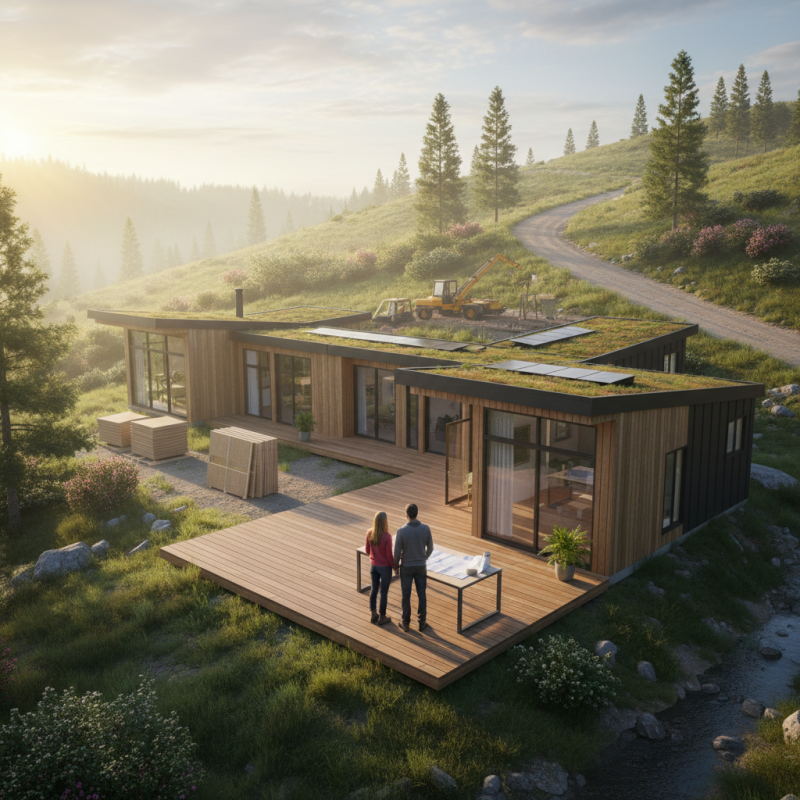
Kit houses are prefabricated homes that come in a package complete with all necessary materials and instructions for assembly. These structures can range from simple cabins to more elaborate homes, allowing for a variety of styles and personalities. The primary appeal of kit houses lies in their convenience and efficiency; they significantly reduce the amount of time and labor needed for construction when compared to traditional building methods. Many homeowners find them to be a practical solution for realizing their dream home project without the logistical complexities associated with standard home construction.
In addition to being time-efficient, kit houses offer financial benefits as well. With pre-cut materials and clear instructions, the potential for costly mistakes during construction is minimized. This allows homeowners to avoid unexpected expenses, making budget management more straightforward. Furthermore, kit houses can often be customized to fit personal preferences, from size and layout to design features and finishes. This adaptability can help homeowners achieve their ideal living space while still benefiting from the affordability and simplicity that kit houses provide.
How to Choose the Perfect Kit House for Your Dream Home Project - Understanding Kit Houses: Definition and Benefits
Feature
Description
Benefits
Affordability
Kit houses are generally more cost-effective compared to traditional homes.
Lower overall costs, allowing you to allocate funds to other project areas.
Customization
Many kit houses offer customizable designs to fit individual preferences.
Personalized space, ensuring the home meets your unique needs.
Assembly Time
Kit houses can often be assembled quickly compared to traditional construction.
Faster move-in time, reducing the time spent in temporary housing.
Sustainability
Many kit homes are designed with energy efficiency in mind, using sustainable materials.
Lower utility costs and a smaller carbon footprint.
Design Variety
Kit houses come in a variety of styles and sizes.
Choice of different aesthetics to match personal style and local environment.
Evaluating Your Needs: Space, Style, and Budget Considerations
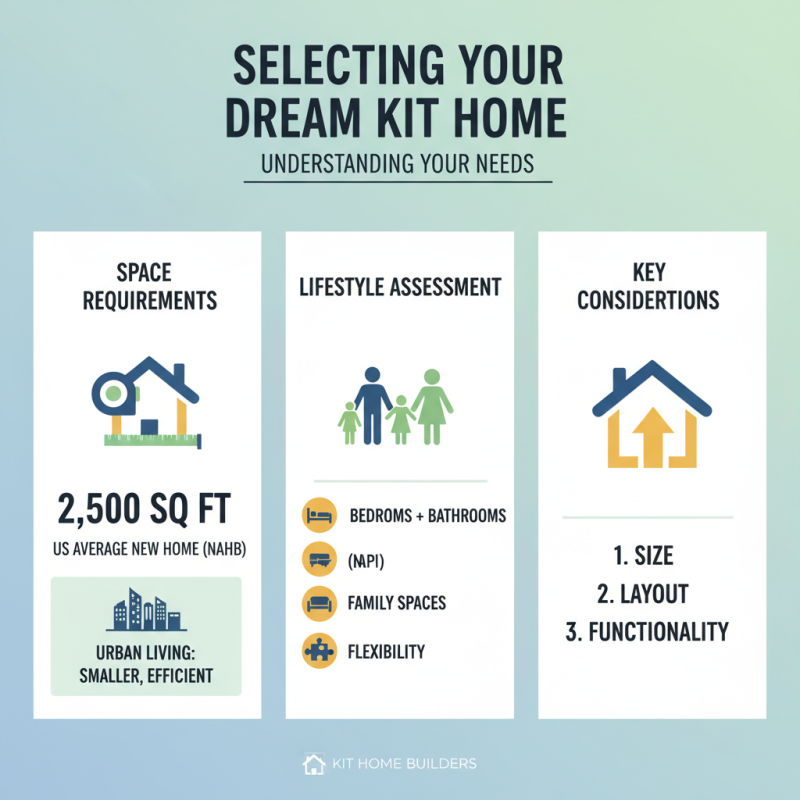
When it comes to selecting the perfect kit house for your dream home project, understanding your needs is paramount. Evaluating the space requirements often begins with a detailed assessment of your lifestyle. According to the National Association of Home Builders (NAHB), the average size of a new home in the U.S. has increased to about 2,500 square feet, indicating a shift towards larger family living spaces. However, for many individuals, especially those in urban environments, smaller and more efficient designs that maximize functionality are preferable. Consider factors such as the number of bedrooms and bathrooms required, as well as shared spaces for family activities.
Style considerations play a crucial role in the decision-making process as well. A report from the American Institute of Architects highlights that contemporary and modern styles continue to gain popularity among homeowners, with features such as open floor plans and eco-friendly materials being highly sought after. Thus, aligning your aesthetic preferences with your functional needs is essential. Additionally, maintaining a realistic budget is critical. A 2021 survey by HomeAdvisor indicated that the average cost per square foot for new home construction can range from $100 to $200, depending on the complexity of the design and the materials used. It's vital to account for all costs, including land acquisition and potential site preparation. Balancing space, style, and budget will guide you toward the perfect kit house that reflects your vision.
Researching Kit House Manufacturers: Reputation and Options
When embarking on the journey to choose the perfect kit house for your dream home project, a critical first step is researching the manufacturers behind these pre-fabricated designs. The reputation of a kit house manufacturer can significantly influence the quality and overall satisfaction of your home-building experience. Begin by looking for manufacturers with a strong track record, positive customer reviews, and industry recognition. Engaging with online forums or social media groups dedicated to home building can provide valuable insights from real customers and help you gauge the experiences others have had with specific manufacturers.
In addition to reputation, it's essential to evaluate the options available from different manufacturers. Some may specialize in certain architectural styles or sustainable building practices, while others might offer customizable layouts and finishes. Create a list of your preferences and compare how different companies address them. Consider factors such as the variety of model options, material quality, warranty offerings, and customer support services. Thorough research will ensure that you choose a kit house manufacturer that aligns with your vision, allowing you to turn your dream home project into reality with confidence.
How to Choose the Perfect Kit House for Your Dream Home Project
This chart displays the comparison of various key factors when choosing a kit house, including cost, customization options, delivery time, and warranty length.
Assessing Construction Quality: Materials and Design Features
When embarking on your dream home project, assessing construction quality is crucial to ensuring longevity and satisfaction with your kit house. Key materials play a pivotal role in overall durability; for example, homes constructed with steel framing often experience fewer structural issues over time, lasting up to 50 years or more when properly maintained. According to the "2019 Cost vs. Value Report", utilizing high-quality materials can yield a return on investment of approximately 70% at resale, underscoring the importance of thoughtful material selection.
Design features are equally vital in determining the resilience and functionality of your kit house. Energy-efficient windows, for instance, can reduce heating and cooling costs by up to 15%, as reported by the U.S. Department of Energy. Incorporating smart design elements such as proper drainage systems and ventilation not only enhances livability but also prevents potential future issues such as mold growth and water damage.
Tips: When choosing materials, consider their environmental impact and long-term performance. Look for certifications like Energy Star and sustainable sourcing to ensure you're making a responsible choice. Additionally, enlist the expertise of a knowledgeable architect or builder who can guide you on effective design features that suit your lifestyle while maintaining quality standards.
Navigating Permits and Regulations: Ensuring Compliance in Your Area
When embarking on the journey of building your dream kit house, it’s crucial to navigate the maze of permits and regulations in your area. Building codes can vary significantly from one locality to another, impacting everything from structural integrity to environmental considerations. According to the National Association of Home Builders (NAHB), about 25% of new home project delays are linked to permit issues. This underscores the importance of thorough research before you break ground on your kit house.
Tips: Always start by visiting your local building department’s website to access specific guidelines and requirements. Having a clear understanding of zoning laws, setback regulations, and required inspections can save you time and frustration later on.
Engaging with local authorities early in the planning process can also yield valuable insights, potentially avoiding costly changes during construction. Familiarizing yourself with state and local building codes will ensure that your kit house is compliant and safe, thereby enhancing its long-term value. According to a recent report by the U.S. Census Bureau, homes built in accordance with local regulations not only meet safety standards but also appreciate in value at an average rate of 3-5% annually, indicating the financial sense of adhering to these rules.
Tips: Don’t hesitate to consult with professionals who specialize in local regulations, such as architects or building consultants. Their expertise can help you anticipate challenges and streamline the permitting process, ensuring a smoother path to your dream home.