logo

Why Choose a Modern Modular House for Your Home Building Needs?

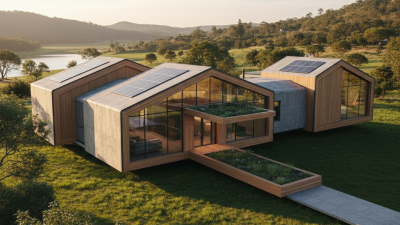
In recent years, the demand for modern modular houses has surged. A report by the Modular Home Builders Association indicates a 40% increase in sales over the past five years. This rise reflects a growing interest in efficient and sustainable living solutions.

John Smith, a leading expert in the modular home industry, states, “The beauty of modern modular houses lies in their design flexibility and speed of construction.” This adaptability attracts many new homeowners. These houses are not only quick to assemble but also customizable to suit individual tastes. They blend functionality with style.

However, not all modular homes meet high standards. Some lack quality materials, which can result in higher long-term costs. Buyers need to do their homework and choose reputable builders. It is essential to balance affordability with quality when considering a modern modular house. Ultimately, the right choice can lead to a rewarding living experience.

Why Choose a Modern Modular House for Your Home Building Needs?

Benefits of Modular Homes: Speed and Efficiency in Construction

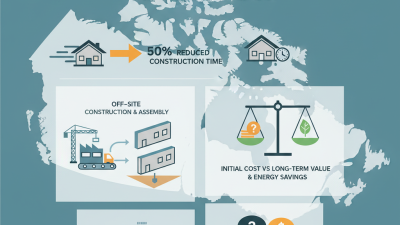
Modular homes present numerous advantages, notably in speed and efficiency. According to a report by the Modular Building Institute, these homes can be constructed 30-50% faster than traditional builds. This swift construction is primarily due to the simultaneous processes involved. While foundational work occurs on-site, modules are built in the factory. This overlap saves time and reduces delays caused by weather.

Efficiency extends beyond time savings. With a modular home, there is often less material waste. Builders utilize cutting-edge technology to minimize excess during production. Industry studies indicate that modular construction can reduce waste by up to 20%. This aligns with a growing demand for sustainability in building practices. Yet, as efficiency improves, it raises questions regarding craftsmanship and personal touch.

Still, one must consider potential downsides. Some modular homes may lack unique architectural features. Standard designs can lead to a look that feels repetitive. Buyers often desire customization, which may not be fully achievable with modular options. Residential satisfaction relies heavily on personal expression. Balancing speed and efficiency with individuality remains a challenge for the modular housing industry.

Cost Analysis: Comparing Modular vs. Traditional Home Building

When considering home building options, cost is a significant factor. A recent industry report indicates that modular homes can save up to 20-30% compared to traditional construction methods. The streamlined process of modular building reduces labor costs and construction time. This allows homeowners to move into their new houses faster, which can be a huge advantage.

Modular homes are built indoors in controlled environments. This minimizes weather-related delays that often plague traditional construction. Additionally, a study from the National Association of Home Builders reveals that the average modular home can be completed in about half the time of a standard home. However, it is essential to consider that site preparation costs may still be substantial and should be factored into the total expenses.

Tip: Always get multiple quotes. This ensures you find the best deal for your project. It is also wise to ask for references from previous clients. Quality varies, and knowing what others experienced can help you make an informed decision. Don’t overlook hidden costs, like permits and site preparation.

Sustainability in Modular Housing: Reducing Waste and Energy Use

Sustainability has become a crucial element in home building. Modular houses embody this trend by minimizing waste. Unlike traditional construction methods, modular homes are built in sections. These sections are constructed in a controlled factory environment, which leads to reduced waste. Surplus materials can often be reused, contributing to an overall lower environmental impact.

Energy efficiency is another key aspect of modular housing. The design of these homes often incorporates insulation and energy-efficient systems. This means homeowners can enjoy lower energy bills and a smaller carbon footprint. However, not all modular homes achieve the same efficiency. Choices matter. Selecting the right materials and systems plays a significant role.

Yet, there are challenges to address. Some modular homes might not meet local energy codes initially. Builders must ensure compliance for long-term sustainability. Also, aesthetics can sometimes be overlooked in favor of efficiency. This raises questions about the balance between function and form. Ultimately, modular housing invites us to rethink how we build and inhabit our spaces.

Design Flexibility: Customization Options for Modern Modular Homes

Why Choose a Modern Modular House for Your Home Building Needs?

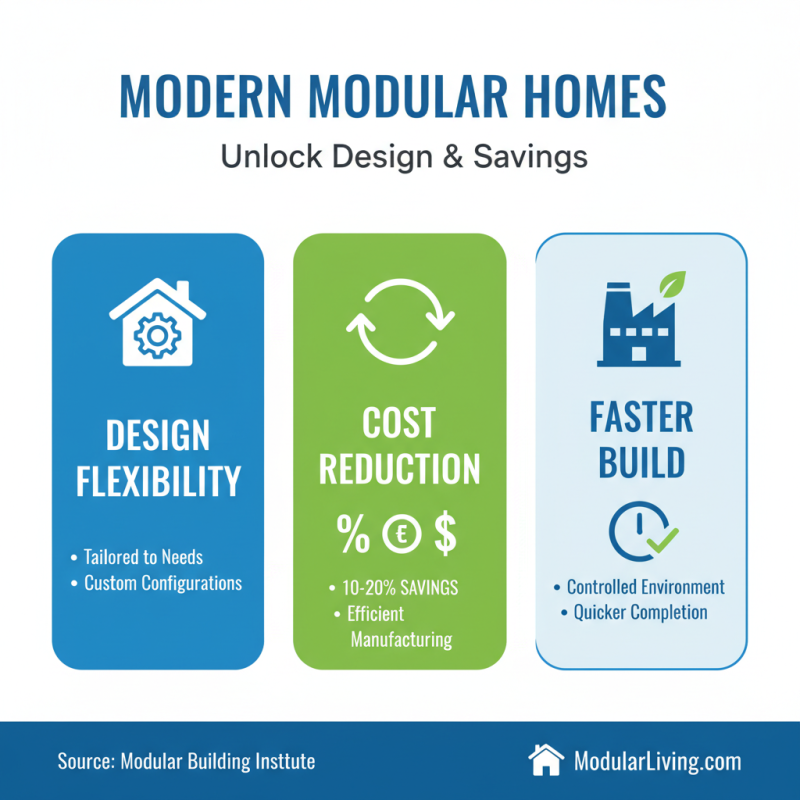
Modern modular homes offer remarkable design flexibility. Unlike traditional homes, these structures can be tailored to fit specific needs. Data from the Modular Building Institute shows that modular construction can reduce building costs by around 10% to 20%. This is largely due to controlled manufacturing environments that minimize waste.

Customization options include layout, finishes, and even eco-friendly features. Buyers can choose open floor plans or more segmented spaces. Some prefer energy-efficient windows while others may opt for solar panels. The ability to personalize is a significant draw. However, not all buyers fully utilize these options. Many stick to standard models, which may miss potential benefits that customization can bring.

A survey by the National Association of Home Builders indicates that almost 70% of homebuyers want customizable options. Yet, many feel overwhelmed by choices. This complexity can deter some buyers from maximizing their options. Ultimately, while the potential for customization is vast, it also requires thoughtful consideration.

Market Trends: The Growing Popularity of Modular Homes in 2023

In 2023, modular homes continue to gain traction. More people are drawn to their flexibility and modern designs. The appeal lies in the efficiency of construction. Families can move into their new homes faster than traditional builds. With an increased focus on sustainability, modular houses often use eco-friendly materials. This trend reflects a growing awareness of environmental impact.

Market trends show a shift in housing preferences. Many buyers seek affordability without sacrificing quality. Modular homes can significantly reduce costs. Builders can leverage innovative techniques to save time and resources. This often leads to better quality control during the construction process. However, some people still hold misconceptions about modular designs. They worry about durability and aesthetic appeal.

The increasing customization options challenge these misconceptions. Buyers can now choose layouts that reflect their unique tastes. This allows for personalized spaces that feel like home. Yet, not everyone is fully informed about available features. Some may miss out on opportunities to create their ideal living environment. The growing popularity of modular homes highlights a dynamic change in the housing market.

Modular Home Popularity Trends in 2023

The above chart illustrates the increasing trend of modular home sales from 2020 to 2023, highlighting the growing popularity and acceptance of modern modular homes in the housing market.