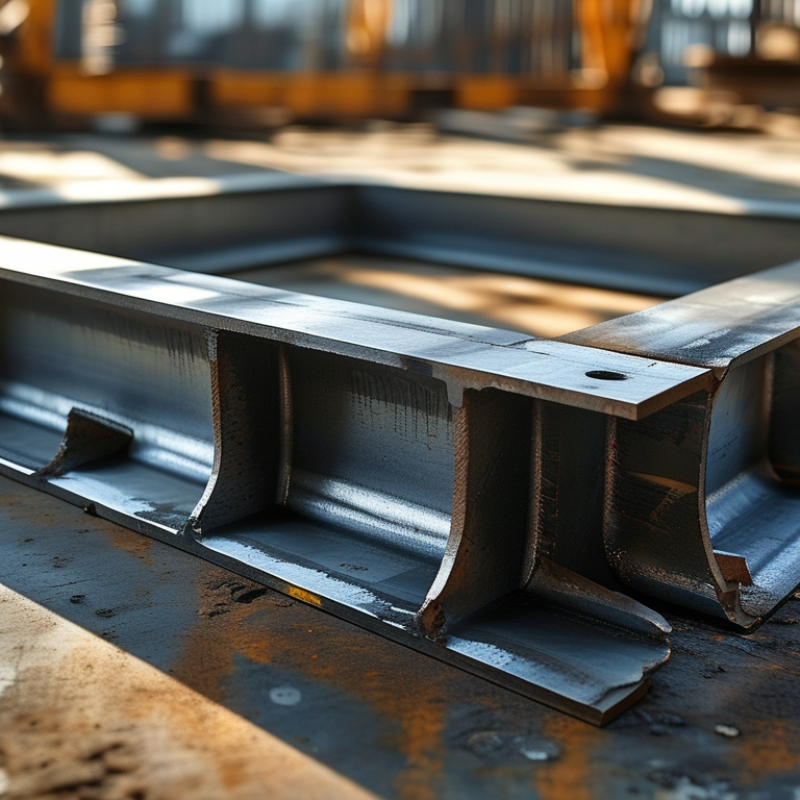
Why Choose Carbon Steel I Beam for Your Construction Needs?
In today's construction landscape, the choice of materials significantly impacts longevity and structural integrity. Among various options, the Carbon Steel I Beam stands out for its remarkable strength and versatility. This material caters to diverse architectural needs, providing a reliable framework for buildings and bridges alike.
Utilizing Carbon Steel I Beams offers a unique combination of durability and cost-effectiveness. The unique design allows for efficient load distribution, ensuring stability in even the most demanding environments. However, selecting this material also raises questions about its long-term behavior under various conditions. Construction professionals must weigh the benefits against potential challenges, such as corrosion in harsh climates.
The expertise surrounding the use of Carbon Steel I Beams is critical for modern construction projects. Knowledgeable engineers understand how to maximize performance while preventing common pitfalls. Ultimately, making an informed choice requires balancing the advantages with a thoughtful consideration of the risks involved.
Benefits of Using Carbon Steel I Beams in Construction Projects
Carbon steel I beams are a popular choice in construction due to their strength and versatility. They provide excellent load-bearing capacity, making them ideal for beams and columns in various structures. Their design allows for efficient weight distribution, which is crucial in reducing the risk of structural failure. This inherent strength means fewer beams might be required, potentially lowering overall material costs.
Using carbon steel I beams also enhances construction speed. Their lighter weight compared to other steel types makes them easier to handle and install. Construction teams can therefore complete projects more quickly. Additionally, carbon steel offers good weldability, allowing for seamless connections between components. This is essential in creating a sturdy and stable framework.
However, it's important to consider potential drawbacks. Carbon steel can corrode when exposed to moisture. It may require protective coatings, leading to additional maintenance. Addressing these issues is vital for ensuring longevity. Overall, while carbon steel I beams present several advantages, careful planning and execution are necessary for optimal results.
Comparative Advantages of Carbon Steel I Beams over Other Materials
Carbon steel I beams stand out in construction for several reasons. Their strength-to-weight ratio is impressive. This feature makes them ideal for large structures like bridges and skyscrapers. Compared to aluminum or wood, carbon steel offers superior durability and resistance to bending. It can handle heavy loads without significant deformation, a crucial aspect in any construction project.
Moreover, carbon steel is cost-effective. The initial investment may be higher than wood, but its longevity and strength lead to lower maintenance costs. Unlike other materials, carbon steel can withstand harsher environmental conditions. It is less prone to issues like rot or warping. However, it does require proper treatment to prevent rust, which can be a consideration in long-term projects.
One must weigh all factors when deciding. Carbon steel may not always be the best choice for smaller projects. Its weight can complicate handling and transportation. Additionally, a skilled labor force is necessary for assembly. Recognizing these challenges can lead to better decision-making in construction processes.
Factors to Consider When Choosing Carbon Steel I Beams
When selecting carbon steel I beams for construction projects, several factors come into play. The weight-bearing capacity is crucial. Understanding the specific loads your structure will face helps ensure safety and longevity. Different beam sizes and grades offer varied strength levels, so a detailed analysis of your project's requirements is essential.
Another consideration is the environmental factors that may affect the structure. Corrosion resistance is a key attribute for areas subjected to moisture or extreme weather. Choosing the right coating or treatment can enhance the lifespan of the beams. Also, manufacturing processes can impact the integrity of the steel. Knowing whether the beams are hot-rolled or cold-formed helps assess their suitability.
Cost is always a concern in construction. Price differences can arise based on beam size, grade, and processing methods. Balancing quality with budget is often challenging. In some cases, opting for a lower-cost option may lead to higher long-term expenses due to maintenance or replacement needs. Evaluating these elements thoughtfully can lead to better decision-making in your construction project.
Applications of Carbon Steel I Beams in Various Construction Fields
Carbon steel I beams are widely used in construction due to their strength and versatility. In residential and commercial buildings, these beams provide essential structural support. Their design allows for efficient load distribution, making them ideal for high-rise structures. In warehouses, carbon steel I beams facilitate spacious layouts. This maximizes storage and operational efficiency.
Infrastructure projects also benefit from carbon steel I beams. Bridges, for instance, rely on their durability and resistance to bending. These beams can withstand significant loads, ensuring the safety of transportation. In industrial settings, they support heavy machinery, proving their reliability under pressure.
However, relying solely on carbon steel I beams can have drawbacks. They can be susceptible to corrosion without proper treatment. Regular inspections are crucial to maintain their integrity. Ensuring adequate protective measures, such as coatings, can prolong their lifespan and strengthen structural safety. In any construction project, careful planning and consideration of materials are essential for optimal outcomes.
Maintenance and Longevity of Carbon Steel I Beams in Structures
Choosing carbon steel I beams for construction comes with significant advantages in terms of maintenance and longevity. These beams are known for their durability and strength, making them a popular choice in various structures. Proper care can enhance their lifespan considerably. Regular inspections for rust and corrosion are essential. Keeping the beams clean from dirt and debris contributes to their overall health.
Maintenance should not be overlooked. Applying a protective coating can prevent moisture from penetrating the steel surface. This step is crucial in extending the life of the beams. Additionally, addressing any signs of wear immediately can prevent minor issues from becoming major repairs.
Ensure you consider the environment where the beams will be used. In coastal areas, exposure to salt can accelerate corrosion. Thus, choosing the right protective measures for such conditions is vital. Routine check-ups allow for early detection of potential problems. Trusting the expertise of construction professionals can guide you in maintaining these essential structural components efficiently.