Buying prefab homes in Canada can make the path to a new home feel more manageable, but the process still has moving parts. A factory-built house is not simply delivered and placed on a lot. Buyers need to match a design to the land, confirm local requirements, and plan for transport, site work, and installation. Details matter.
Start by checking zoning and building requirements with the municipality where you plan to build. Rules can differ between communities, even within the same province. Ask what permits are needed, whether the proposed home meets applicable building codes, and what foundation options suit the property. A rural lot may need a well, septic system, or a longer access road. These costs can change the budget quickly.
When comparing prefab homes canada providers, look beyond the advertised base price. Request an itemized quote that explains what is included, such as delivery, crane access, foundation work, utility connections, and interior finishes. Ask how weather delays, warranty coverage, and change orders are handled. Get financing and insurance details in writing, and have the contract reviewed by a qualified professional before signing.
The ideal home is not always the largest or cheapest model. It is the one that fits your site, budget, and daily needs. Some choices may still feel uncertain; that is a reason to ask more questions, not to rush. A careful comparison can help you spot gaps before they become costly surprises.
Define Your Budget, Land, and Utility Needs Before Requesting Prefab Quotes
How to Buy Prefab Homes in Canada?
Before requesting prefab quotes, set a realistic total budget—not just a price for the home package. Include delivery, foundation, site preparation, permits, taxes, utility connections, and finishing work. Costs vary with location and site conditions. A sloped lot or long driveway can change the numbers quickly. Keep a contingency for unexpected work; even careful estimates can miss something. I learned that the hard way while comparing project costs on paper.
Confirm that the land can accommodate your intended home, and check local planning and building requirements with the relevant authorities. Then assess access for delivery trucks, soil conditions, and the space needed for installation. List your utility needs, too: water, wastewater, electricity, and internet. If services are not at the property line, ask qualified local professionals to estimate connection costs. These details help make quotes comparable. A low quote may exclude important site work.
Tips: Prepare a one-page site brief with your budget range, land details, preferred layout, and utility status. Ask each supplier what the quote includes, excludes, and assumes. Note unknowns honestly. It is tempting to treat estimates as firm prices, but they may change after a site review.
Verify CSA A277 Factory Certification and Applicable Provincial Building Codes
How to Buy Prefab Homes in Canada?
Verify CSA A277 Factory Certification and Applicable Provincial Building Codes
Before paying a deposit, request the home’s CSA A277 certification documents. CSA A277 sets out procedures for certifying factory-built buildings, modules, and panels. It is not a universal approval for every site or municipality. Check that the certification label matches the model, modules, and construction scope in your contract. Ask which code edition was used and whether the certificate covers the complete home or only specific components.
Then compare the factory documents with the rules where the home will sit. Provincial requirements and adopted code editions can differ. Snow and wind loads, energy performance, fire safety, foundations, and utility connections may need site-specific review. Confirm these details with your local building department before ordering. A label helps, but it is not a magic pass. I would also check that drawings, installation instructions, and inspection responsibilities are clearly assigned.
CMHC reported 245,120 Canadian housing starts in 2024, 2.3% more than in 2023, in its 2024 housing-start data. That figure covers all housing types, not prefab alone, so it cannot prove prefab quality or code compliance. Use it as market context, not a buying shortcut.
Keep the certificate, approved plans, and written answers together. Small paperwork gaps can become expensive site delays.
Compare Home Prices With Transport, Crane, Foundation, and Site-Work Costs
Prefab home prices are easy to compare until delivery is added. Ask each supplier for an itemized quote separating the home package, transport, crane, foundation, and site work. A low package price may exclude essential work. Small print matters.
Transport costs depend on route distance, module dimensions, road access, and whether delivery needs escorts or multiple trips. Ask who arranges permits and what happens if a narrow driveway or soft shoulder blocks the truck. Crane quotes should specify travel, setup time, lifting capacity, and standby charges. A rainy day can change the plan.
Foundation and site-work costs need local review. Soil conditions, slope, drainage, frost depth, utility connections, and excavation can shift the budget substantially. Have a local foundation professional review the site assumptions, then compare quotes with the same scope. Confirm whether grading, fill, septic or sewer connections, and cleanup are included. Keep a contingency for unknown ground conditions. It may feel pessimistic, but buried surprises are real. I would not treat one headline total as the finished cost.
Arrange Permits and Financing With Your Municipality, Lender, and Builder
Before ordering a prefab home, ask the municipality for written guidance on zoning, setbacks, servicing, and required drawings.
A factory-built home still needs site-specific approvals. Confirm whether permits cover only the foundation and installation, or also factory construction. Ask the builder to identify who prepares structural plans and coordinates inspections. Get the answer in writing. Small details matter.
Financing can depend on timing. Some lenders release funds in stages, while a factory may require a deposit before delivery. Share the builder’s payment schedule, transport plan, and installation dates with your lender early.
Canada Mortgage and Housing Corporation’s 2023 Housing Supply Report estimated that 3.5 million more homes would be needed by 2030, beyond projected construction, to restore affordability.
That pressure does not guarantee faster local approvals. CMHC also reported 245,120 housing starts in 2024, but starts are not completed homes. Ask your municipality about current review times, then build those estimates into the contract. Keep a cash buffer for site work; I have seen neat budgets fail over drainage or utility connections. The paperwork can feel repetitive. It is still worth checking every date and responsibility.
Plan Delivery and Installation: MBI Reports Modular Builds Can Be Up to 50% Faster
When buying a prefab home in Canada, plan delivery and installation before choosing a model. Industry reporting has cited modular builds as up to 50% faster than conventional construction. That is a potential advantage, not a guaranteed move-in date. Factory work can happen while crews prepare the foundation, but weather, permits, transport distance, and inspection schedules still affect timing. I would not treat the percentage as a promise.
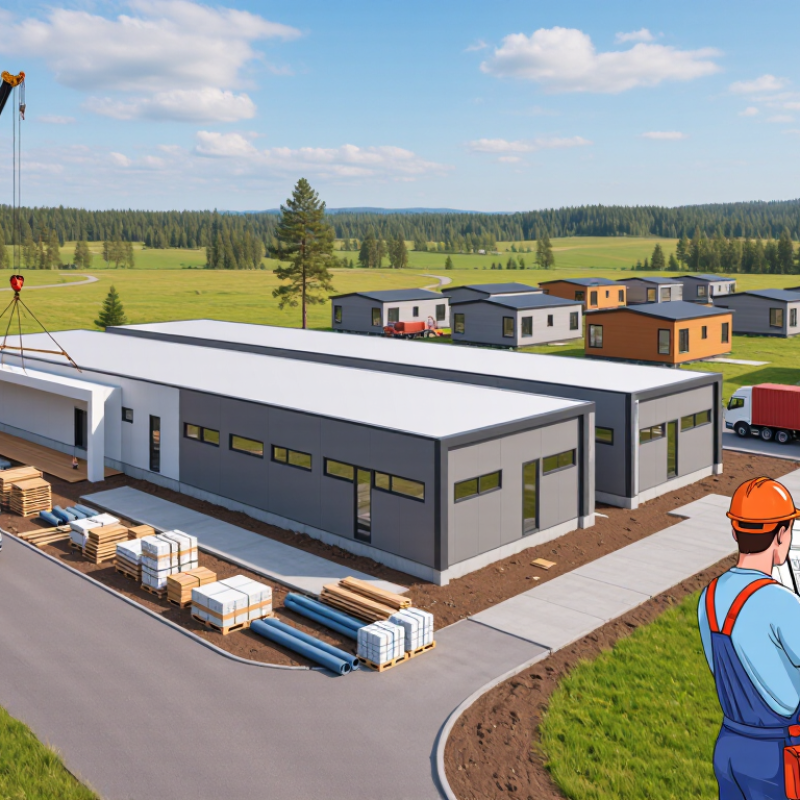
Ask the supplier for a written sequence covering site preparation, delivery, crane placement, utility connections, and final inspections. Check whether the access road can handle a large truck, and confirm there is room for a crane to work safely. A narrow driveway or overhead wires can cause costly delays. Good planning matters.
Also clarify who coordinates the foundation and utility hookups; responsibilities can fall between separate contractors. Keep a buffer in your schedule, especially during a Canadian winter. Weather still intervenes.
Before delivery, compare the completed foundation and service locations with the home’s plans. A small mismatch can mean extra work on installation day.