10 Best Prefab Homes for Affordable and Sustainable Living in 2023
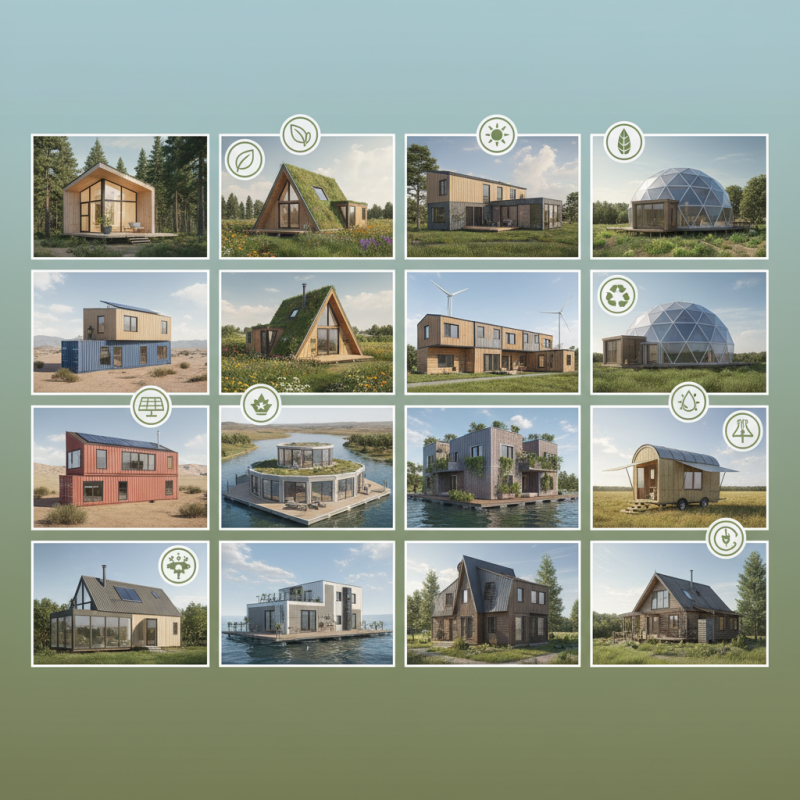
In an era where sustainable living is becoming increasingly important, prefab homes have gained significant attention as an eco-friendly and cost-effective housing solution. These prefabricated structures, built off-site and assembled on location, offer a unique blend of innovation and practicality, catering to the growing demand for affordable housing options. With advancements in design and construction technology, the versatility of prefab homes allows for a range of styles, sizes, and functionalities to meet diverse living needs.
As we explore the 10 best prefab homes for affordable and sustainable living in 2023, it's essential to highlight how these homes not only reduce construction waste but also promote energy efficiency. By utilizing sustainable materials and modern building practices, prefab homes minimize their environmental impact while providing comfortable and stylish living spaces. Whether you are a first-time homebuyer or looking to downsize, prefab homes present a compelling option that aligns with both budgetary constraints and a commitment to sustainable living. Join us as we delve into the remarkable world of prefab homes that exemplify innovation and affordability.
Top Features to Look for in Affordable Prefab Homes
When searching for affordable prefab homes, several key features can significantly enhance the living experience and sustainability of a home. One of the most crucial elements is energy efficiency. As reported by the U.S. Department of Energy, energy-efficient homes can reduce utility costs by 30% to 50%. Features such as high-quality insulation, energy-efficient windows, and appliances can contribute greatly to lowering energy consumption. In fact, Energy Star-rated homes are known to consume up to 30% less energy, making them not only economical but also beneficial for the environment.
Another important aspect to consider is the use of sustainable materials. According to research from the National Association of Home Builders, an increasing number of consumers are prioritizing sustainability in their home-building process. Materials like bamboo, reclaimed wood, and recycled steel not only reduce the environmental impact but can also lead to better indoor air quality. Moreover, homes designed with a smaller footprint promote a minimalist lifestyle, further supporting sustainable living. By focusing on these essential features, prospective buyers can find prefab homes that align with both their budget and their values, paving the way for a comfortable and environmentally friendly lifestyle.
Sustainable Materials Commonly Used in Prefabricated Housing
Sustainable materials play a crucial role in the construction of prefabricated homes, offering a greener alternative to traditional building practices. These materials not only reduce the environmental impact during the construction phase but also contribute to the overall sustainability of the home throughout its lifecycle. Commonly used sustainable materials include reclaimed wood, which minimizes deforestation and gives new life to old timber. Additionally, bamboo emerges as an appealing choice due to its rapid growth and strength, making it an eco-friendly alternative to conventional hardwoods.
Another key material often utilized in prefab homes is recycled steel. This material is highly durable, resistant to pests, and can be reused multiple times without losing its integrity. Meanwhile, insulating materials derived from natural resources, such as sheep's wool and cellulose, offer excellent thermal performance and reduce energy consumption. By prioritizing these sustainable materials, builders can create homes that not only meet modern living standards but also align with the growing demand for environmentally-conscious building practices.
Comparison of Cost: Prefab Homes vs. Traditional Construction
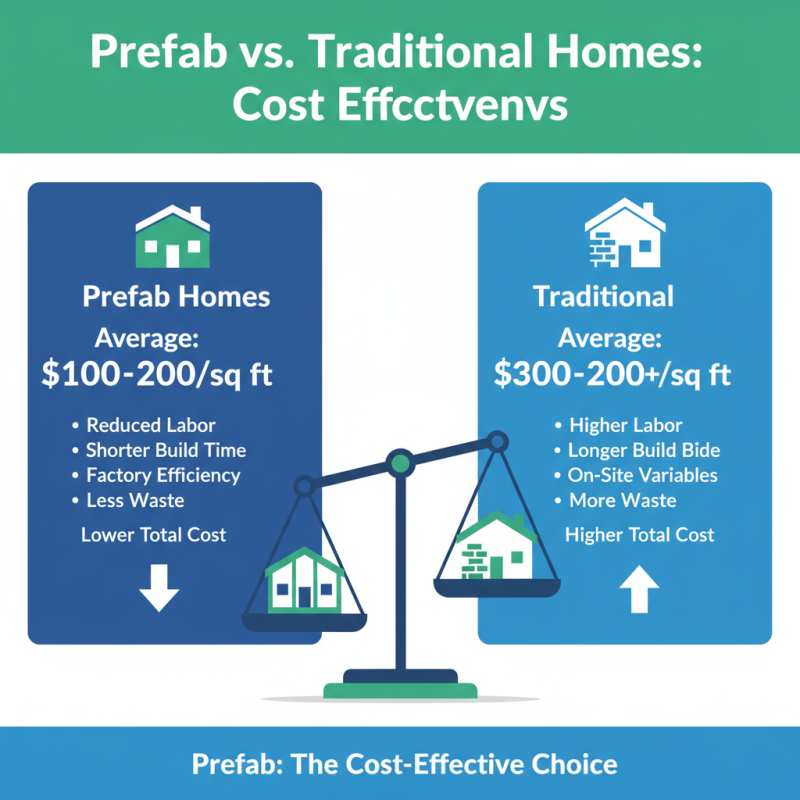
When considering the cost-effectiveness of living solutions, prefab homes have emerged as a strong contender compared to traditional construction methods. The average price of a prefab home typically ranges from $100 to $200 per square foot, significantly lower than traditional homes which can soar above $300 per square foot, especially in urban areas. This stark difference can be attributed to several factors, including reduced labor costs, shorter construction times, and efficiencies gained through modern manufacturing processes. Prefab homes are built in sections in a factory setting and then transported to the site, minimizing waste and potential delays tied to weather or labor shortages.
Moreover, the overall lifecycle costs associated with prefab homes tend to be lower as well. Many prefab models prioritize energy efficiency, integrating sustainable materials and technologies that lower utility bills over time. In contrast, traditional homes often require extensive retrofitting to meet modern energy standards, which can add to the total expenditure. As consumers become increasingly budget-conscious while also seeking eco-friendly living options, the inherent advantages of prefab homes, both in initial costs and long-term sustainability, make them an attractive alternative for those looking to invest in affordable and efficient housing solutions.
Benefits of Prefab Homes for Eco-Friendly Living
Prefab homes have gained popularity in recent years due to their potential for eco-friendly living. One of the primary benefits of these homes is their energy efficiency. Most prefab designs include sustainable materials and advanced insulation techniques, which significantly reduce energy consumption. As a result, homeowners can enjoy lower utility bills while minimizing their carbon footprint. By utilizing renewable energy sources such as solar panels during construction, prefab homes can further enhance their sustainability, providing a cleaner alternative to traditional housing.
Moreover, the efficient construction process of prefab homes contributes to less waste and a reduced environmental impact. Since the components are built in a factory setting, there's better control over materials and resources, leading to a reduction in leftover materials compared to conventional building methods. This streamlined construction also means that the overall building timeline is shorter, which reduces energy use during the construction phase. With these sustainable practices, prefab homes offer a promising solution for individuals seeking affordable housing without compromising their commitment to eco-friendly living.
10 Best Prefab Homes for Affordable and Sustainable Living in 2023
Model
Size (sq ft)
Price Range ($)
Eco Features
Build Time (Months)
Eco-Compact
400
$50,000 - $70,000
Solar Panels, Recycled Materials
6
Green Haven
800
$80,000 - $110,000
Rainwater Harvesting, Energy Efficient
9
Zen Villa
1000
$120,000 - $150,000
Natural Ventilation, High Insulation
7
Sustainable Cube
600
$60,000 - $80,000
LED Lighting, Energy Star Appliances
5
Tiny Eco Home
300
$30,000 - $50,000
Compost Toilet, Solar Water Heater
4
Innovative Design Trends in 2023 Prefab Housing Solutions
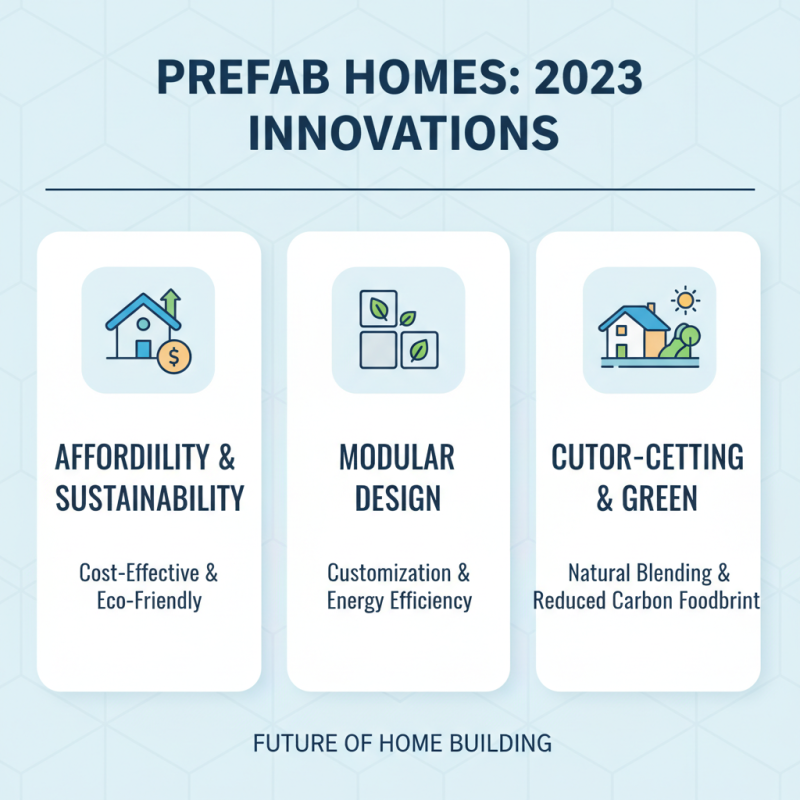
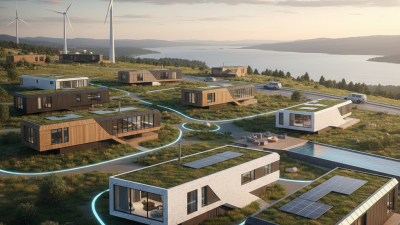
In 2023, the landscape of prefab homes is witnessing innovative design trends that prioritize both affordability and sustainability. Modern prefab homes are becoming more than just a cost-effective solution; they are embodying cutting-edge architecture and eco-friendly practices. One significant trend is the use of modular designs that allow for customization while maximizing energy efficiency. These homes are designed to seamlessly blend with natural surroundings, using materials that not only reduce carbon footprints but also enhance aesthetic appeal.
Sustainable living is further bolstered by advancements in eco-friendly technologies. Many prefab homes now incorporate features like solar panels, rainwater harvesting systems, and energy-efficient appliances as standard. This focus on sustainability doesn't compromise style—interior layouts are increasingly open-concept, promoting natural light and air circulation, which creates a more inviting atmosphere.
Tips: When considering a prefab home, prioritize designs that maximize natural light and space efficiency. Additionally, look for options that allow for future expansion or customization to ensure your home can adapt to your changing needs. Always review the sustainability certifications of materials used in construction to guarantee they align with your eco-friendly goals.