2026 Best Modern Prefab Houses for Global Buyers to Consider?
In recent years, modern prefab houses have gained immense popularity among global buyers. These innovative structures combine sleek design with eco-friendly materials. They promise affordability and sustainability, addressing the needs of contemporary living. With the rise of urbanization, many are considering prefabricated homes as a viable alternative.
By 2026, the trend of modern prefab houses is expected to evolve. Buyers now seek unique designs that reflect personal style while emphasizing functionality. Each model offers various features, promoting a lifestyle that connects with nature. However, challenges remain. Buyers must navigate local regulations and zoning laws that can complicate the process.
Choosing a modern prefab house requires careful thought. It's essential to evaluate factors like climate, location, and lifestyle needs. While these homes provide many benefits, they also come with limitations. Potential homeowners should be aware of the intricacies involved in customization and construction timelines. This landscape is still growing, inviting both excitement and consideration for future buyers.
Overview of Prefabricated Houses: Definition and Benefits
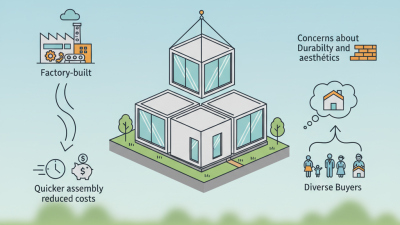
Prefabricated houses are a modern solution to housing needs. They are built off-site in controlled environments. This process reduces construction time significantly. Home owners can move in sooner than with traditional builds. Many enjoy the benefits of cost-effectiveness and sustainability. Prefab houses often use eco-friendly materials. This attention to the environment appeals to many buyers today.
Another key aspect is customization. Many designs allow for personal touches. Buyers can select layouts, finishes, and more. However, it’s essential to remember that limitations exist. Some may find that local regulations impact designs. These constraints could limit creativity.
Future homeowners need to do their research ahead of time.
Quality is another factor to consider. While many prefab homes boast high standards, not all manufacturers are equal. Potential buyers must investigate their options thoroughly. Reviews and expert recommendations can provide insight. Ultimately, choosing the right prefab house requires careful thought. It involves weighing immediate benefits against potential long-term challenges. Those who engage with the process will find success.
Key Trends in Modern Prefab House Design for 2026
As we look toward 2026, modern prefab houses are gaining popularity among international buyers. Innovative design trends are shaping the future of these homes. Sustainability remains a key focus. Expect to see eco-friendly materials and energy-efficient systems becoming standard. This is not just a trend; it is a necessity.
In addition to sustainability, functionality is crucial. Open floor plans are favored for their versatility. These designs allow for easy adaptation to different needs. However, it's essential to balance open spaces with private areas. Buyers often overlook sound insulation, which is vital for comfort.
Tip: Consider modular designs that offer flexibility. They can be adjusted as family needs change. Remember that personalization is important. Adding unique features can make a prefab house feel like home. Embrace the imperfections in the design, as they can lead to innovative solutions and distinctive styles.
Top Prefab House Manufacturers to Consider Globally
When exploring modern prefab houses, selecting the right manufacturer is key. The market is diverse, with each brand showcasing unique styles and construction techniques. Global buyers should focus on quality, sustainability, and innovative designs. These elements define a strong prefab house that meets various living needs.
Some manufacturers specialize in eco-friendly materials, ensuring homes are energy-efficient. Others emphasize compact designs, perfect for urban settings. A well-built prefab house should also consider local climate conditions, maximizing durability and comfort. It is vital to verify the manufacturer’s expertise and track record. Reading reviews and testimonials can provide insights into their reliability and customer satisfaction.
Moreover, the affordability of prefab homes may vary significantly. It's crucial to weigh the cost against the quality and lifespan of the materials used. Some designs may appear appealing but lack long-term resilience. Research can help potential buyers avoid costly mistakes. Investing time in understanding different manufacturers leads to smarter choices.
2026 Best Modern Prefab Houses for Global Buyers to Consider
House Model
Size (sq ft)
Price Range ($)
Number of Bedrooms
Sustainability Features
Modern Eco Retreat
1,200
150,000 - 200,000
3
Solar panels, Energy-efficient appliances
Contemporary Cabin
900
100,000 - 150,000
2
Recycled materials, Green roof
Urban Loft
1,000
120,000 - 180,000
2
Low-flow fixtures, Smart home technology
Minimalist Haven
1,500
200,000 - 250,000
4
Passive design, Energy-efficient windows
Family-friendly Bungalow
1,800
250,000 - 300,000
3
Sustainable landscaping, Energy recovery ventilation
Sustainable Materials and Technologies in Modern Prefab Housing
Modern prefab housing is gaining traction worldwide, particularly for its use of sustainable materials and innovative technologies. Builders are increasingly turning to eco-friendly resources, such as recycled steel and sustainably sourced wood. These materials not only reduce carbon footprints but also blend seamlessly with natural environments. Prefab houses can be designed for energy efficiency, utilizing advanced insulation methods and energy-producing systems like solar panels.
Consideration of sustainable technologies is essential. Many modern prefab homes incorporate smart home systems that optimize energy use. These technologies can monitor energy consumption and adjust systems accordingly. Passive solar design is another technique commonly found in these houses, maximizing natural light and minimizing reliance on artificial heating and cooling.
However, challenges remain. Not all prefab homes are created equal in sustainability. Some manufacturers may prioritize speed over quality, resulting in less durable structures. Buyers must research and verify the sustainability claims of each home. Understanding materials and technology ensures that investment aligns with environmental goals.
2026 Best Modern Prefab Houses - Sustainable Materials and Technologies
Factors to Consider When Choosing a Prefab House for Your Needs
When choosing a prefab house, several factors must be taken into account. First, assess your budget. According to industry reports, the average cost per square foot for prefab homes ranges from $100 to $200. This variance largely depends on design complexity and materials. Understanding your financial limits can guide your selections.
Another important factor is location. Prefab houses should complement their surroundings. For instance, materials suited for coastal areas differ from those meant for mountainous regions. Poor insulation in a cold area can lead to higher energy bills. Similarly, consider accessibility for delivery and assembly. This aspect can significantly impact the overall timeline and cost.
Tips: Research local regulations. Many areas have specific building codes for prefab homes. Don’t overlook resale value. Emerging data indicates that well-placed prefab houses maintain or increase their value over time. Balancing aesthetic preferences with practicality is key, but remember that even the most beautiful design might present challenges. Take time to reflect on how each decision aligns with your long-term goals.