2026 Best Modern Modular Homes for Sustainable Living Solutions?
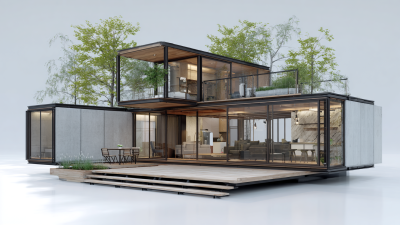
Modern modular homes are at the forefront of sustainable living. In 2026, these homes offer innovative designs and eco-friendly solutions. They combine efficiency with comfort, appealing to a wide audience.
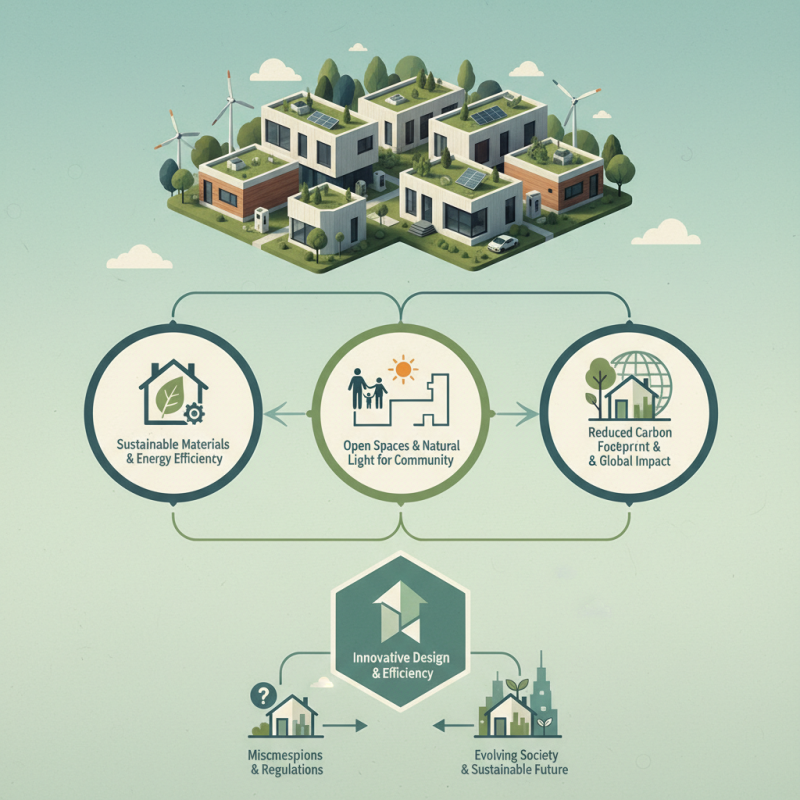
These homes use sustainable materials and energy-efficient systems. They have a smaller carbon footprint than traditional houses. The designs often emphasize natural light and open spaces. However, they may lack the charm found in older homes. This raises questions about community and personalization.
While modern modular homes are a step toward sustainability, challenges remain. Many people have misconceptions about their quality and aesthetics. Additionally, local regulations can hinder their construction. As society embraces change, the push for more sustainable living grows stronger. The evolution of modern modular homes reflects this journey.
2026 Trends in Modern Modular Homes for Sustainable Living
The trend in modern modular homes is shifting towards sustainable living. People are increasingly seeking eco-friendly solutions that minimize their environmental footprint. These homes often utilize recycled materials, reducing waste in construction. They are designed to maximize energy efficiency through clever insulation and solar panels. Compact yet functional designs make these homes appealing to many buyers.
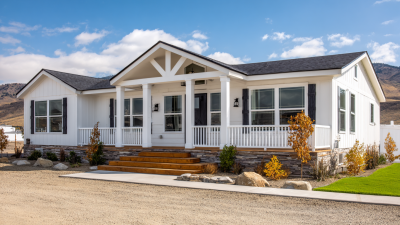
Another noteworthy aspect is the versatility of modern modular homes. They can adapt to various landscapes, whether urban or rural. Customization options allow homeowners to reflect personal styles while promoting sustainability. However, there can be challenges. Some modular homes may lack the charm of traditional constructions. Others might face zoning restrictions or higher shipping costs. Reflecting on these factors helps in understanding the full scope of modular living.
Embracing sustainable practices in modular construction isn't always straightforward. Each design choice comes with trade-offs. For instance, while energy-efficient materials can save costs, they may lead to delays. It’s essential to weigh these aspects carefully. Ultimately, the goal is to create a livable, eco-conscious environment that benefits both the homeowner and the planet.
2026 Trends in Modern Modular Homes for Sustainable Living
Key Features of Sustainable Modular Designs
Modern modular homes are at the forefront of sustainable living solutions. Their design often incorporates eco-friendly materials. Recycled steel, bamboo, and reclaimed wood are popular choices. These materials reduce carbon footprints significantly. Large windows enable natural light, lowering the need for artificial lighting. But, this could lead to excessive heat in summer. Thoughtful shading solutions are essential.
Energy efficiency is another key aspect. Many designs feature solar panels to harness renewable energy. Rainwater harvesting systems are gaining traction for irrigation. However, the initial investment can be daunting for some. Additionally, modular homes often promote open floor plans. This enhances airflow and reduces energy consumption. Still, space management becomes a challenge in smaller units.
Sustainable designs also emphasize smart technology. Thermostats and smart meters help monitor energy use. But technology can malfunction, sometimes leading to increased consumption. Sustainability isn't just about the materials; it requires ongoing effort. Community spaces are vital for promoting eco-conscious living. Many modular homes include gardens and shared areas. These foster a sense of belonging, but privacy can be compromised. Balancing open spaces and private retreats is necessary for holistic design.
Benefits of Modular Homes in Environmental Conservation
Modular homes are gaining attention for their role in environmental conservation. These structures are built off-site, reducing construction waste significantly. The assembly process minimizes disruption to the land, preserving local ecosystems. With well-planned designs, many modular homes incorporate energy-efficient technologies. Solar panels and rainwater harvesting systems are common features.
While the benefits are substantial, there are challenges to consider. Not all modular homes are created equal. Some may use materials that are not environmentally friendly. It’s crucial to research and choose wisely. Modular construction can also face zoning issues. Local regulations may complicate installation. It’s important to navigate these factors carefully to ensure long-term sustainability.
Choosing a modular home can be a step toward more sustainable living. It allows homeowners to make eco-conscious choices. Yet, it’s essential to reflect on individual needs and community impact. The journey to sustainable living is ongoing. Every decision counts, even in modular housing.
Top 10 Innovative Modular Home Designs of 2026
The modular home concept is evolving. More people seek efficient and eco-friendly living. 2026 brings incredible designs that cater to these needs. Here are ten innovative modular home designs to consider for sustainable living.
Many homes emphasize renewable energy sources. Solar panels are popular. Some designs include green roofs with native plants. They help with insulation and reduce runoff. However, these features can require maintenance. Ensure you are prepared for that.
When choosing a modular home, think about space and layout. Open floor plans offer a sense of freedom. Natural light should flood the space. Yet, large windows can lead to heat loss. Energy-efficient glazing can be a solution.
Consider prefabrication techniques. They reduce waste during construction. Some designs feature adaptable spaces that grow with your family. But flexibility may lead to challenges in interior design. It’s essential to visualize how each room will function over time.
2026 Best Modern Modular Homes for Sustainable Living Solutions
Model Name
Size (sq ft)
Number of Bedrooms
Energy Efficiency Rating
Price ($)
Eco Haven
1,200
2
A+
250,000
Sustainabode
1,800
3
A
320,000
Green Retreat
1,500
2
A+
290,000
Modular Oasis
2,000
4
B+
400,000
Urban Nest
1,100
2
A
220,000
Haven Home
1,300
3
A++
310,000
The Eco Pod
1,400
2
A+
260,000
Smart Living Unit
1,600
3
B+
380,000
Minimalist Dwelling
900
1
A-
150,000
Nature's Nest
1,700
3
A++
330,000
Future of Modular Living: Challenges and Opportunities for Sustainability
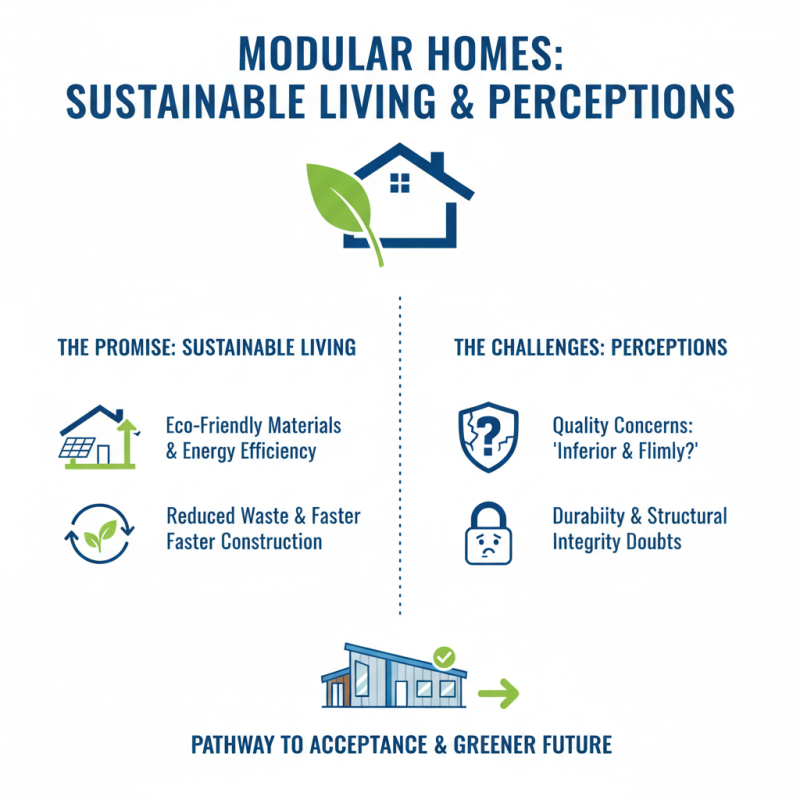
The rise of modular homes offers a pathway to sustainable living. However, this path is not without its challenges. Many people view modular homes as inferior in quality. They worry about structural integrity and durability. These concerns can hinder acceptance of modern modular solutions.
Tips for sustainable modular living: consider energy efficiency first. Prioritize materials that are both durable and renewable. Look for designs that maximize natural light. These elements contribute to a healthier indoor environment. Investing in sustainable technology could be worthwhile. However, some products may not deliver on their promises.
Sustainability also raises questions about community impact. Modular homes can be quicker to build, but they may lead to urban sprawl. This can strain local resources. Reflecting on the balance between convenience and ecological responsibility is vital. Keeping the community’s needs in mind will drive better solutions.