logo

Best Intensive Mixers for Optimal Industrial Performance?

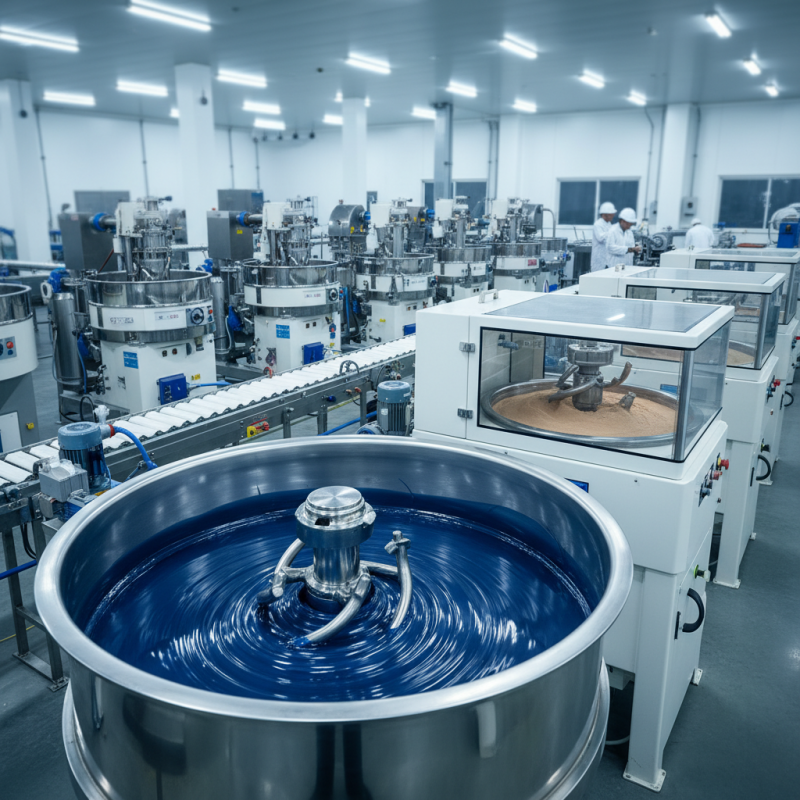
In the competitive realm of industrial production, the choice of equipment can make or break performance. According to Dr. Emily Chen, a leading expert in mixing technologies, “An effective Intensive mixer can elevate product quality and consistency.” Intensive mixers are designed to optimize the blending process, enhancing efficiency and leading to superior results.

These machines play a crucial role in various industries, from food processing to pharmaceuticals. The ability to mix high-viscosity materials efficiently is critical. However, many facilities may overlook the specific needs of their operations when selecting an intensive mixer. This could lead to inefficiencies or inconsistent output, highlighting the importance of tailored equipment choices.

Investing in the right intensive mixer requires careful consideration. Factors include capacity, mixing speed, and material compatibility. Industrial performance hinges on these decisions. As companies evolve, the quest for the optimal intensive mixer should remain a priority, fostering continuous improvement and innovation in production processes.

Best Intensive Mixers for Optimal Industrial Performance?

Types of Intensive Mixers Used in Industrial Applications

Intensive mixers are essential in various industrial applications. They facilitate the blending of different materials to achieve a consistent product. Among the most common types are batch mixers, continuous mixers, and dual-shaft mixers. Each type has unique characteristics that make it suitable for specific tasks.


Batch mixers can handle precise quantities of materials. They are ideal for small-scale production needs. Continuous mixers, on the other hand, excel in large-scale operations. They maintain a steady flow of materials, ensuring efficiency and consistency. Dual-shaft mixers combine the benefits of both styles. They use two separate shafts to enhance mixing quality. This design allows for better control over the mixing process.


Choosing the right mixer can be challenging. Each type has its advantages and limitations. Some industries may require special features not found in every model. It's crucial to evaluate needs carefully. Misjudgments here can lead to production inefficiencies. Investing in the wrong type may result in wasted resources. Engage with experts to gain insights before making a decision.

Key Features of Effective Intensive Mixers for Performance

Intensive mixers play a crucial role in industrial productivity. Understanding their key features can significantly enhance operational efficiency. One primary aspect is the mixing speed. High-speed mixing can achieve homogeneous blends in a fraction of the time compared to traditional methods. According to industry reports, optimizing mixing speed can reduce production cycles by up to 30%.

Another vital feature is the design of mixing chambers. A well-engineered chamber facilitates better material flow. This reduces dead zones where material might clump, thus ensuring uniform consistency. Data indicates that poor design can lead to significant product variability, affecting overall product quality by as much as 25%.

Control systems are equally important. Advanced systems should allow for precise adjustments in temperature and pressure, critical in many applications. Reports show that sophisticated control mechanisms can improve batch consistency by nearly 20%. However, finding the right balance between automation and manual oversight is a challenge that many face. Continuous improvement in mixer design is necessary to address these issues and enhance performance.

Comparative Analysis of Leading Brands in Intensive Mixers

When evaluating intensive mixers, it's crucial to compare the leading brands in the market. Performance varies significantly among different models. Factors such as mixing efficiency, energy consumption, and maintenance requirements play pivotal roles in selection.

Consider the type of materials you'll be mixing. Some mixers excel with high-viscosity substances, while others perform better with dry powders. Energy costs should also be considered. A more efficient model can reduce operational expenses over time.

**Tips**: Always check for user reviews. They can provide real-world insights. Assess your production needs carefully. Selecting the right mixer means evaluating both initial costs and long-term investment. Don't overlook the importance of after-sales support. An unresponsive service team can lead to frustrating downtime.

Maintenance Best Practices for Optimal Mixer Performance

Maintaining industrial mixers is vital for optimal performance. Regular maintenance ensures the longevity and efficiency of the equipment. This practice helps avoid costly downtime. When mixers are neglected, issues often develop, leading to reduced output quality. Observing regular check-ups can mitigate these risks significantly.

Tips: Schedule routine inspections at least quarterly. Inspect seals, bearings, and motor performance.

Another key aspect is lubrication. Proper lubrication reduces wear and tear on moving parts. It ensures smooth operations and prevents unexpected failures. Failure to lubricate can lead to overheating or breakdowns. Workers should also keep work environments clean to prevent contamination.

Tips: Use the correct type of lubricant. Train staff to recognize signs of inadequate lubrication.

Lastly, operators should monitor the mixer's performance consistently. Understanding the normal operational parameters helps identify early signs of trouble. Being attentive to unusual sounds or vibrations can be crucial. Ignoring these signs can escalate minor issues into major repairs.

Tips: Document any irregularities and address them promptly. Foster a culture of vigilance among staff.

Future Trends in Intensive Mixer Technology and Innovation

Intensive mixers play a vital role in numerous industries, particularly in processing materials efficiently. As technology evolves, so do the trends shaping the future of intensive mixer technology. One major trend is the integration of automation. With smart sensors and AI, manufacturers can optimize mixing processes in real-time, reducing waste and improving consistency.

Another emerging trend is the focus on sustainability. More companies are seeking energy-efficient mixers. These models consume less power while maintaining performance. This shift not only benefits the environment but also lowers operational costs for businesses.

Tips: Regularly evaluate your mixer’s efficiency. Look for signs of wear and tear that may influence your production. Staying updated on technology trends is crucial. Attend industry workshops or seminars. Understanding these advancements can help in making informed decisions.

Finally, consider that implementing new technologies may require initial adjustments. Training staff is essential. Some may find change challenging. Overcoming this resistance will ultimately lead to better performance and efficiency. Always seek feedback from your team to fine-tune processes.