Best Prefab Home Kits for Affordable and Sustainable Living?
In recent years, the housing market has faced significant challenges. As home prices reach all-time highs, many seek alternatives to traditional construction. Prefab home kits have emerged as a popular solution for those pursuing affordable and sustainable living. According to a 2022 report by the Modular Building Institute, the prefab housing market is projected to grow by 10% annually through 2026, driven by rising demand for efficient building methods.
Prefab home kits offer a pathway to homeownership with streamlined construction. These kits typically require fewer materials and result in less waste. A study by McKinsey found that modular construction can reduce project timelines by up to 50%. However, the perception of prefab homes often leans toward the generic and uninspired. While they promise affordability, some designs fail to resonate with buyers' desires for unique aesthetics.
The push for sustainability adds another layer to this discussion. According to the U.S. Green Building Council, sustainable homes result in lower energy costs and a reduced carbon footprint. However, achieving true sustainability in prefab home kits requires careful planning and high-quality materials. There remains a gap in the market, as not all kits truly deliver on these principles. Choosing the right prefab home kits involves balancing cost with the commitment to environmental responsibility.
Factors to Consider When Choosing Prefab Home Kits
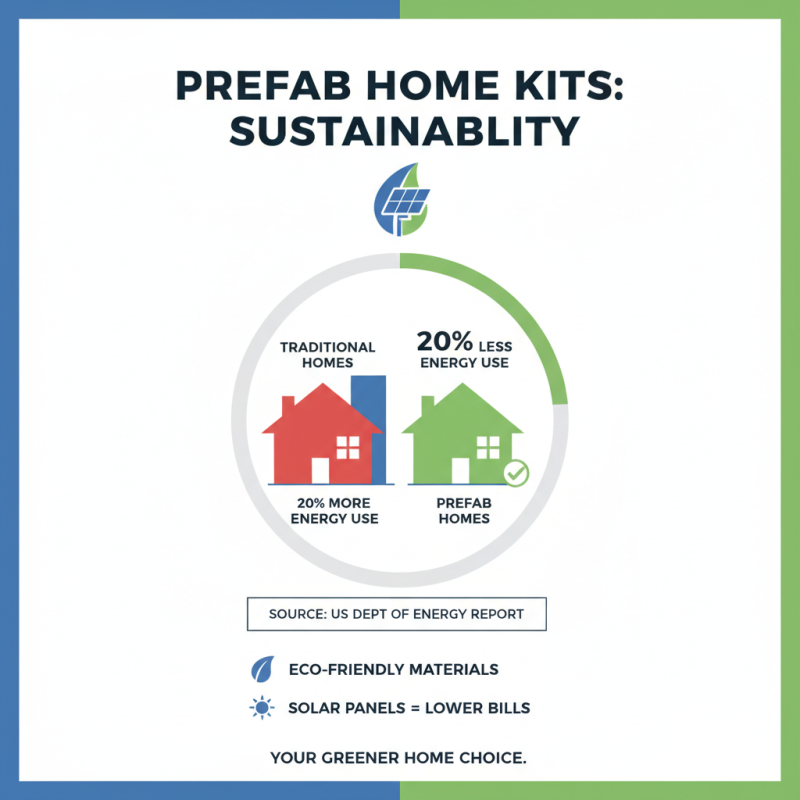
When considering prefab home kits, several factors should shape your decision. The first is sustainability. According to a report by the U.S. Department of Energy, prefab homes can use up to 20% less energy compared to traditional homes, making them a greener choice. Look for kits that include eco-friendly materials and systems, such as solar panels. These not only reduce environmental impact but can also lower utility bills in the long run.
Cost is another crucial aspect. While prefab homes often come at a lower price point, it's vital to assess the hidden expenses. Permits, land preparation, and transportation can add up quickly. A recent study highlights that nearly 30% of planning costs are often overlooked. When budgeting, include these factors to avoid surprises.
Tip: Research local zoning laws before purchasing. Areas have different regulations that may affect your plans. Call local offices for details.
Space optimization is important as well. Some kits may seem spacious, but more often than not, the layout can feel cramped. Inspect the floor plans carefully. Adaptable spaces can make a significant difference in comfort. Be willing to revise your expectations about what you truly need versus what looks appealing. This mindset can lead to better decisions in the long run.
Top Affordable Prefab Home Kits Available Today
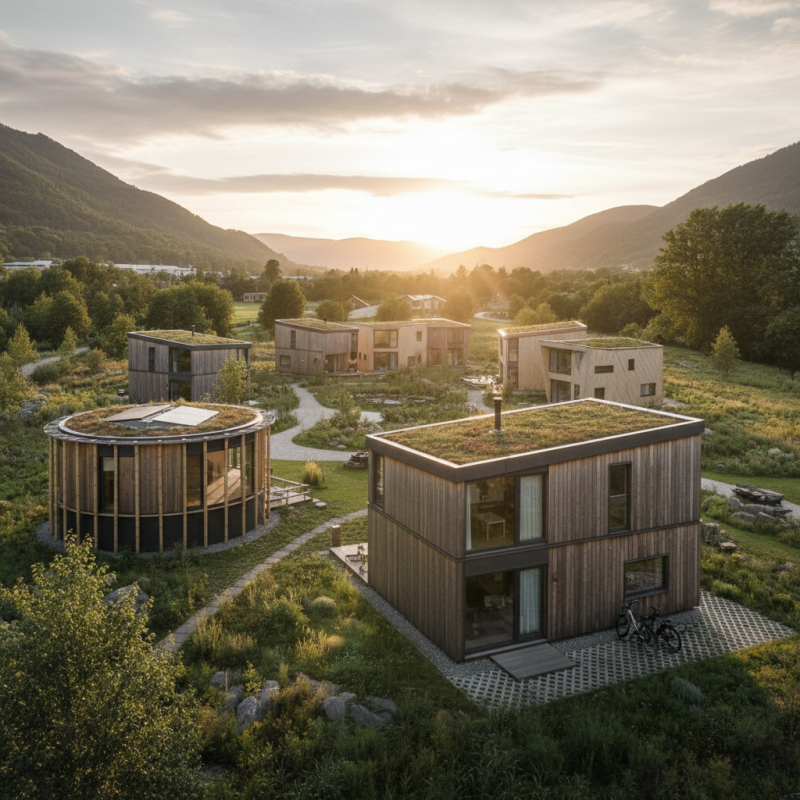
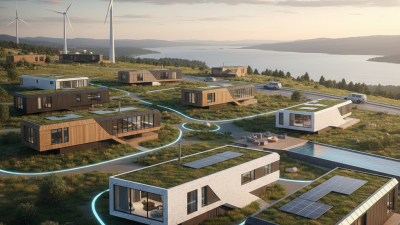
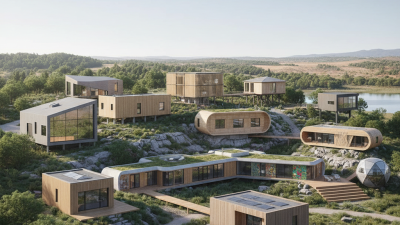
Looking for affordable prefab home kits? Many options can fit your budget and lifestyle. These kits often come with sustainable materials and energy-efficient designs. Imagine a compact home with large windows, allowing natural light to illuminate your living space. Sustainability becomes a choice rather than a trend.
Choosing the right prefab kit requires careful consideration. Some designs may prioritize aesthetics over functionality. Check the layout carefully. Ensure it meets your needs, especially for a growing family. You may want a spacious kitchen or a cozy reading nook. Not all kits provide the flexibility you might desire.
Budget is crucial, but don't overlook quality. Cheaper options may lack durability. Research and read reviews to avoid regrets later on. Some customers find themselves tweaking designs or investing more in upgrades. Each kit should align with your values and lifestyle. The right choice can lead to a truly fulfilling living experience.
Sustainable Materials Used in Prefab Home Construction
Prefab homes are gaining attention for their affordability and sustainability. The materials used in these homes play a significant role in their environmental impact. Builders often select sustainable resources to minimize waste and reduce carbon footprints.
Wood is a common choice for prefab homes. When sourced from responsibly managed forests, it ensures a lower impact on ecosystems. Bamboo is another eco-friendly material. It's fast-growing and can regenerate quickly. Recycled steel and aluminum are also popular. These materials require less energy to produce compared to their new counterparts.
Insulation is crucial for energy efficiency. Many manufacturers utilize recycled materials for insulation. This not only cuts down on waste but also enhances thermal performance. However, sourcing truly sustainable materials can be challenging. Not all suppliers provide transparency about their practices. It's essential for buyers to research and ask questions. Creating a sustainable home requires effort and diligence. It’s a journey worth exploring for a greener future.
Best Prefab Home Kits for Affordable and Sustainable Living
Home Kit Type
Size (sq ft)
Price Range
Materials Used
Energy Efficiency Rating
Compact Modular
400
$30,000 - $50,000
Recycled Steel, Bamboo
A+
Two-Story Prefab
800
$100,000 - $150,000
Sustainable Wood, Insulated Panels
A
Eco-Friendly Cabin
600
$50,000 - $80,000
Reclaimed Wood, Recycled Aluminum
A+
Modern Flat Pack
1,000
$70,000 - $120,000
FSC-Certified Wood, Eco-Friendly Insulation
A
Tiny House Kit
200
$20,000 - $30,000
Bamboo Plywood, Recycled Materials
B+
Comparing Customizable Options in Prefab Home Kits
Prefab home kits offer a pathway to affordable and sustainable living. Many companies provide customizable options that cater to diverse needs. You can choose from various layouts, sizes, and finishes. This flexibility allows homeowners to personalize their spaces. Some designs focus on energy efficiency, incorporating solar panels and superior insulation. However, choices can become overwhelming. Not every customizable aspect suits everyone's lifestyle or budget.
Consider the layout carefully. Open floor plans are popular, but they may not provide enough privacy. Smaller rooms can create intimacy but feel cramped. Think about how you use space daily. Location also matters. A beautiful design in an isolated area may lack community amenities. You might need to compromise on features to keep costs low.
Material choices add another layer of customization. Wood finishes can appear warm and inviting but may require more maintenance. Metal exteriors tend to resist weather better. Still, they can feel cold and uninviting. Be wary of trends that may not age well. Evaluate what is truly essential. Customization can be a double-edged sword; while it enhances individuality, it can complicate the decision-making process.
The Assembly Process: Steps to Construct Your Prefab Home
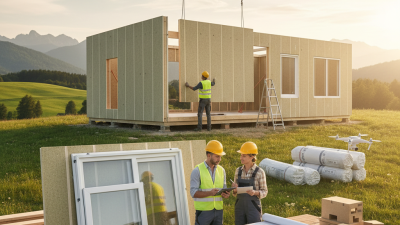
Building your own prefab home can be an exciting journey. The assembly process involves several steps that anyone can manage with the right guidance. First, site preparation is crucial. Look for a level area and clear any debris. It’s easy to overlook, but a solid foundation is key. After that, you proceed with the assembly of the prefab panels. This step often requires help from friends or neighbors. Don’t hesitate to ask for assistance; many hands make lighter work.
Next, consider the installation of utilities like plumbing and electrical systems. This stage can be tricky. Being mindful of local codes is essential. Mistakes can lead to costly changes later. Once the utilities are in, focus on insulation and interior walls. Choosing the right materials can enhance energy efficiency. Some may find it hard to balance cost and quality. Upgrading later can be more expensive and complicated.
Finally, finishing touches tie everything together. Paint and flooring choices can transform a space. However, perfection is not always attainable. Expect some imperfections as you prioritize comfort over aesthetics. This journey requires patience and flexibility. Reflect on the process and the lessons learned, as every step contributes to your dream of sustainable living.